Post Content
Post Contents
Follow Us

What Are the Signs You Need Hormone Replacement Therapy?

Middle-aged woman sitting thoughtfully at home beside text reading "What Are the Signs You Need Hormone Replacement Therapy?" with icons representing common symptoms including hot flashes, poor sleep, brain fog, mood swings, and low libido.
Post Contents

If you’ve been dealing with hot flashes, poor sleep, mood swings, brain fog, or unexplained weight gain, you may be wondering whether your hormones are to blame.

For many women, these symptoms begin during perimenopause and menopause as estrogen and progesterone levels naturally decline.

While some hormonal changes are a normal part of aging, symptoms that interfere with your daily life don’t have to be.

Hormone replacement therapy (HRT) may help relieve many of the symptoms associated with hormone imbalances and menopause, allowing you to feel more like yourself again.

But how do you know if you’re a candidate for hormone therapy?

What are the signs you need hormone replacement therapy?

Let’s take a closer look.


SEE IF HRT IS RIGHT FOR YOU


Quick Answer: What Are the Signs You Need Hormone Replacement Therapy?

The most common signs you may need hormone replacement therapy include:

Sign Possible Hormonal Cause
Hot flashes Declining estrogen levels
Night sweats Hormonal fluctuations
Sleep problems Changes in estrogen and progesterone
Mood swings Hormone imbalances affecting neurotransmitters
Brain fog Fluctuating hormone levels
Vaginal dryness Lower estrogen production
Low libido Reduced estrogen and testosterone
Fatigue Hormonal changes and poor sleep
Weight gain Slower metabolism and hormone shifts
Joint pain Reduced estrogen affecting inflammation
Hair thinning Hormonal changes affecting hair growth
Frequent UTIs Changes in vaginal and urinary tissues

If these symptoms are frequent, persistent, or affecting your quality of life, it may be time to discuss hormone replacement therapy with a healthcare provider.


Understanding Hormonal Changes During Perimenopause and Menopause

Before discussing the signs you need HRT, it helps to understand what’s happening inside your body.

Perimenopause is the transitional stage leading up to menopause.

It often begins in a woman’s 40s, although some women experience symptoms earlier.

During this time, estrogen and progesterone levels fluctuate unpredictably.

Eventually, menopause occurs when you’ve gone 12 consecutive months without a menstrual period.

At that point, hormone production continues to decline, which can lead to a wide range of symptoms.

Because estrogen affects nearly every system in the body, including the brain, heart, bones, muscles, skin, and reproductive organs, a hormonal imbalance can show up in many different ways.


Symptoms of Low Estrogen

Many women searching for signs they need hormone replacement therapy are actually experiencing symptoms of low estrogen.

Low estrogen levels may cause:

  • Hot flashes
  • Night sweats
  • Irregular periods
  • Brain fog
  • Mood swings
  • Anxiety
  • Vaginal dryness
  • Pain during intercourse
  • Low libido
  • Sleep disturbances
  • Fatigue
  • Joint pain
  • Hair thinning
  • Weight gain

While these symptoms can have other causes, declining estrogen is one of the most common reasons women seek hormone therapy during perimenopause and menopause.


12 Signs You May Need Hormone Replacement Therapy


Let’s look at some of the signs you need hormone replacement therapy?

1. Hot Flashes

Hot flashes are one of the most recognizable symptoms of menopause.

You may suddenly experience intense warmth in your face, neck, or chest, followed by sweating and chills.

Some women experience occasional hot flashes, while others have multiple episodes every day.

If hot flashes are disrupting your work, sleep, or daily activities, hormone replacement therapy may help provide relief.

2. Night Sweats

Night sweats are essentially hot flashes that occur during sleep.

Many women wake up drenched in sweat, needing to change clothes or bedding.

Over time, repeated sleep disruptions can contribute to fatigue, mood changes, and difficulty concentrating.

Studies show frequent night sweats are often one of the clearest signs that declining estrogen levels may be affecting your quality of life.

3. Difficulty Sleeping

Many women entering perimenopause discover that getting a good night’s sleep becomes increasingly difficult.

You may find yourself waking up multiple times during the night, struggling to fall asleep, waking earlier than usual, or feeling exhausted despite spending enough time in bed.

Sleep disturbances are often linked to hormonal fluctuations and can significantly affect overall health and well-being.

4. Mood Swings, Anxiety, or Irritability

Hormones influence neurotransmitters that help regulate mood, including serotonin and dopamine.

When hormone levels fluctuate, you may experience irritability, anxiety, increased emotional sensitivity, mood swings, or difficulty managing stress.

Many women report feeling emotionally different during perimenopause and menopause, even if they have never struggled with mood-related symptoms before.

5. Brain Fog and Memory Problems

Brain fog is one of the most common yet least discussed symptoms of hormonal changes.

Women often notice:

  • Difficulty concentrating
  • Forgetfulness
  • Mental fatigue
  • Reduced focus
  • Trouble multitasking

These symptoms can affect both personal and professional life and may become increasingly frustrating over time.

6. Vaginal Dryness and Pain During Intimacy

Estrogen helps maintain healthy vaginal tissues and natural lubrication.

As estrogen levels decline, some women experience vaginal dryness, burning, itching, irritation, or pain during intercourse.

These symptoms can affect both comfort and intimacy.

7. Low Libido

Changes in estrogen and testosterone levels can contribute to a decreased interest in sex.

Low libido may be accompanied by reduced sexual desire, difficulty becoming aroused, less satisfaction during intimacy, or changes in sexual responsiveness.

8. Persistent Fatigue

Hormonal changes can contribute to low energy, reduced motivation, daytime sleepiness, and slower recovery from physical activity.

When combined with poor sleep, hormone-related fatigue can significantly affect daily functioning.

9. Unexplained Weight Gain

Many women notice changes in their weight during perimenopause and menopause.

You may find that weight gain occurs despite maintaining your usual habits, fat accumulates around the abdomen, and losing weight becomes more difficult than it once was.

10. Joint Pain and Muscle Aches

Estrogen plays an important role in reducing inflammation and supporting joint health.

When levels decline, some women experience joint stiffness, aching muscles, increased soreness, and reduced mobility.

11. Hair Thinning and Changes in Skin Health

Hormonal fluctuations can affect collagen production, skin hydration, and hair growth.

You may notice thinning hair, increased shedding, dry skin, loss of skin elasticity, and more noticeable fine lines.

12. Frequent Urinary Tract Infections or Bladder Changes

Lower estrogen levels can affect the tissues of the urinary tract and pelvic floor.

Common symptoms include frequent UTIs, increased urinary urgency, mild urinary leakage, bladder irritation, and more frequent nighttime urination.


SEE HOW HRT CAN RELIEVE YOUR SYMPTOMS


How Do You Know If Your Symptoms Are Hormone Related?

Not every symptom is caused by hormonal changes.

However, your symptoms may be related to declining hormone levels if:

  • You’re in your 40s or 50s
  • Your menstrual cycles have become irregular
  • Several symptoms appeared around the same time
  • Symptoms fluctuate throughout the month
  • Lifestyle changes haven’t improved your symptoms
  • Symptoms began during perimenopause or menopause

A healthcare provider can review your symptoms, medical history, and overall health to determine whether hormones may be contributing to what you’re experiencing.


What Happens During a Hormone Evaluation?

Many women wonder what happens when they seek help for possible hormonal imbalances.

A hormone evaluation may include:

  • A review of your symptoms
  • Medical history assessment
  • Discussion of menstrual changes
  • Lifestyle and health review
  • Physical examination when appropriate
  • Laboratory testing when indicated

The goal is to determine whether hormonal changes are contributing to your symptoms and whether hormone replacement therapy may be an appropriate treatment option.


Signs You May Need Hormone Replacement Therapy in Your 40s

Many women assume hormone therapy is only for women who have already reached menopause.

In reality, symptoms often begin years earlier during perimenopause.

Women in their 40s commonly experience irregular periods, mood changes, sleep disturbances, brain fog, fatigue, and early hot flashes.


Signs You May Need Hormone Replacement Therapy in Your 50s

During your 50s, hormone levels typically continue to decline.

Symptoms may become more noticeable and include frequent hot flashes, night sweats, weight gain, vaginal dryness, joint discomfort, and reduced libido.


When Should You Consider Hormone Replacement Therapy?

A good question to ask yourself is not whether you have symptoms, but whether those symptoms are interfering with your life.

You may want to consider hormone therapy if:

  • You’re losing sleep regularly
  • Symptoms affect your work performance
  • Mood changes strain relationships
  • Low energy prevents you from doing activities you enjoy
  • Intimacy has become uncomfortable
  • You no longer feel like yourself


Who Is a Good Candidate for HRT?

Many healthy women experiencing moderate to severe menopause symptoms may be candidates for hormone replacement therapy.

Factors that may influence candidacy include:

  • Age
  • Medical history
  • Family history
  • Current symptoms
  • Menopause status
  • Personal health goals

Because every woman is different, treatment should always be individualized.


How Hormone Replacement Therapy May Help

When appropriate, HRT may help reduce or improve:

  • Hot flashes
  • Night sweats
  • Sleep problems
  • Mood changes
  • Anxiety
  • Brain fog
  • Low libido
  • Vaginal dryness
  • Fatigue
  • Joint discomfort

Many women report significant improvements in both physical symptoms and overall well-being after beginning treatment under medical supervision.


How Amari Health Can Help

At Amari Health, we understand that hormonal symptoms can affect every area of your life.

Whether you’re dealing with fatigue, weight gain, brain fog, low libido, poor sleep, hot flashes, or mood changes, our team takes a personalized approach to hormone replacement therapy.

We don’t believe in one-size-fits-all treatment.

Instead, we take the time to understand your symptoms, evaluate your health history, assess your hormone levels, and create an individualized treatment plan designed around your needs and goals.

Our goal is to help you restore balance, improve your quality of life, and feel your best during perimenopause, menopause, and beyond.


CONTACT US


Final Thoughts: What Are the Signs You Need Hormone Replacement Therapy

The signs you need hormone replacement therapy often extend far beyond hot flashes.

Symptoms such as poor sleep, fatigue, brain fog, low libido, mood changes, weight gain, joint pain, and vaginal dryness may all be linked to declining hormone levels.

While hormonal changes are a natural part of aging, symptoms that interfere with your daily life shouldn’t be ignored.

Understanding the connection between your symptoms and your hormones can help you make informed decisions about your health and determine whether hormone replacement therapy may be right for you.

If you’re experiencing symptoms of hormonal imbalance and want answers, speaking with a qualified healthcare provider can help you explore your options and create a plan tailored to your needs.


SCHEDULE A CONSULTATION


FAQs: What Are the Signs You Need Hormone Replacement Therapy

How do I know if I really need HRT?

You may want to consider HRT if symptoms such as hot flashes, night sweats, poor sleep, brain fog, mood changes, low libido, or vaginal dryness are affecting your quality of life. A healthcare provider can evaluate your symptoms, medical history, and hormone levels to determine whether hormone replacement therapy may be appropriate for you.

What are the 5 common signs of hormonal imbalance?

Five of the most common signs of hormonal imbalance in women include fatigue, mood swings, weight gain, irregular menstrual cycles, and trouble sleeping. Other symptoms may include hot flashes, low libido, brain fog, and changes in skin or hair health.

What are the symptoms of low progesterone and estrogen?

Low progesterone and estrogen can cause symptoms such as irregular periods, hot flashes, night sweats, mood swings, anxiety, sleep problems, fatigue, low libido, vaginal dryness, and difficulty concentrating. These symptoms are common during the transition into menopause.

How do you feel if your hormones are off?

Many women describe feeling tired, irritable, emotionally sensitive, anxious, or mentally foggy when their hormones are out of balance. You may also experience sleep disturbances, weight gain, low energy, reduced motivation, or changes in sexual health.

How long does it take to fix hormone imbalance?

The timeline varies depending on the underlying cause and treatment approach. Some women notice improvements in symptoms within a few weeks of starting treatment, while others may require several months to achieve optimal hormone balance. Consistent follow-up and individualized care are important for long-term success.

How long after starting HRT do you feel a difference?

The timeline varies from person to person, but many women begin noticing improvements in symptoms such as hot flashes, night sweats, and sleep quality within a few weeks of starting HRT. Other benefits, including improvements in mood, energy levels, libido, and overall well-being, may take several weeks to a few months to become noticeable. Your response will depend on factors such as your hormone levels, treatment plan, and overall health.

How do I know if I need a higher dose of HRT?

If you’ve been taking HRT consistently and are still experiencing symptoms such as hot flashes, night sweats, mood swings, fatigue, brain fog, or vaginal dryness, your current dose may not be fully addressing your needs. However, persistent symptoms don’t automatically mean you need a higher dose. A healthcare provider can evaluate your symptoms, review your treatment plan, and determine whether adjustments are necessary to help you achieve better symptom relief while maintaining safety.

Not Sure Where to Start?

Lorem ipsum dolor sit amet consectetur. Et ultrices nunc donec placerat. In velit mattis ac arcu vitae tortor ullamcorper.


keep learning

Lorem ipsum dolor sit amet consectetur. Et ultrices nunc donec placerat.

Functional medicine doctor reviewing patient notes with healthy foods, supplements, and lab testing equipment, with text overlay “What Does a Functional Medicine Doctor Do?”

A functional medicine doctor identifies and treats the root causes of health concerns by evaluating how lifestyle, nutrition, hormones, genetics, environment, and daily habits influence overall health.

Instead of only managing symptoms, functional medicine focuses on improving how body systems function together to support long-term wellness.

Functional medicine doctors aim to understand why symptoms occur, not just what diagnosis matches them.

This approach often looks at how digestion, hormone balance, immune function, metabolism, and stress responses interact.

Many people seek functional medicine when they experience ongoing symptoms such as fatigue, hormone imbalance, digestive issues, inflammation, or other health changes that have not fully improved with conventional treatment alone.


SEE HOW FUNCTIONAL MEDICINE CAN HELP YOU


What Is Functional Medicine?


Functional medicine is a patient-centered approach that focuses on identifying underlying imbalances contributing to symptoms.

It considers the whole person rather than focusing on a single symptom or diagnosis.

Instead of treating symptoms in isolation, functional medicine evaluates how different systems in the body influence each other.

For example:

A conventional approach may treat headaches with medication.

A functional medicine approach may explore possible contributing factors such as:

  • hormone fluctuations
  • nutrient deficiencies
  • chronic stress
  • inflammation
  • gut health imbalance
  • poor sleep patterns
  • blood sugar changes

Functional medicine is often referred to as root-cause medicine because it seeks to identify deeper contributors to health concerns.


How Does Functional Medicine Work?


Functional medicine works by analyzing patterns in the body rather than focusing on a single symptom.

Practitioners evaluate how key systems interact, including:

  • digestive system
  • hormone system
  • immune system
  • nervous system
  • metabolic system

These systems are interconnected.

When one area becomes imbalanced, other systems may also be affected.

For example, chronic stress may influence hormone balance, sleep quality, digestion, and inflammation levels.

By identifying these connections, functional medicine doctors create personalized care plans designed to support overall health improvement.


What Does a Functional Medicine Doctor Do? (Step-by-Step)


Although each practitioner may have a slightly different approach, most functional medicine doctors follow a structured process.


1. Review Your Complete Health History


Functional medicine appointments often involve a more detailed review of your health history than a standard medical visit.

Discussion topics may include:

  • previous medical conditions
  • family health history
  • diet patterns
  • sleep quality
  • stress levels
  • lifestyle habits
  • environmental exposures
  • medications and supplements
  • timeline of symptoms

Understanding patterns over time can help identify possible contributing factors.


2. Identify Possible Root Causes


Functional medicine focuses on identifying underlying factors that may influence symptoms.

Common contributors may include:

  • chronic inflammation
  • hormone imbalance
  • gut microbiome imbalance
  • nutrient deficiencies
  • blood sugar dysregulation
  • immune system dysfunction
  • chronic stress response
  • environmental exposures

Addressing these factors may support improvements across multiple symptoms.


3. Use Specialty or Advanced Testing


Functional medicine doctors may recommend testing to better understand how the body is functioning.

Testing may include:

  • hormone levels
  • thyroid markers
  • vitamin and mineral levels
  • gut health markers
  • inflammation markers
  • metabolic markers
  • food sensitivity testing

These results help guide personalized recommendations.


4. Create a Personalized Treatment Plan


Treatment plans are tailored to each individual’s symptoms, goals, and health history.

Recommendations may include:

  • nutrition adjustments
  • lifestyle changes
  • targeted supplementation
  • stress management strategies
  • sleep optimization
  • physical activity guidance

Plans are typically designed to be practical and sustainable.


5. Monitor Progress Over Time


Functional medicine focuses on gradual, long-term health improvements.

Doctors often monitor progress and adjust recommendations based on how symptoms change over time.

This ongoing process allows care plans to evolve as health improves.


Examples of Functional Medicine in Practice


Functional medicine often looks at how multiple factors may influence symptoms.

  • Example 1: A person experiencing fatigue may have contributing factors such as nutrient deficiencies, poor sleep quality, or blood sugar imbalance.
  • Example 2: Digestive symptoms such as bloating may be linked to gut microbiome imbalance, food sensitivities, or stress response.
  • Example 3: Hormone symptoms such as mood changes or irregular cycles may be influenced by stress levels, inflammation, or metabolic health.

These examples illustrate how functional medicine focuses on identifying connections between symptoms and underlying imbalances.


What Conditions Do Functional Medicine Doctors Treat?


Functional medicine is commonly used to support chronic symptoms, ongoing health concerns, and preventative care.


Hormone Imbalance


  • menopause symptoms
  • low testosterone
  • thyroid imbalance
  • adrenal imbalance
  • irregular menstrual cycles
  • PCOS symptoms


Digestive Health Concerns


  • bloating
  • constipation
  • diarrhea
  • IBS symptoms
  • food sensitivities
  • gut microbiome imbalance
  • acid reflux


Chronic Fatigue and Brain Fog


  • persistent tiredness
  • low energy
  • poor stress recovery
  • mental fog


Autoimmune Conditions


  • Hashimoto’s thyroiditis
  • rheumatoid arthritis
  • inflammatory immune responses


Metabolic Health Concerns


  • weight changes
  • insulin resistance
  • blood sugar imbalance
  • metabolic syndrome


Inflammation-Related Symptoms


  • joint discomfort
  • headaches
  • skin concerns
  • immune imbalance
  • Migraines


Sleep and Stress-Related Concerns


  • difficulty sleeping
  • chronic stress response
  • nervous system imbalance

Functional medicine may also be used for general wellness and prevention.


How Functional Medicine Is Different From Conventional Medicine


Functional medicine and conventional medicine serve different roles in healthcare.

Functional medicine often complements traditional care by providing a broader view of long-term health patterns.

Conventional Medicine Functional Medicine
Focuses on diagnosis Focuses on root causes
Often symptom-based Systems-based approach
Shorter appointments Longer, more detailed visits
Standardized treatment protocols Personalized care plans
Medication-focused Lifestyle-focused support
Reactive care Preventative approach

Both approaches can be valuable depending on individual health needs.


What Happens During a Functional Medicine Appointment?


The first appointment is often more in-depth than a standard visit.

Topics discussed may include:

  • health history
  • diet habits
  • stress levels
  • sleep patterns
  • lifestyle habits
  • activity level
  • symptom timeline
  • personal health goals

Some practitioners ask patients to complete questionnaires beforehand.

Follow-up visits typically review progress and adjust recommendations.


Common Treatments Used in Functional Medicine


Functional medicine plans often combine multiple strategies to support health improvement.


Nutrition Support


Nutrition plays an important role in overall health.

Recommendations may focus on:

  • whole foods
  • balanced blood sugar
  • reducing highly processed foods
  • supporting gut health
  • identifying food sensitivities


Lifestyle Adjustments


Daily habits can influence inflammation, hormones, and metabolism.

Recommendations may include:

  • improving sleep routines
  • stress management techniques
  • consistent physical activity
  • reducing environmental exposures


Targeted Supplements


Supplements may be recommended to support nutrient balance or specific body systems.

Examples include:

  • vitamins
  • minerals
  • omega-3 fatty acids
  • probiotics
  • digestive support nutrients

Recommendations are individualized.


Stress and Nervous System Support


Chronic stress can affect digestion, hormones, sleep, and immune function.

Functional medicine often includes strategies to support nervous system balance.

Examples include:

  • mindfulness practices
  • breathing techniques
  • relaxation strategies
  • recovery support


Benefits of Functional Medicine


Potential benefits may include:

  • personalized care
  • deeper understanding of health patterns
  • focus on long-term improvement
  • preventative health support
  • whole-body perspective
  • collaborative care approach

Many individuals appreciate having more time to discuss their symptoms and goals.


Functional Medicine vs Integrative Medicine vs Holistic Medicine


These terms are sometimes used interchangeably, but they have slightly different meanings.


Functional Medicine


Focuses on identifying root causes of symptoms by evaluating body systems and health patterns.


Integrative Medicine


Combines conventional treatments with complementary approaches.


Holistic Medicine


Considers physical, emotional, and lifestyle factors when evaluating health.

All approaches emphasize individualized care.


Who Should See a Functional Medicine Doctor?


Functional medicine may be helpful for individuals who:

  • experience ongoing symptoms without clear answers
  • want a personalized health plan
  • prefer a preventative approach
  • want to better understand contributing factors to symptoms
  • are interested in lifestyle-based care
  • want support for hormone balance or digestive health
  • feel their symptoms may be interconnected

Some individuals seek functional medicine for a more comprehensive understanding of their health.


CONTACT US


Is Functional Medicine Worth It?


Whether functional medicine is worthwhile depends on individual preferences and health goals.

Some individuals value this approach because it:

  • explores possible root causes of symptoms
  • emphasizes long-term health improvement
  • supports prevention strategies
  • focuses on lifestyle factors
  • encourages collaboration between doctor and patient

Functional medicine may be used alongside conventional healthcare depending on individual needs.


How Functional Medicine Supports Long-Term Health


Functional medicine emphasizes improving how body systems function together over time.

By addressing lifestyle habits, nutrition, stress response, and environmental influences, this approach aims to support long-term wellness.

Small, sustainable changes often play an important role in overall health outcomes.

Understanding patterns in the body can help guide more personalized health decisions.


Conclusion: What Does a Functional Medicine Doctor Do


Functional medicine doctors focus on understanding the underlying factors that influence health rather than only managing symptoms.

By evaluating lifestyle habits, nutrition, environment, genetics, and body systems, functional medicine aims to create personalized care plans designed to support long-term wellness.

For individuals looking for a more comprehensive and proactive approach to health, functional medicine can provide additional insight into how different aspects of health are connected.

Identifying potential root causes of symptoms can often be an important step toward improving overall wellbeing.


SCHEDULE A CONSULTATION


FAQ: What Does a Functional Medicine Doctor Do


Why would someone see a functional medicine doctor?


Someone may see a functional medicine doctor when they want a more personalized approach to their health or when symptoms continue despite standard treatment. Functional medicine focuses on identifying underlying factors that may contribute to symptoms such as hormone imbalance, digestive issues, fatigue, inflammation, or metabolic concerns. Many individuals choose this approach to better understand how lifestyle, nutrition, stress, and environment may influence their health.


What are the pros and cons of functional medicine doctors?


One potential benefit of functional medicine is its personalized approach, which often includes longer appointments and a focus on lifestyle factors that influence health. Patients may appreciate the emphasis on prevention and understanding root causes. Possible drawbacks may include limited insurance coverage for certain services, variability in practitioner training, and the need for ongoing lifestyle changes that require commitment. Individual experiences can vary depending on the provider and health goals.


Can functional medicine diagnose?


Functional medicine practitioners can assess symptoms, review medical history, and use laboratory testing to evaluate potential imbalances in the body. Licensed healthcare providers practicing functional medicine may diagnose certain conditions within their scope of practice. Functional medicine often works alongside conventional healthcare when diagnosis or treatment requires additional medical evaluation.


Which is better, integrative or functional medicine?


Integrative medicine and functional medicine both consider the whole person when evaluating health. Integrative medicine combines conventional treatments with complementary therapies, while functional medicine focuses specifically on identifying root causes of symptoms by analyzing body systems and lifestyle factors. The best approach depends on individual preferences, health goals, and the type of care being sought.


What is the purpose of a functional medicine doctor?


The purpose of a functional medicine doctor is to identify factors that may contribute to symptoms and develop personalized care plans that support overall health. By evaluating nutrition, lifestyle habits, stress levels, environment, and body system interactions, functional medicine aims to improve long-term wellness and help individuals better understand their health patterns.

Functional medicine weight loss concept featuring healthy foods, supplements, lab testing tools, measuring tape, and medical symbols representing a root cause approach to sustainable long-term results.

Many people struggling with weight loss feel like they are doing everything right but still not seeing progress.

You may be eating well, exercising consistently, and trying different diets, yet the results don’t last.

Functional medicine weight loss takes a different approach.

Instead of focusing only on calories or short-term dieting strategies, it looks deeper to identify why weight gain or weight loss resistance is happening in the first place.

Functional medicine views weight gain as a symptom of underlying imbalances in the body.

By identifying and addressing root causes such as hormone imbalance, inflammation, gut health issues, insulin resistance, nutrient deficiencies, and metabolic dysfunction, this approach supports sustainable weight loss and overall health improvement.

Rather than forcing the body to lose weight, functional medicine works to help the body function more efficiently so weight loss can happen naturally.


SEE HOW FUNCTIONAL MEDICINE CAN HELP YOU


What Is Functional Medicine Weight Loss?


Functional medicine weight loss is a personalized, whole-body approach that focuses on improving metabolic health.

Instead of using a one-size-fits-all diet plan, functional medicine evaluates the biological, lifestyle, and environmental factors that influence weight.

This approach recognizes that weight gain is often influenced by multiple interconnected factors, including:

  • hormone imbalances
  • insulin resistance
  • thyroid dysfunction
  • gut microbiome imbalance
  • chronic inflammation
  • stress and cortisol dysregulation
  • poor sleep quality
  • nutrient deficiencies
  • genetics
  • lifestyle habits

Functional medicine practitioners use detailed health histories, advanced lab testing, and individualized treatment plans to address these contributors.

The goal is not only weight loss, but also improved energy, stable blood sugar, balanced hormones, improved digestion, and long-term metabolic health.


Why Traditional Weight Loss Methods Often Fall Short


Many traditional weight loss programs focus primarily on calorie restriction or increased exercise.

While these approaches may lead to short-term results, they often do not address the biological factors that influence metabolism.

Common reasons traditional dieting approaches may not lead to lasting results include:


Metabolic adaptation


When calorie intake is significantly reduced, the body may respond by slowing metabolic rate to conserve energy.

This adaptation can make continued weight loss more difficult over time.


Hormonal disruption


Hormones regulate appetite, fat storage, metabolism, and energy levels.

When hormones are not balanced, the body may resist losing weight.


Blood sugar instability


Frequent spikes and drops in blood sugar may increase cravings and hunger, making consistency more difficult.


Chronic inflammation


Inflammation can interfere with insulin signaling and metabolic efficiency.


Elevated cortisol levels


Chronic stress can increase cortisol, which may contribute to abdominal fat accumulation and increased appetite.


Gut health imbalances


The gut microbiome influences digestion, immune health, inflammation levels, and metabolism.

Functional medicine weight loss aims to address these underlying contributors so the body is better able to regulate weight naturally.


How Functional Medicine Identifies Root Causes of Weight Gain


Functional medicine looks at the body as an interconnected system.

Identifying root causes allows for more targeted and personalized treatment strategies.


Hormone Imbalance and Weight Gain


Hormones play a significant role in metabolism, fat storage, and appetite regulation.

Hormones commonly evaluated include:

  • thyroid hormones that regulate metabolic rate
  • insulin, which influences blood sugar control and fat storage
  • cortisol, the primary stress hormone
  • estrogen and progesterone, which influence fat distribution
  • testosterone, which affects muscle mass and metabolic function
  • leptin and ghrelin, which regulate hunger and fullness signals

Even subtle hormone imbalances may affect weight regulation.


Insulin Resistance and Blood Sugar Dysregulation


Insulin resistance is one of the most common underlying contributors to weight gain and difficulty losing weight.

When insulin levels remain elevated, the body is more likely to store fat rather than use fat for energy.

Common signs of insulin resistance include:

  • difficulty losing weight
  • increased abdominal fat
  • sugar cravings
  • fatigue after meals
  • increased hunger shortly after eating
  • elevated fasting glucose levels

Improving insulin sensitivity may support metabolic flexibility and more efficient fat metabolism.


Gut Health and the Microbiome


The gut microbiome plays an important role in digestion, inflammation balance, immune function, and metabolic activity.

Gut health imbalances that may affect weight include:

  • microbial imbalance
  • digestive discomfort
  • increased intestinal permeability
  • poor nutrient absorption
  • food sensitivities
  • chronic bloating

Improving gut health may support improved metabolic function and reduced inflammation.


Chronic Inflammation and Metabolic Function


Inflammation can interfere with hormone signaling and insulin sensitivity.

Common contributors to chronic inflammation include:

  • highly processed foods
  • food sensitivities
  • environmental exposures
  • chronic stress
  • poor gut health
  • lack of restorative sleep

Reducing inflammation may help improve metabolic efficiency and energy regulation.


Stress, Sleep, and Cortisol Balance


Sleep and stress management are often overlooked factors in weight regulation.

Elevated cortisol levels may:

  • increase fat storage
  • increase appetite
  • disrupt blood sugar balance
  • reduce metabolic efficiency
  • interfere with hormone balance

Improving sleep quality and stress resilience supports overall metabolic health.


Functional Medicine Testing for Weight Loss


Functional medicine may use advanced testing to better understand the biological factors affecting metabolism.

Testing may include:

  • comprehensive metabolic panels
  • thyroid function testing beyond standard screening markers
  • fasting insulin levels
  • hemoglobin A1C
  • inflammatory markers
  • cortisol rhythm testing
  • sex hormone panels
  • micronutrient testing
  • gut microbiome testing
  • metabolic markers related to insulin sensitivity

These insights help guide personalized treatment strategies.


What a Functional Medicine Weight Loss Plan May Include


Functional medicine weight loss programs are individualized based on each person’s health history, symptoms, lifestyle, and lab findings.


Personalized Nutrition Strategy


Nutrition plans are designed to support stable blood sugar, reduce inflammation, and support metabolic health.

Plans often focus on:

  • nutrient-dense whole foods
  • adequate protein intake
  • healthy fats that support hormone production
  • fiber-rich carbohydrates
  • blood sugar stability
  • identifying potential food sensitivities
  • reducing ultra-processed foods

The goal is to create sustainable dietary habits that support long-term health.


Lifestyle Optimization


Daily habits play an important role in metabolic health.

Lifestyle strategies may include:

  • improving sleep consistency and quality
  • supporting stress resilience
  • optimizing movement and physical activity
  • improving recovery and energy balance
  • creating sustainable routines

Small lifestyle improvements can support significant metabolic changes over time.


Gut Health Support


Supporting gut health may include:

  • dietary adjustments
  • microbiome support strategies
  • digestive support protocols
  • reducing gut inflammation
  • improving nutrient absorption

Gut health improvements may influence metabolic function and overall well-being.


Hormone Optimization


When clinically appropriate, addressing hormone imbalances may support metabolic health.

Balanced hormones may help support:

  • energy levels
  • muscle maintenance
  • fat metabolism
  • appetite regulation
  • metabolic efficiency


Targeted Supplementation


Supplement strategies are typically based on individual lab findings and health needs.

Targeted supplementation may support:

  • metabolic function
  • insulin sensitivity
  • inflammation balance
  • micronutrient status
  • digestive health


Benefits of Functional Medicine for Weight Loss


Functional medicine weight loss focuses on improving health in a sustainable and comprehensive way.

Potential benefits include:

  • sustainable fat loss
  • improved metabolic efficiency
  • increased energy levels
  • improved blood sugar regulation
  • reduced inflammation
  • improved digestion
  • improved hormone balance
  • reduced cravings
  • improved mental clarity
  • improved long-term weight maintenance
  • improved metabolic flexibility

By addressing underlying imbalances, the body may respond more effectively to lifestyle changes.


Who Is a Good Candidate for Functional Medicine Weight Loss?


Functional medicine weight loss may be beneficial for individuals who:

  • struggle to lose weight despite consistent diet and exercise
  • regain weight after dieting
  • experience persistent fatigue
  • suspect hormone imbalance
  • have thyroid dysfunction
  • have insulin resistance
  • experience menopause-related weight changes
  • have PCOS
  • experience chronic inflammation
  • have digestive symptoms
  • want a personalized weight loss strategy
  • want sustainable results rather than short-term weight loss


Functional Medicine vs Traditional Weight Loss Approaches


Traditional weight loss approaches often focus primarily on calorie restriction and generalized diet plans.

Functional medicine takes a more comprehensive approach that considers:

  • metabolic health
  • hormone balance
  • blood sugar regulation
  • gut microbiome health
  • inflammation levels
  • nutrient status
  • lifestyle habits
  • stress physiology
  • sleep quality

By addressing these interconnected factors, functional medicine aims to create a foundation for long-term weight management.


What the Functional Medicine Weight Loss Process May Look Like


While every plan is personalized, many individuals follow a structured process:

  • Initial health assessment: A detailed review of symptoms, health history, lifestyle habits, and goals helps identify potential contributing factors.
  • Advanced lab testing: Testing helps identify metabolic, hormonal, or inflammatory imbalances that may influence weight.
  • Personalized care plan: A customized plan may include nutrition strategies, lifestyle adjustments, gut health support, metabolic support, and other targeted therapies.
  • Ongoing adjustments: Care plans are adjusted over time based on progress and individual response.
  • Long-term metabolic support: The focus remains on maintaining results and supporting long-term health.


How Long Does Functional Medicine Weight Loss Take?


Weight loss timelines vary depending on underlying health factors and metabolic function.

Some individuals may notice improvements in:

  • energy levels
  • appetite regulation
  • digestion
  • cravings
  • mental clarity

within the first several weeks.

Because functional medicine focuses on improving metabolic function, progress is typically gradual and sustainable rather than rapid and temporary.

Long-term success often involves improving metabolic flexibility and supporting consistent lifestyle habits.


Why a Personalized Approach Supports Long-Term Success


Each individual has a unique metabolic profile influenced by genetics, lifestyle, medical history, and environmental factors.

Personalized care allows treatment plans to be tailored to:

  • individual symptoms
  • lab findings
  • lifestyle habits
  • health goals
  • metabolic needs

This individualized approach may support long-term adherence and improved health outcomes.


CONTACT US


Functional Medicine Weight Loss at Amari Health


Amari Health provides a comprehensive approach to weight loss that focuses on identifying and addressing underlying factors that influence metabolism.

Care plans are designed to support:

  • metabolic balance
  • hormone health
  • digestive health
  • inflammation reduction
  • blood sugar stability
  • sustainable lifestyle habits

By addressing root causes of weight gain, functional medicine provides a pathway toward long-term wellness and metabolic health.

The goal is to help patients improve overall health while working toward a healthy and maintainable weight.


SCHEDULE A CONSULTATION


FAQs: Functional Medicine Weight Loss


Does functional medicine help with weight loss?


Functional medicine may support weight loss by identifying underlying contributors such as hormone imbalance, inflammation, gut health dysfunction, and blood sugar dysregulation. Addressing these factors may improve metabolic function and support sustainable results.


What is a functional medicine approach to obesity?


A functional medicine approach to obesity focuses on identifying biological and lifestyle factors that contribute to weight gain. Treatment plans often include personalized nutrition strategies, metabolic support, lifestyle optimization, and hormone balance support.


Can functional medicine help with hormonal weight gain?


Hormonal imbalances can influence metabolism, appetite, and fat storage. Functional medicine evaluates hormone function and creates individualized plans to support balance and metabolic health.


Can functional medicine help with insulin resistance?


Functional medicine often addresses insulin resistance through personalized nutrition, lifestyle strategies, and metabolic support approaches designed to improve insulin sensitivity.


How is functional medicine different from dieting?


Traditional dieting often focuses only on calorie intake. Functional medicine focuses on identifying underlying factors that influence weight gain, such as hormone imbalance, inflammation, gut health issues, and metabolic dysfunction.


Can functional medicine help with menopause weight gain?


Hormonal changes during menopause may influence metabolism and fat distribution. Functional medicine may help identify contributing factors and create personalized strategies to support metabolic health.


Is functional medicine weight loss sustainable?


Functional medicine focuses on improving metabolic health and supporting long-term lifestyle changes. By addressing root causes of weight gain, this approach may support sustainable weight management over time.

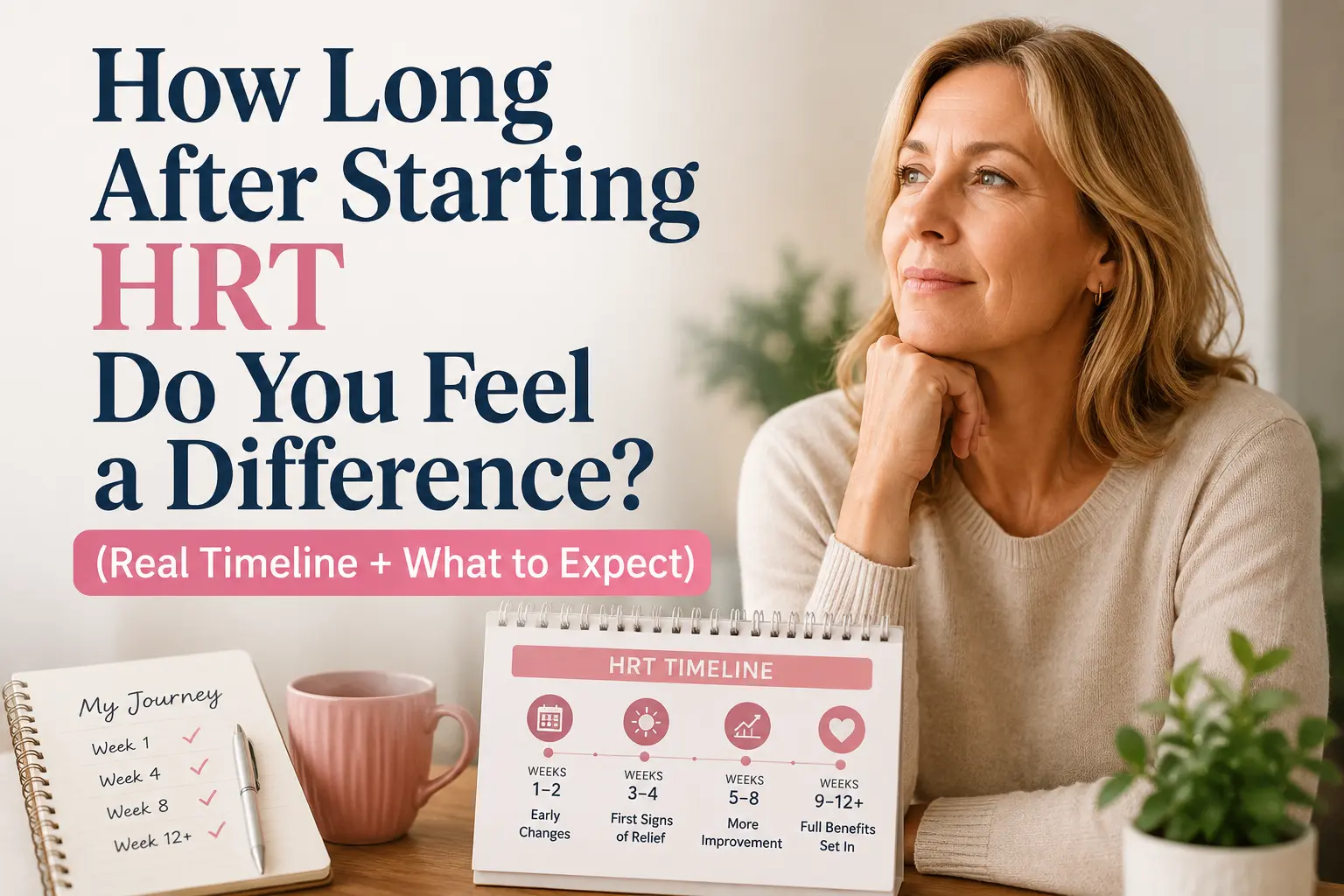
Horizontal featured image of a calm, confident middle-aged woman in soft natural light with a clean background, overlaid text reading “How Long After Starting HRT Do You Feel a Difference? (Real Timeline + What to Expect)”.

Starting hormone replacement therapy (HRT) is a big step and one of the first questions most people have is:

“When will I actually feel better?”

Here’s the honest, straightforward answer:

Most people notice some changes within 2–4 weeks, but it usually takes 8–12 weeks to feel the full benefits.

That said, HRT doesn’t flip a switch overnight.

Some symptoms improve quickly, others take longer, and your experience depends on your body, your hormone levels, and your treatment plan.

Let’s break it down so you know exactly what to expect.


SEE HOW HRT CAN HELP YOU!


How Long Does HRT Take to Work?


HRT works by gradually restoring hormone levels, not instantly correcting them.

A realistic timeline looks like this:

  • Early changes: 2–4 weeks
  • Noticeable improvement: 4–8 weeks
  • Full results: 8–12 weeks (sometimes longer)

If you don’t feel much in the first couple of weeks, that’s normal. 

Your body is still adjusting.


HRT Timeline: Week-by-Week


Let’s take a look at a typical HRT timeline across the weeks after starting:


Weeks 1–2: Subtle Early Changes


This phase is often quiet.

You might notice:

  • Slightly better sleep
  • A small improvement in mood
  • Less intense hot flashes (for some)

Or you may not notice anything yet, and that’s completely normal.


Weeks 3–4: First Signs It’s Working


This is when many people start to feel something shifting.

Common changes:

  • Hot flashes and night sweats begin to decrease
  • Sleep becomes more consistent
  • Mood feels a bit more stable

This is often the point where people think, “Okay, this might be working.”


Weeks 5–8: More Consistent Improvement


Changes become easier to notice and more reliable.

You may experience:

  • Fewer temperature swings
  • More steady energy
  • Improved focus and mental clarity
  • Less anxiety or irritability


Weeks 9–12: Real, Noticeable Difference


This is where HRT starts to feel meaningful in everyday life.

You may notice:

  • Stable mood throughout the day
  • Deeper, more restful sleep
  • Increased libido
  • Reduced joint discomfort


3+ Months: Long-Term Benefits Build


Some benefits take longer, but they continue to improve over time.

These include:

  • Ongoing relief from joint pain
  • Skin and hair changes
  • Support for bone health and metabolism


How Long Each Symptom Takes to Improve


Not all symptoms respond at the same pace.

Here’s what most people experience:

  • Hot flashes & night sweats: 2–4 weeks
  • Sleep issues: 2–6 weeks
  • Mood & anxiety: 4–8 weeks
  • Brain fog & focus: 4–8 weeks
  • Libido: 6–12+ weeks
  • Joint pain: 8–12 weeks

If one symptom improves before another, that’s completely normal.

HRT works in stages.


Why Your Timeline May Be Faster or Slower


No two people respond to HRT the same way.

Here’s why your experience may differ:


Your Starting Hormone Levels


If your hormone levels are very low, it can take longer to rebuild and feel the effects.


Type of HRT


Different forms absorb differently:

  • Patches and creams provide steady hormone levels
  • Pills can take longer to stabilize
  • Pellets release hormones gradually over time


Dosage


If your dose is too low, you may not feel much at first.

Adjustments are common and expected.


Your Body’s Absorption


Everyone metabolizes hormones differently, which affects how quickly you feel results.


Lifestyle Factors


Sleep quality, stress levels, diet, and activity all play a role in how your body responds.


Signs Your HRT Is Working


Early improvements are often subtle, but they matter.

Look for:

  • You’re sleeping better than before
  • Hot flashes are less frequent or intense
  • Your mood feels more stable
  • You have more consistent energy

These small changes usually come before bigger, more noticeable results.


Signs Your HRT May Need Adjustment


It’s very common to adjust HRT in the beginning.

You may need a change if:

  • You feel no improvement after 8–12 weeks
  • Your symptoms are getting worse
  • Side effects don’t go away
  • You still feel off or unbalanced

HRT is not one-size-fits-all.

Fine-tuning is part of the process.


What’s Normal (and What’s Not) in the Beginning


Let’s take a look at what is typically common and uncommon when starting


What’s Normal


  • Gradual improvement, not instant results
  • Mild side effects early on (like slight bloating or breast tenderness)
  • Some symptoms improving faster than others


What’s Not Normal


  • No improvement at all after a few months
  • Symptoms becoming significantly worse
  • Side effects that don’t settle over time

If something doesn’t feel right, it’s worth checking in.


What to Expect in the First 3 Months


The first 90 days are all about finding your balance.

During this time:

This period is less about perfection and more about progress.


When to Talk to a Provider


You don’t need to just wait it out if something feels off.

Reach out if:

  • You’re not seeing progress after a couple of months
  • Your symptoms are still affecting your daily life
  • You’re unsure if your experience is normal

Getting the right adjustments can make a big difference.


How Amari Health Helps You Get Better Results


One of the biggest reasons people don’t see results with HRT is lack of personalization.

At Amari Health, the approach focuses on:

  • Understanding your specific hormone levels
  • Matching treatment to your symptoms
  • Adjusting your plan based on how you actually feel

This kind of tailored care helps you move from guessing to real progress.


CONTACT US


The Bottom Line: How Long After Starting HRT Do You Feel a Difference


Most people feel some improvement within 2–4 weeks, with more noticeable results building over 8–12 weeks.

If it feels slow at first, that’s normal.

Hormone therapy works gradually, but with the right approach, those small changes turn into real, lasting improvements.

The key is patience, consistency, and making adjustments when needed.


SCHEDULE A CONSULTATION


FAQ: How Long After Starting HRT Do You Feel a Difference


How soon after starting HRT will I lose weight?


Weight loss isn’t usually immediate with HRT. Some people notice small changes in the first few weeks, especially with reduced bloating or better energy, but studies show meaningful changes in body composition often take a few months. HRT can support metabolism and make it easier to lose weight, but results depend on diet, activity, and overall health.


What does the first week of HRT feel like?


The first week is often subtle. Some people feel slightly calmer or sleep a bit better, while others notice no difference at all. Mild side effects like bloating or breast tenderness can happen early on, but many people don’t feel noticeable changes until a few weeks in.


Do hot flashes get worse when you first start HRT?


Most people find that hot flashes improve with HRT, but in some cases, symptoms may briefly feel the same or slightly more noticeable during the first couple of weeks as the body adjusts. This usually settles as hormone levels stabilize.


What are the first signs of estrogen working?


Early signs often include better sleep, fewer or less intense hot flashes, and a more stable mood. These changes can be subtle at first but are usually the first indicators that estrogen levels are improving.


Does HRT make you tired when you first start it?


Some people feel slightly tired in the beginning as their body adjusts, while others feel more energized. This usually improves within a few weeks. If fatigue continues, it may be a sign that your dose or timing needs to be adjusted.

Watch Our Workshop Video

Fill out the form below to get instant access to our full workshop video. Discover valuable insights and strategies that you can start applying right away!

Name(Required)

Is Bio-Identical HRT Safe for Women?

Concerns around hormone therapy largely stem from the Women’s Health Initiative (WHI) study conducted over two decades ago. However, it’s important to note that the WHI studied synthetic, non-human hormones—specifically horse-derived hormones which were later shown to have harmful effects.

Since then, a growing body of research on bio-identical hormones—which are structurally identical to those naturally produced by the human body—has found no increased risk of chronic disease. These safer, plant-derived hormones have become a trusted, evidence-based option for women seeking to restore balance and relieve symptoms.