
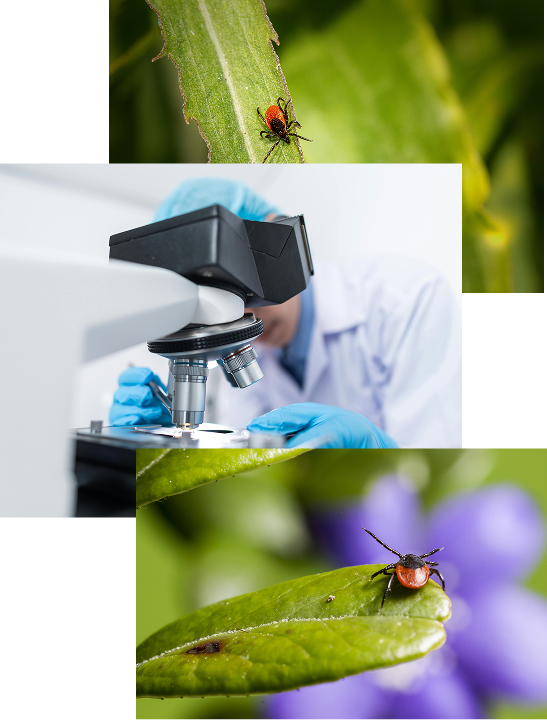
Lyme disease treatment involves a systematic approach to diagnosing, managing, and alleviating the symptoms caused by the Borrelia burgdorferi bacterium, which is transmitted through tick bites. The treatment typically includes a combination of antibiotics, lifestyle changes, and supportive therapies aimed at restoring balance and optimizing health.
1. Antibiotic Therapy
The cornerstone of Lyme disease treatment is antibiotic therapy. Depending on the stage of the disease, oral or intravenous antibiotics may be prescribed. Early-stage Lyme disease often responds well to oral antibiotics such as doxycycline, amoxicillin, or cefuroxime. For more advanced cases, intravenous antibiotics like ceftriaxone may be necessary.
2. Supportive Therapies
Supportive therapies are integral to a comprehensive Lyme disease treatment plan. These may include:
3. Lifestyle Modifications
Lifestyle changes can significantly impact the effectiveness of Lyme disease treatment. Recommendations often include:
Effective Lyme disease treatment offers numerous benefits, including:
1. Symptom Relief
Reduction in fatigue, joint pain, and neurological symptoms.
2. Improved Quality of Life
Enhanced daily functioning and well-being.
3. Long-term Health
Prevention of chronic complications and relapses.
4. Restored Balance
Achieving a state of homeostasis in the body.
1
2
3
4
Concerns around hormone therapy largely stem from the Women’s Health Initiative (WHI) study conducted over two decades ago. However, it’s important to note that the WHI studied synthetic, non-human hormones—specifically horse-derived hormones which were later shown to have harmful effects.
Since then, a growing body of research on bio-identical hormones—which are structurally identical to those naturally produced by the human body—has found no increased risk of chronic disease. These safer, plant-derived hormones have become a trusted, evidence-based option for women seeking to restore balance and relieve symptoms.