How Do I Know If I Need A Higher Dose of HRT?
- HRT
- Share this post on:
- Share this post on:
Post Contents
If you’ve started hormone replacement therapy and you’re still dealing with hot flashes, poor sleep, brain fog, fatigue, or other menopause symptoms, you may be wondering whether your dose is high enough.
This is one of the most common questions people ask after starting HRT.
While hormone therapy can be highly effective, finding the right dose isn’t always immediate.
Some people notice improvements within a few weeks, while others require adjustments before achieving the symptom relief they’re hoping for.
So how do you know if your HRT dose is too low?
The answer often comes down to which symptoms are still present, how long you’ve been on treatment, and whether those symptoms have improved, stayed the same, or returned after initially getting better.
Quick Answer: Signs Your HRT Dose May Be Too Low
You may need a higher dose of HRT if you’ve been taking hormone therapy consistently and continue experiencing symptoms such as hot flashes, night sweats, brain fog, fatigue, low libido, mood changes, sleep problems, vaginal dryness, or joint pain.
However, HRT takes time to work, and not every persistent symptom means your dose needs to be increased.
A healthcare provider can help determine whether your symptoms are related to hormone levels or another underlying cause.
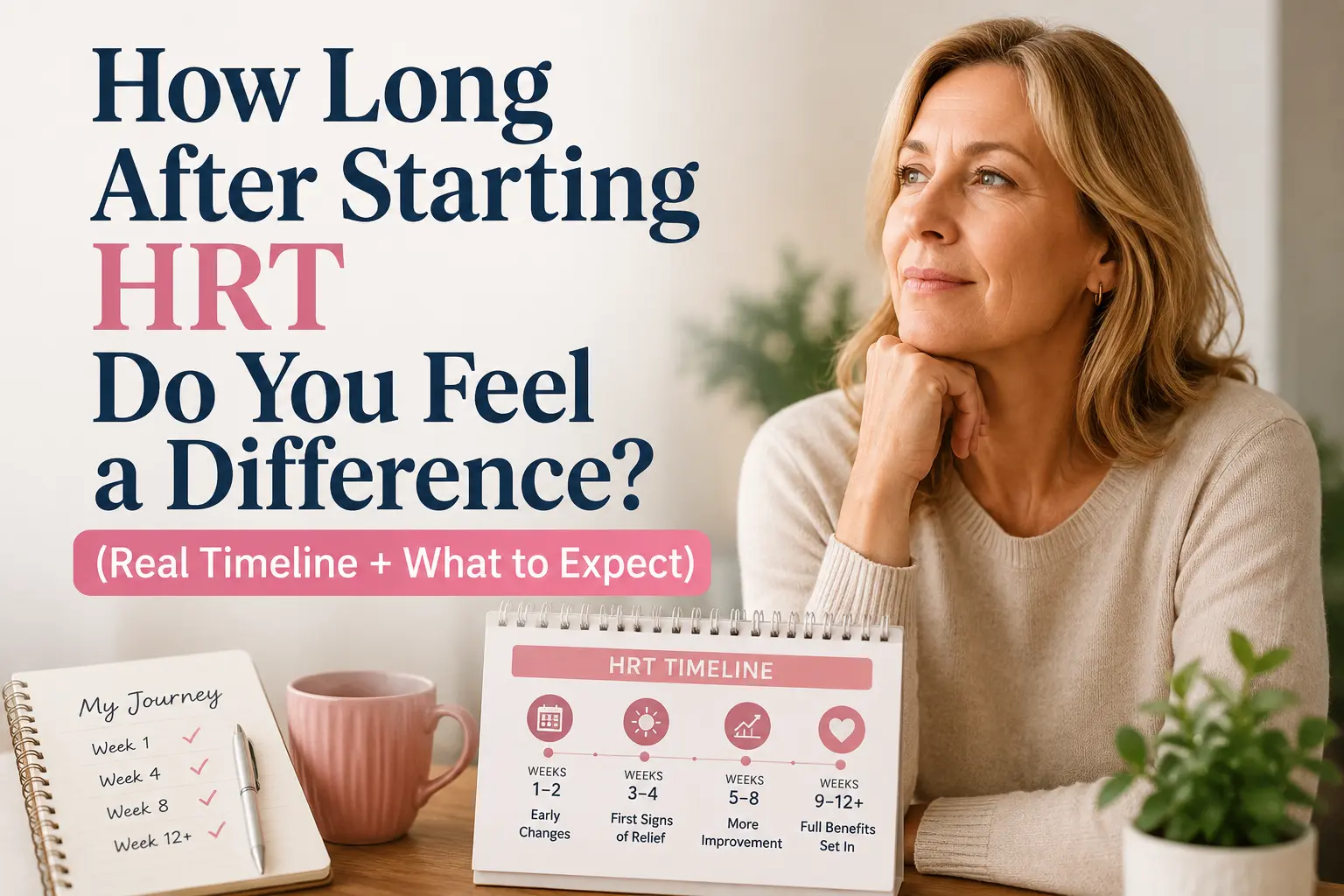
How Long Does HRT Take to Work?
One of the biggest reasons people question whether they need a higher dose of HRT is because they expected results sooner.
While some women notice improvements fairly quickly, hormone therapy is often a gradual process.
Many healthcare providers recommend allowing enough time for HRT to take effect before making dosage changes.
What Symptoms Usually Improve First on HRT?
Understanding what typically improves first can help you determine whether your treatment is working.
Many women notice improvements in:
- Hot flashes
- Night sweats
- Sleep quality
- Mood stability
Symptoms such as brain fog, fatigue, libido changes, and vaginal dryness sometimes take longer to improve.
If your hot flashes have improved but your energy levels haven’t, that doesn’t necessarily mean your HRT isn’t working.
It may simply mean your body needs more time to respond.
Common Signs You May Need a Higher Dose of HRT
Let’s look at some of the common signs your HRT does may be to low:
Hot Flashes and Night Sweats Continue
Persistent hot flashes and night sweats are often among the clearest signs that menopause symptoms are not yet fully controlled.
Occasional breakthrough symptoms can happen, but if you’re still experiencing frequent episodes after several weeks or months of treatment, it may be worth discussing whether your dose should be reviewed.
Why Am I Still Getting Hot Flashes on HRT?
This is one of the most common questions women ask after starting treatment.
Possible reasons include:
- Your current dose may be too low
- You haven’t been on treatment long enough
- You’re still in perimenopause and hormone levels are fluctuating
- Stress is worsening symptoms
- Another medical condition may be contributing
A healthcare provider can help determine which factor is most likely affecting you.
Brain Fog Persists
Many women report that brain fog is one of the most frustrating menopause symptoms.
You may notice:
- Forgetfulness
- Difficulty concentrating
- Trouble finding words
- Feeling mentally slower than usual
If these symptoms continue despite treatment, it may be appropriate to reassess your treatment plan.
Low Energy and Fatigue Continue
Fatigue can affect nearly every aspect of daily life.
If you’re sleeping adequately but still feel exhausted, hormone levels may be only one part of the picture.
Your provider may also evaluate factors such as stress, thyroid health, nutrition, and sleep quality.
Sleep Problems Continue
Sleep and hormone health are closely connected.
Persistent symptoms such as:
- Difficulty falling asleep
- Waking throughout the night
- Early morning waking
- Non-restorative sleep
may indicate that your symptoms are not fully controlled.
Mood Changes or Anxiety Remain
Many women begin HRT hoping to improve emotional symptoms.
If you continue experiencing irritability, mood swings, anxiety, or feeling emotionally overwhelmed, it may be time for a follow-up discussion with your provider.
Low Libido Persists
Changes in sexual desire are common during perimenopause and menopause.
If low libido continues despite treatment, your healthcare provider may want to assess whether hormone-related factors are contributing.
Vaginal Dryness and Discomfort Continue
Persistent vaginal symptoms can sometimes indicate that estrogen-related symptoms have not been adequately addressed.
Joint Pain and Muscle Aches Continue
Joint stiffness and body aches are frequently overlooked menopause symptoms.
If discomfort remains despite treatment, it’s worth discussing whether hormone levels or other factors may be contributing.
GET HELP ADJUSTING YOUR TREATMENT
How Do I Know If My Estrogen Dose Is Too Low?
Many women specifically wonder whether they need more estrogen.
Possible signs of low estrogen despite HRT may include:
- Ongoing hot flashes
- Night sweats
- Vaginal dryness
- Brain fog
- Mood changes
- Poor sleep
- Low libido
However, symptoms alone cannot determine whether your estrogen dose should be increased.
Your provider will consider your symptom pattern, treatment history, and overall health before recommending any changes.
Could Something Other Than HRT Be Causing Your Symptoms?
Not every symptom means your HRT dose is too low.
Other possible causes include:
- Chronic stress
- Sleep disorders
- Thyroid conditions
- Anxiety
- Depression
- Nutritional deficiencies
- Certain medications
- Other health conditions
This is why self-adjusting your dose is never recommended.
How Long Should I Wait Before Increasing My HRT Dose?
How long to notice changes on HRT depends on:
- Your age
- Whether you’re in perimenopause or postmenopause
- The type of HRT you’re taking
- How severe your symptoms are
- How long you’ve been on treatment
In many cases, healthcare providers prefer to give treatment adequate time to work before making changes.
If symptoms remain bothersome after a reasonable adjustment period, your provider may discuss increasing your dosage.
What If My Symptoms Improved and Then Came Back?
Some women experience symptom relief initially, only to notice symptoms returning later.
This doesn’t necessarily mean your HRT has stopped working.
Possible explanations include:
- Ongoing hormonal fluctuations
- Progression through perimenopause
- Increased stress levels
- Sleep disruptions
- Changes in overall health
A follow-up appointment can help determine whether your treatment should be adjusted.
Factors That Can Affect Your HRT Needs
Let’s look at some of the variables that can affect your HRT needs:
Perimenopause
Studies show hormone levels can fluctuate significantly during perimenopause, which may affect how well your current dose controls symptoms.
Postmenopause
Hormone levels become more stable after menopause, but symptom severity and treatment needs still vary from person to person.
Surgical Menopause
Women who experience menopause following surgery often experience more abrupt hormonal changes and may require closer monitoring.
Body Weight and Metabolism
Individual differences in metabolism can affect how hormones are absorbed and utilized.
Stress and Lifestyle Habits
Sleep quality, nutrition, exercise, and stress management can all influence symptom severity and overall well-being.
When Should You Talk to a Healthcare Provider?
Consider contacting your provider if:
- Symptoms remain bothersome after several weeks or months
- Symptoms initially improved and then returned
- New symptoms develop
- Side effects are interfering with daily life
- You’re unsure whether your current dose is working
How Amari Health Can Help With HRT
At Amari Health, we understand that hormone therapy isn’t one-size-fits-all.
Every patient experiences menopause differently, which is why finding the right treatment approach often requires ongoing evaluation and personalization.
Our team works closely with patients to assess symptoms, monitor progress, and create individualized plans designed to support long-term health and quality of life.
Whether you’re questioning your current HRT dosage or exploring treatment options for the first time, we’re here to help.
Final Thoughts: How Do I Know If I Need A Higher Dose of HRT
If you’re wondering how to know if you need a higher dose of HRT, persistent symptoms such as hot flashes, night sweats, brain fog, fatigue, sleep problems, low libido, vaginal dryness, or joint discomfort may be signs that your treatment plan should be reviewed.
At the same time, hormone therapy takes time to work, and many factors beyond hormone levels can affect how you feel.
Working closely with a qualified healthcare provider can help you determine whether your dosage is appropriate and whether adjustments may be beneficial.
FAQs: How Do I Know If I Need A Higher Dose of HRT
How do I know if my HRT dose is too low?
Signs that your HRT dose may be too low can include ongoing hot flashes, night sweats, brain fog, fatigue, mood changes, sleep problems, low libido, or vaginal dryness. If symptoms continue after giving treatment adequate time to work, speak with your healthcare provider about whether your dosage should be reviewed.
How long should I wait before increasing my HRT dose?
The timeline varies depending on the type of HRT you’re using, your symptoms, and your stage of menopause. Many healthcare providers recommend allowing several weeks for treatment to take effect before considering dosage adjustments. Always consult your provider before making changes to your medication.
Why am I still getting hot flashes on HRT?
Persistent hot flashes can occur for several reasons. Your current dose may not be fully controlling symptoms, you may still be experiencing hormonal fluctuations during perimenopause, or you may not have been on treatment long enough to experience its full effects. A healthcare provider can help determine the cause.
Can HRT stop working over time?
HRT does not typically stop working, but symptom changes can occur due to ongoing hormonal fluctuations, aging, increased stress, changes in health, or progression through menopause. If symptoms return after initially improving, schedule a follow-up appointment with your healthcare provider.
Can stress make HRT seem like it’s not working?
Yes. Chronic stress can contribute to poor sleep, fatigue, anxiety, mood changes, and difficulty concentrating. These symptoms can overlap with menopause symptoms and may make it appear as though HRT is not working as effectively as expected.
Is it normal to still have symptoms after starting HRT?
Yes. Hormone replacement therapy often takes time to produce noticeable improvements. While some women experience relief within a few weeks, others may need several months before seeing the full benefits of treatment.
Does everyone need the same HRT dose?
No. HRT is highly individualized. Factors such as age, stage of menopause, symptom severity, overall health, and personal treatment goals can all influence the dosage that works best for each person.

Not Sure Where to Start?
Lorem ipsum dolor sit amet consectetur. Et ultrices nunc donec placerat. In velit mattis ac arcu vitae tortor ullamcorper.