What Are the Signs You Need Hormone Replacement Therapy?
- HRT
- Share this post on:

- Share this post on:
Post Contents
If you’ve been dealing with hot flashes, poor sleep, mood swings, brain fog, or unexplained weight gain, you may be wondering whether your hormones are to blame.
For many women, these symptoms begin during perimenopause and menopause as estrogen and progesterone levels naturally decline.
While some hormonal changes are a normal part of aging, symptoms that interfere with your daily life don’t have to be.
Hormone replacement therapy (HRT) may help relieve many of the symptoms associated with hormone imbalances and menopause, allowing you to feel more like yourself again.
But how do you know if you’re a candidate for hormone therapy?
What are the signs you need hormone replacement therapy?
Let’s take a closer look.
Quick Answer: What Are the Signs You Need Hormone Replacement Therapy?
The most common signs you may need hormone replacement therapy include:
| Sign | Possible Hormonal Cause |
| Hot flashes | Declining estrogen levels |
| Night sweats | Hormonal fluctuations |
| Sleep problems | Changes in estrogen and progesterone |
| Mood swings | Hormone imbalances affecting neurotransmitters |
| Brain fog | Fluctuating hormone levels |
| Vaginal dryness | Lower estrogen production |
| Low libido | Reduced estrogen and testosterone |
| Fatigue | Hormonal changes and poor sleep |
| Weight gain | Slower metabolism and hormone shifts |
| Joint pain | Reduced estrogen affecting inflammation |
| Hair thinning | Hormonal changes affecting hair growth |
| Frequent UTIs | Changes in vaginal and urinary tissues |
If these symptoms are frequent, persistent, or affecting your quality of life, it may be time to discuss hormone replacement therapy with a healthcare provider.
Understanding Hormonal Changes During Perimenopause and Menopause
Before discussing the signs you need HRT, it helps to understand what’s happening inside your body.
Perimenopause is the transitional stage leading up to menopause.
It often begins in a woman’s 40s, although some women experience symptoms earlier.
During this time, estrogen and progesterone levels fluctuate unpredictably.
Eventually, menopause occurs when you’ve gone 12 consecutive months without a menstrual period.
At that point, hormone production continues to decline, which can lead to a wide range of symptoms.
Because estrogen affects nearly every system in the body, including the brain, heart, bones, muscles, skin, and reproductive organs, a hormonal imbalance can show up in many different ways.
Symptoms of Low Estrogen
Many women searching for signs they need hormone replacement therapy are actually experiencing symptoms of low estrogen.
Low estrogen levels may cause:
- Hot flashes
- Night sweats
- Irregular periods
- Brain fog
- Mood swings
- Anxiety
- Vaginal dryness
- Pain during intercourse
- Low libido
- Sleep disturbances
- Fatigue
- Joint pain
- Hair thinning
- Weight gain
While these symptoms can have other causes, declining estrogen is one of the most common reasons women seek hormone therapy during perimenopause and menopause.
12 Signs You May Need Hormone Replacement Therapy
Let’s look at some of the signs you need hormone replacement therapy?
1. Hot Flashes
Hot flashes are one of the most recognizable symptoms of menopause.
You may suddenly experience intense warmth in your face, neck, or chest, followed by sweating and chills.
Some women experience occasional hot flashes, while others have multiple episodes every day.
If hot flashes are disrupting your work, sleep, or daily activities, hormone replacement therapy may help provide relief.
2. Night Sweats
Night sweats are essentially hot flashes that occur during sleep.
Many women wake up drenched in sweat, needing to change clothes or bedding.
Over time, repeated sleep disruptions can contribute to fatigue, mood changes, and difficulty concentrating.
Studies show frequent night sweats are often one of the clearest signs that declining estrogen levels may be affecting your quality of life.
3. Difficulty Sleeping
Many women entering perimenopause discover that getting a good night’s sleep becomes increasingly difficult.
You may find yourself waking up multiple times during the night, struggling to fall asleep, waking earlier than usual, or feeling exhausted despite spending enough time in bed.
Sleep disturbances are often linked to hormonal fluctuations and can significantly affect overall health and well-being.
4. Mood Swings, Anxiety, or Irritability
Hormones influence neurotransmitters that help regulate mood, including serotonin and dopamine.
When hormone levels fluctuate, you may experience irritability, anxiety, increased emotional sensitivity, mood swings, or difficulty managing stress.
Many women report feeling emotionally different during perimenopause and menopause, even if they have never struggled with mood-related symptoms before.
5. Brain Fog and Memory Problems
Brain fog is one of the most common yet least discussed symptoms of hormonal changes.
Women often notice:
- Difficulty concentrating
- Forgetfulness
- Mental fatigue
- Reduced focus
- Trouble multitasking
These symptoms can affect both personal and professional life and may become increasingly frustrating over time.
6. Vaginal Dryness and Pain During Intimacy
Estrogen helps maintain healthy vaginal tissues and natural lubrication.
As estrogen levels decline, some women experience vaginal dryness, burning, itching, irritation, or pain during intercourse.
These symptoms can affect both comfort and intimacy.
7. Low Libido
Changes in estrogen and testosterone levels can contribute to a decreased interest in sex.
Low libido may be accompanied by reduced sexual desire, difficulty becoming aroused, less satisfaction during intimacy, or changes in sexual responsiveness.
8. Persistent Fatigue
Hormonal changes can contribute to low energy, reduced motivation, daytime sleepiness, and slower recovery from physical activity.
When combined with poor sleep, hormone-related fatigue can significantly affect daily functioning.
9. Unexplained Weight Gain
Many women notice changes in their weight during perimenopause and menopause.
You may find that weight gain occurs despite maintaining your usual habits, fat accumulates around the abdomen, and losing weight becomes more difficult than it once was.
10. Joint Pain and Muscle Aches
Estrogen plays an important role in reducing inflammation and supporting joint health.
When levels decline, some women experience joint stiffness, aching muscles, increased soreness, and reduced mobility.
11. Hair Thinning and Changes in Skin Health
Hormonal fluctuations can affect collagen production, skin hydration, and hair growth.
You may notice thinning hair, increased shedding, dry skin, loss of skin elasticity, and more noticeable fine lines.
12. Frequent Urinary Tract Infections or Bladder Changes
Lower estrogen levels can affect the tissues of the urinary tract and pelvic floor.
Common symptoms include frequent UTIs, increased urinary urgency, mild urinary leakage, bladder irritation, and more frequent nighttime urination.
SEE HOW HRT CAN RELIEVE YOUR SYMPTOMS
How Do You Know If Your Symptoms Are Hormone Related?
Not every symptom is caused by hormonal changes.
However, your symptoms may be related to declining hormone levels if:
- You’re in your 40s or 50s
- Your menstrual cycles have become irregular
- Several symptoms appeared around the same time
- Symptoms fluctuate throughout the month
- Lifestyle changes haven’t improved your symptoms
- Symptoms began during perimenopause or menopause
A healthcare provider can review your symptoms, medical history, and overall health to determine whether hormones may be contributing to what you’re experiencing.
What Happens During a Hormone Evaluation?
Many women wonder what happens when they seek help for possible hormonal imbalances.
A hormone evaluation may include:
- A review of your symptoms
- Medical history assessment
- Discussion of menstrual changes
- Lifestyle and health review
- Physical examination when appropriate
- Laboratory testing when indicated
The goal is to determine whether hormonal changes are contributing to your symptoms and whether hormone replacement therapy may be an appropriate treatment option.
Signs You May Need Hormone Replacement Therapy in Your 40s
Many women assume hormone therapy is only for women who have already reached menopause.
In reality, symptoms often begin years earlier during perimenopause.
Women in their 40s commonly experience irregular periods, mood changes, sleep disturbances, brain fog, fatigue, and early hot flashes.
Signs You May Need Hormone Replacement Therapy in Your 50s
During your 50s, hormone levels typically continue to decline.
Symptoms may become more noticeable and include frequent hot flashes, night sweats, weight gain, vaginal dryness, joint discomfort, and reduced libido.
When Should You Consider Hormone Replacement Therapy?
A good question to ask yourself is not whether you have symptoms, but whether those symptoms are interfering with your life.
You may want to consider hormone therapy if:
- You’re losing sleep regularly
- Symptoms affect your work performance
- Mood changes strain relationships
- Low energy prevents you from doing activities you enjoy
- Intimacy has become uncomfortable
- You no longer feel like yourself
Who Is a Good Candidate for HRT?
Many healthy women experiencing moderate to severe menopause symptoms may be candidates for hormone replacement therapy.
Factors that may influence candidacy include:
- Age
- Medical history
- Family history
- Current symptoms
- Menopause status
- Personal health goals
Because every woman is different, treatment should always be individualized.
How Hormone Replacement Therapy May Help
When appropriate, HRT may help reduce or improve:
- Hot flashes
- Night sweats
- Sleep problems
- Mood changes
- Anxiety
- Brain fog
- Low libido
- Vaginal dryness
- Fatigue
- Joint discomfort
Many women report significant improvements in both physical symptoms and overall well-being after beginning treatment under medical supervision.
How Amari Health Can Help
At Amari Health, we understand that hormonal symptoms can affect every area of your life.
Whether you’re dealing with fatigue, weight gain, brain fog, low libido, poor sleep, hot flashes, or mood changes, our team takes a personalized approach to hormone replacement therapy.
We don’t believe in one-size-fits-all treatment.
Instead, we take the time to understand your symptoms, evaluate your health history, assess your hormone levels, and create an individualized treatment plan designed around your needs and goals.
Our goal is to help you restore balance, improve your quality of life, and feel your best during perimenopause, menopause, and beyond.
Final Thoughts: What Are the Signs You Need Hormone Replacement Therapy
The signs you need hormone replacement therapy often extend far beyond hot flashes.
Symptoms such as poor sleep, fatigue, brain fog, low libido, mood changes, weight gain, joint pain, and vaginal dryness may all be linked to declining hormone levels.
While hormonal changes are a natural part of aging, symptoms that interfere with your daily life shouldn’t be ignored.
Understanding the connection between your symptoms and your hormones can help you make informed decisions about your health and determine whether hormone replacement therapy may be right for you.
If you’re experiencing symptoms of hormonal imbalance and want answers, speaking with a qualified healthcare provider can help you explore your options and create a plan tailored to your needs.
FAQs: What Are the Signs You Need Hormone Replacement Therapy
How do I know if I really need HRT?
You may want to consider HRT if symptoms such as hot flashes, night sweats, poor sleep, brain fog, mood changes, low libido, or vaginal dryness are affecting your quality of life. A healthcare provider can evaluate your symptoms, medical history, and hormone levels to determine whether hormone replacement therapy may be appropriate for you.
What are the 5 common signs of hormonal imbalance?
Five of the most common signs of hormonal imbalance in women include fatigue, mood swings, weight gain, irregular menstrual cycles, and trouble sleeping. Other symptoms may include hot flashes, low libido, brain fog, and changes in skin or hair health.
What are the symptoms of low progesterone and estrogen?
Low progesterone and estrogen can cause symptoms such as irregular periods, hot flashes, night sweats, mood swings, anxiety, sleep problems, fatigue, low libido, vaginal dryness, and difficulty concentrating. These symptoms are common during the transition into menopause.
How do you feel if your hormones are off?
Many women describe feeling tired, irritable, emotionally sensitive, anxious, or mentally foggy when their hormones are out of balance. You may also experience sleep disturbances, weight gain, low energy, reduced motivation, or changes in sexual health.
How long does it take to fix hormone imbalance?
The timeline varies depending on the underlying cause and treatment approach. Some women notice improvements in symptoms within a few weeks of starting treatment, while others may require several months to achieve optimal hormone balance. Consistent follow-up and individualized care are important for long-term success.
How long after starting HRT do you feel a difference?
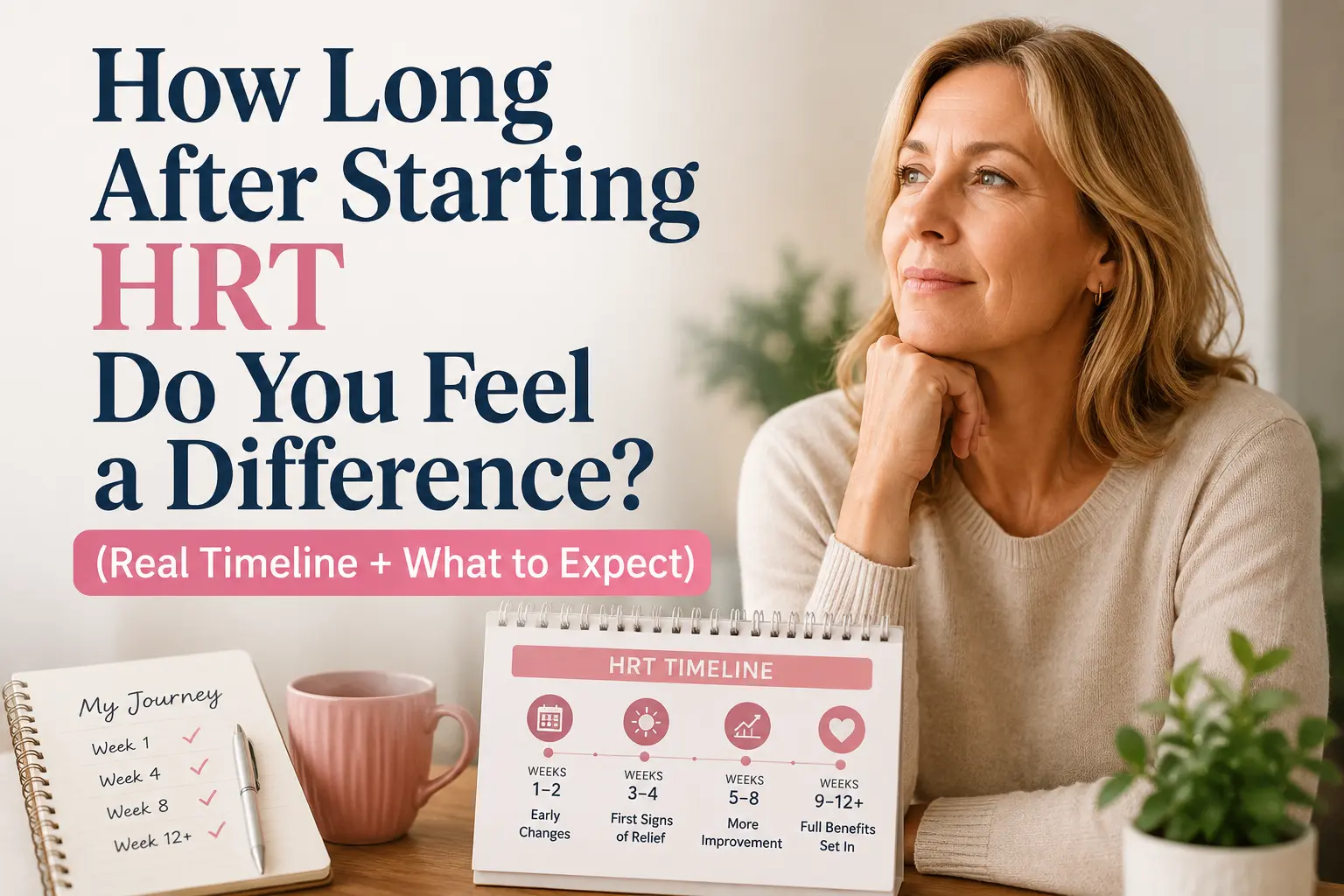
The timeline varies from person to person, but many women begin noticing improvements in symptoms such as hot flashes, night sweats, and sleep quality within a few weeks of starting HRT. Other benefits, including improvements in mood, energy levels, libido, and overall well-being, may take several weeks to a few months to become noticeable. Your response will depend on factors such as your hormone levels, treatment plan, and overall health.
How do I know if I need a higher dose of HRT?
If you’ve been taking HRT consistently and are still experiencing symptoms such as hot flashes, night sweats, mood swings, fatigue, brain fog, or vaginal dryness, your current dose may not be fully addressing your needs. However, persistent symptoms don’t automatically mean you need a higher dose. A healthcare provider can evaluate your symptoms, review your treatment plan, and determine whether adjustments are necessary to help you achieve better symptom relief while maintaining safety.

Not Sure Where to Start?
Lorem ipsum dolor sit amet consectetur. Et ultrices nunc donec placerat. In velit mattis ac arcu vitae tortor ullamcorper.