Post Content
Post Contents
Follow Us

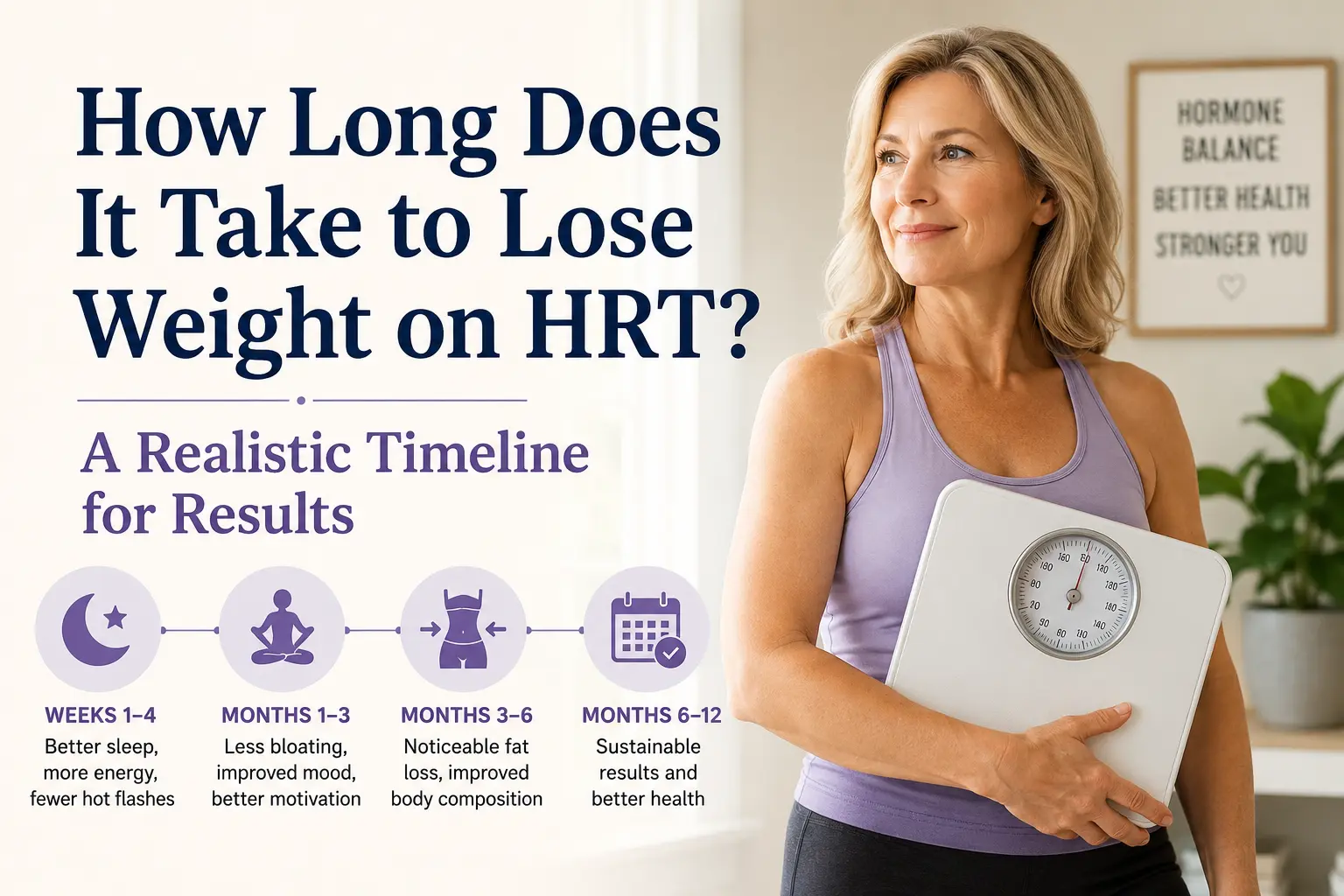
How Long Does It Take to Lose Weight on HRT?

A woman in midlife stands confidently in a bright wellness setting, looking at a weight-loss progress chart while holding a measuring tape. A subtle timeline graphic illustrates milestones over several months, representing the gradual effects of hormone replacement therapy on weight management. The image includes the overlaid text: “How Long Does It Take to Lose Weight on HRT? A Realistic Timeline for Results.”
Post Contents

Many women start hormone replacement therapy (HRT) hoping it will help them feel better, improve menopause symptoms, and make it easier to lose weight.

If you’ve recently started treatment or are considering it, one of the most common questions is: How long does it take to lose weight on HRT?

The answer varies from person to person, but most women who experience weight-loss benefits from HRT begin noticing meaningful changes within three to six months.

Improvements in sleep, energy, mood, and exercise performance often happen much sooner and may help support healthy weight loss over time.

While HRT is not a weight-loss medication, it can help address hormonal imbalances that contribute to weight gain, slower metabolism, increased belly fat, and difficulty maintaining a healthy weight during perimenopause and menopause.


SEE HOW HRT CAN HELP YOU MANAGE YOUR WEIGHT


Quick Answer: How Long Does It Take to Lose Weight on HRT?

Most women who lose weight on HRT begin seeing noticeable improvements within three to six months of starting treatment.

However, positive changes that support weight loss, such as better sleep, increased energy, reduced cravings, and improved exercise recovery, often occur within the first few weeks.

HRT does not directly cause weight loss.

Instead, it helps correct hormone imbalances that may be making weight management more difficult.

Key Takeaways

  • Most women notice meaningful weight-loss or body composition changes within 3 to 6 months of HRT.
  • Improvements in sleep, mood, energy, and metabolism often occur within the first few weeks.
  • HRT is not a weight-loss medication, but it may help address factors that contribute to weight gain.
  • Some women experience temporary bloating or water retention when first starting treatment.
  • HRT may help reduce menopause-related belly fat when combined with healthy lifestyle habits.
  • Nutrition, exercise, sleep, and stress management remain essential for long-term success.


HRT Weight Loss Timeline: What to Expect

Everyone responds differently to hormone therapy, but many women follow a similar timeline.

Timeline What You May Notice
Weeks 1-4 Better sleep, improved mood, fewer hot flashes, increased energy
Months 1-3 Reduced bloating, improved motivation, better workout recovery
Months 3-6 Noticeable changes in body composition, fat loss, and waist measurements
Months 6-12 Greater long-term weight management and improved metabolic health

It’s important to remember that weight loss often happens gradually.

Many women notice their clothes fitting differently before they see major changes on the scale.


Why Is It Harder to Lose Weight During Menopause?

Many women notice weight gain beginning in their 40s and 50s, even if they haven’t changed their eating or exercise habits.

Several hormonal changes can contribute to this:

  • Declining estrogen levels
  • Loss of lean muscle mass
  • Reduced metabolic rate
  • Increased insulin resistance
  • Changes in appetite regulation
  • Poor sleep caused by hot flashes and night sweats
  • Increased stress and cortisol production

These changes can create the perfect environment for weight gain, particularly around the abdomen.

As a result, many women find themselves asking why they suddenly can’t lose weight the way they could in their 20s and 30s.


Does HRT Help With Weight Loss?

HRT is not intended to be a weight-loss treatment.

However, many women find that weight loss becomes easier after starting hormone replacement therapy because it addresses symptoms and hormonal changes that may interfere with healthy weight management.

Potential benefits include:

  • Improved sleep quality
  • Increased energy
  • Better insulin sensitivity
  • Reduced fatigue
  • Improved mood
  • Better exercise performance
  • Preservation of lean muscle mass

When these factors improve, many women find it easier to maintain healthy habits that support gradual and sustainable weight loss.


Does HRT Increase Metabolism?

One of the most common questions women ask is whether HRT boosts metabolism.

The answer is somewhat complex.

HRT does not dramatically increase metabolism in the way some people expect.

However, maintaining healthy hormone levels may help support metabolic function by:

  • Preserving muscle mass
  • Improving insulin sensitivity
  • Supporting physical activity levels
  • Improving sleep quality
  • Reducing fatigue

Since muscle burns more calories than fat, maintaining muscle mass during menopause can play an important role in preventing further metabolic slowdown.

For many women, the benefit is not that HRT speeds up metabolism but that it helps reduce some of the hormonal factors that contribute to a slower metabolism.


Can HRT Help Reduce Belly Fat?

Belly fat is one of the most frustrating symptoms associated with menopause.

Studies show as estrogen levels decline, the body tends to store more fat around the abdomen rather than the hips and thighs.

This shift in fat distribution explains why many women notice an expanding waistline despite maintaining the same weight.

While HRT cannot target belly fat specifically, it may help:

  • Improve fat distribution
  • Reduce abdominal fat accumulation
  • Lower bloating
  • Improve body composition
  • Support healthier metabolic function

When combined with strength training, proper nutrition, and regular physical activity, many women find it easier to reduce stubborn abdominal fat after beginning treatment.


How Much Weight Can You Lose on HRT?

There is no universal amount of weight that women lose on HRT.

Some women lose very little weight but experience significant improvements in body composition.

Others may lose 5 to 15 pounds or more over several months when combining hormone therapy with healthy lifestyle changes.

The amount of weight loss depends on factors such as:

  • Starting weight
  • Hormone levels
  • Nutrition habits
  • Physical activity
  • Sleep quality
  • Stress levels
  • Medical conditions

Rather than focusing solely on the scale, it’s often more helpful to evaluate:

  • Waist circumference
  • Body measurements
  • Body fat percentage
  • Energy levels
  • Strength improvements
  • How clothes fit

These indicators frequently provide a better picture of progress than weight alone.


Why Weight Loss on HRT Isn’t Always Reflected on the Scale

One of the biggest mistakes women make is judging their progress entirely by scale weight.

Hormone replacement therapy may help preserve lean muscle mass while reducing body fat.

Since muscle weighs more than fat by volume, body composition can improve significantly even if scale weight changes very little.

This is why some women notice:

  • Smaller waistlines
  • Better muscle definition
  • Improved fitness
  • Looser clothing

Before they see major weight-loss numbers.

In many cases, fat loss is occurring even when the scale appears unchanged.


Why Some Women Lose Weight Faster on HRT Than Others

Every woman’s experience with HRT is different.

Several factors influence how quickly results occur.

Starting Hormone Levels

Women with significant hormonal deficiencies often notice larger improvements after beginning treatment.

Nutrition

Hormone therapy cannot compensate for poor dietary habits.

Nutrition remains one of the biggest drivers of weight loss.

Physical Activity

Women who strength train regularly often experience better body composition outcomes.

Sleep

Sleep directly affects appetite hormones, insulin sensitivity, and recovery.

Stress

Chronic stress may increase cortisol levels and promote fat storage, especially around the midsection.

Existing Health Conditions

Thyroid disorders, insulin resistance, and other metabolic conditions can influence results.


Can HRT Cause Weight Gain at First?

Some women notice temporary weight gain shortly after starting hormone therapy.

In most cases, this is caused by:

  • Water retention
  • Temporary bloating
  • Fluid shifts as hormones stabilize

This does not necessarily indicate fat gain.

These effects often improve within the first few weeks or months as the body adjusts to treatment.


Signs HRT Is Working Before You Lose Weight

Weight loss is often not the first sign that HRT is working.

Many women notice improvements in other symptoms before seeing changes in body weight.

Positive signs HRT is working include:

  • Better sleep
  • More energy
  • Improved mood
  • Fewer hot flashes
  • Reduced night sweats
  • Better focus
  • Improved libido
  • Better workout recovery
  • Less joint discomfort

These changes often make healthy lifestyle habits easier to maintain, which can eventually lead to weight loss.


Why Am I Not Losing Weight on HRT?

If you’ve been on HRT for several months and haven’t lost weight, it doesn’t necessarily mean treatment isn’t working.

Several factors may be preventing progress.

Common reasons include:

  • Insulin resistance
  • Thyroid dysfunction
  • Poor sleep quality
  • Chronic stress
  • Lack of strength training
  • Excess calorie intake
  • Inadequate protein consumption
  • Certain medications
  • Hormone levels that still require adjustment

This is one reason ongoing follow-up appointments are important. 

Your provider can evaluate whether additional testing or treatment adjustments may be necessary.


How to Maximize Weight Loss While on HRT

The best results occur when hormone therapy is combined with healthy lifestyle habits.

Prioritize Protein

Protein helps preserve muscle mass and supports metabolism.

Strength Train Two to Four Times Per Week

Resistance training helps combat age-related muscle loss and supports long-term fat loss.

Walk Daily

Regular movement throughout the day can significantly increase calorie expenditure.

Improve Sleep Quality

Aim for seven to nine hours of sleep whenever possible.

Manage Stress

Stress management techniques such as meditation, yoga, deep breathing, and walking may help support hormonal balance.

Stay Consistent

Hormonal changes take time.

Consistency is often more important than perfection.


When Should You Talk to Your Provider?

Schedule a follow-up if:

  • Symptoms haven’t improved after several months
  • Weight continues increasing despite healthy habits
  • Side effects become bothersome
  • You suspect your hormone levels need adjustment
  • You have concerns about your progress

Hormone replacement therapy should always be personalized, and treatment plans sometimes require fine-tuning to achieve the best outcomes.


CONTACT US


Final Thoughts: How Long Does It Take to Lose Weight on HRT

So, how long does it take to lose weight on HRT?

For most women, noticeable improvements in weight management and body composition occur within three to six months.

However, the benefits that support weight loss, including better sleep, increased energy, improved mood, and enhanced exercise recovery—often begin much sooner.

HRT isn’t a weight-loss medication, but it may help remove some of the hormonal obstacles that make losing weight more difficult during perimenopause and menopause.

When combined with proper nutrition, regular exercise, quality sleep, and ongoing medical guidance, hormone replacement therapy can be a valuable tool for supporting long-term health and sustainable weight management.


SCHEDULE A CONSULTATION


FAQs: How Long Does It Take to Lose Weight on HRT

How long after starting HRT do you start to lose weight?

Most women who experience weight-loss benefits from HRT begin noticing changes within three to six months. However, improvements in sleep, energy, mood, and exercise recovery often occur within the first few weeks and can help support healthy weight loss over time.

Will I lose belly fat with HRT?

HRT may help reduce menopause-related belly fat by addressing hormonal changes that contribute to abdominal fat storage. While HRT does not specifically target belly fat, many women notice improvements in waist circumference and body composition when hormone therapy is combined with a healthy diet and regular exercise.

How much weight can you lose on HRT?

There is no set amount of weight that women lose on HRT. Some women lose only a few pounds, while others lose 10 pounds or more over several months. Results depend on factors such as hormone levels, nutrition, activity level, sleep quality, stress management, and overall health.

What are the first signs that HRT is working?

The first signs that HRT is working often include better sleep, increased energy, improved mood, fewer hot flashes, reduced night sweats, and improved mental clarity. These benefits may appear within a few weeks, often before noticeable weight loss occurs.

Can HRT make it more difficult to lose weight?

For most women, HRT does not make it harder to lose weight. In fact, hormone therapy may help address factors that contribute to weight gain, such as poor sleep, fatigue, reduced muscle mass, and hormonal imbalances. However, HRT alone does not guarantee weight loss and should be combined with healthy lifestyle habits.

What diet is best while taking HRT?

The best diet while taking HRT is one that supports overall health and stable blood sugar levels. Many healthcare providers recommend focusing on lean protein, vegetables, fruits, healthy fats, whole grains, and high-fiber foods while limiting highly processed foods and excess added sugars.

What kind of HRT is best for weight?

There is no single type of HRT that is considered best for weight loss. The most effective treatment depends on your symptoms, hormone levels, medical history, and individual needs. A healthcare provider can help determine the most appropriate hormone therapy plan based on your specific situation and health goals.

Not Sure Where to Start?

Lorem ipsum dolor sit amet consectetur. Et ultrices nunc donec placerat. In velit mattis ac arcu vitae tortor ullamcorper.


keep learning

Lorem ipsum dolor sit amet consectetur. Et ultrices nunc donec placerat.

Horizontal medical-themed image featuring a GLP-1 style injection pen and dosage chart with overlaid text reading “Retatrutide Dosage: Starting Dose, Titration Schedule, and Maximum Weekly Dose”.

Understanding the correct retatrutide dosage is an important part of achieving safe, consistent weight loss results.

Like many metabolic therapies, dosing typically begins low and increases gradually over time to improve tolerability and support long-term progress.

Retatrutide has been studied for its effects on appetite regulation, metabolic function, and weight management.

Because responses can vary, dosing schedules are typically individualized based on patient needs and clinical guidance.


SEE HOW RETATRUTIDE CAN HELP YOUR WEIGHT LOSS JOURNEY


Retatrutide Dosage Quick Answer


Typical retatrutide dosage begins at 1 mg once weekly, with gradual increases approximately every 4 weeks.

Clinical research has evaluated doses up to 12 mg per week, depending on individual tolerance and treatment goals.


What Is Retatrutide?


Retatrutide is part of a newer class of metabolic therapies designed to influence hormones involved in appetite control, blood sugar regulation, and energy balance.

It works by activating receptors associated with:

  • appetite signaling
  • glucose metabolism
  • calorie utilization
  • metabolic efficiency

Because it targets multiple metabolic pathways, retatrutide has been studied for its ability to support meaningful changes in body weight and overall metabolic health.


Retatrutide Dosage Overview


Most dosing protocols follow a gradual increase schedule to help the body adjust comfortably.

Typical characteristics of retatrutide dosing include:

  • once weekly injection
  • gradual dose escalation
  • individualized progression
  • consistent weekly timing

Increasing the dose slowly helps improve tolerance and supports steady progress over time.


Retatrutide Dosage Chart


Below is a commonly referenced titration structure used in clinical research settings.

Treatment Phase Weekly Dose
Weeks 1–4 1 mg
Weeks 5–8 2 mg
Weeks 9–12 4 mg
Weeks 13–16 6 mg
Weeks 17–20 8 mg
Weeks 21+ 10 mg – 12 mg

Not every individual progresses to the highest dose.

Some remain at lower doses depending on response and tolerance.


Retatrutide Dosage Schedule by Week


Dosing typically increases gradually over time to help the body adapt.

A general weekly progression may look like:

Weeks 1–4: introductory dose
Weeks 5–8: first increase
Weeks 9–12: moderate dose range
Weeks 13–16: continued gradual increase
Weeks 17–20: higher therapeutic range
Week 21 onward: maintenance dose based on response

Some individuals remain at moderate dose levels long-term if results are achieved without needing further increases.


Typical Retatrutide Titration Schedule


Titration refers to gradually increasing dosage at planned intervals.

Many protocols increase the weekly dose approximately every four weeks.

Gradual adjustments may help:

  • reduce nausea or digestive discomfort
  • improve medication tolerance
  • support consistent progress
  • allow individualized dose optimization

Increasing too quickly may increase the likelihood of digestive symptoms, which is why gradual progression is commonly recommended.


Starting Dose of Retatrutide


The most commonly referenced starting dose is 1 mg once weekly, although individual recommendations may vary.

Beginning with a lower dose allows the body to adjust to changes affecting appetite and digestion.

This helps improve comfort during early treatment phases.

A lower starting dose may also help patients maintain consistency while progressing gradually.


Maximum Retatrutide Dose Studied


Clinical research has evaluated doses up to 12 mg per week.

Higher doses have been associated with stronger metabolic effects in research settings, although the ideal dose differs between individuals.

Some individuals achieve meaningful results at moderate dose levels without needing to increase further.

Dose adjustments are typically based on response, tolerance, and overall treatment goals.


How Often Is Retatrutide Taken?


Retatrutide is typically administered once per week, ideally on the same day each week.

Maintaining a consistent weekly schedule helps support steady hormone signaling and predictable progress.

Consistency is an important factor in achieving optimal results.


Retatrutide Dose for Weight Management


Research suggests a relationship between dosage level and overall response.

Higher doses tend to produce stronger effects on appetite regulation and metabolic activity, although individual outcomes vary.

Results may depend on factors such as:

  • consistency with dosing schedule
  • nutrition habits
  • physical activity levels
  • sleep patterns
  • metabolic health markers
  • individualized treatment approach

Gradual increases allow individuals to balance effectiveness with comfort.


Retatrutide vs Other Metabolic Therapy Dosages


Many individuals compare dosage ranges across metabolic therapies.

Therapy Type Typical Weekly Dose Range Receptor Activity
GLP-1 based therapy up to 2.4 mg GLP-1 receptor
Dual agonist therapy up to 15 mg GLP-1 + GIP receptors
Triple agonist therapy up to 12 mg GLP-1 + GIP + glucagon receptors

Different therapies interact with the body in unique ways, which can influence dosage structure and individual response.

Milligram comparisons do not always reflect equivalent potency because each therapy activates receptors differently.


How Long It Takes to Reach a Maintenance Dose


Because dosing increases gradually, it may take several months to reach a higher weekly dose.

Many titration schedules span approximately:

  • 12 to 20 weeks for gradual progression
  • longer timelines when slower adjustments are preferred

Some individuals remain at moderate dose levels long term if desired outcomes are achieved.


When Retatrutide Dosage May Be Adjusted


Dose adjustments may occur based on individual response and comfort level.

A provider may recommend:

  • maintaining a current dose longer before increasing
  • slowing titration if digestive symptoms occur
  • remaining at a lower effective dose
  • adjusting timing of increases
  • pausing increases until tolerance improves

Individualized adjustments help support a comfortable and sustainable approach.


Factors That Can Influence Retatrutide Dosage


Dosage planning often considers personal health factors and treatment goals.

Common considerations include:

  • starting body composition
  • metabolic markers
  • appetite response
  • digestive sensitivity
  • weight management goals
  • overall tolerance to therapy

Personalized adjustments help ensure dosing remains appropriate.


Retatrutide Dosage Safety Considerations


Some individuals may experience temporary digestive symptoms when increasing dosage.

Common experiences during dose adjustments may include:

  • mild nausea
  • decreased appetite
  • feeling full sooner
  • temporary fatigue
  • digestive changes

Gradual titration helps minimize discomfort and allows the body time to adapt.

Monitoring progress helps ensure dosing remains appropriate for each individual.


Personalized Metabolic Treatment Planning


A structured dosing strategy allows treatment to be tailored based on individual response, comfort level, and goals.

Careful adjustments help support consistency while minimizing unwanted effects, allowing individuals to progress at a pace that feels manageable.


CONTACT US


Retatrutide Dosage Summary


Retatrutide dosing typically begins with a low weekly dose that increases gradually over time.

Key points to remember:

  • once weekly dosing schedule
  • gradual increases approximately every 4 weeks
  • maximum studied dose of 12 mg weekly
  • individualized dosing based on response
  • steady progression supports consistency

Understanding how retatrutide dosage works can help individuals feel more confident when exploring metabolic health and weight loss strategies.


SCHEDULE A CONSULTATION


FAQs: Retatrutide Dosage


What is the starting dose of retatrutide?


The most commonly referenced starting dose of retatrutide is 1 mg once per week. Beginning with a lower dose allows the body to adjust gradually and helps minimize digestive discomfort as treatment begins.


What is the typical retatrutide dosing schedule?


Retatrutide is typically taken once weekly, with the dose gradually increased every 4 weeks. This gradual titration allows the body to adapt and helps improve overall tolerability.


How quickly is retatrutide dosage increased?


Dosage increases are usually spaced about every four weeks. This gradual progression helps reduce the likelihood of digestive side effects and supports a more comfortable treatment experience.


Can retatrutide dosage be adjusted?


Yes, dosing may be adjusted based on individual response, tolerance, and treatment goals. Some individuals may increase more slowly, pause dose increases, or remain at a lower effective dose.


How often do you take retatrutide?


Retatrutide is typically administered once per week, ideally on the same day each week to maintain consistent metabolic signaling.


Why is retatrutide dosage increased gradually?


Gradual titration helps the body adapt to changes in appetite and digestion. Increasing slowly can reduce side effects such as nausea and help support long-term consistency.

Medical-themed horizontal banner showing a healthcare professional reviewing treatment options with a patient, symbolizing access and eligibility for retatrutide peptide therapy.

Retatrutide is generating significant interest as a next-generation peptide for weight loss and metabolic health.

Because it targets multiple hormonal pathways involved in appetite, blood sugar regulation, and energy balance, many people are actively searching for information on how to get retatrutide, who may qualify, and what options currently exist.

Understanding how access works, what factors determine eligibility, and how providers approach peptide therapy can help you make informed decisions about your health.


SEE HOW RETATRUTIDE CAN HELP YOU


How to Get Retatrutide (Quick Answer)


Most individuals explore retatrutide through medical providers who specialize in metabolic health, peptide therapy, and medical weight management.

The process typically involves a consultation, health screening, and a personalized treatment plan designed to support long-term metabolic goals.

Because every person’s health profile is different, working with an experienced provider helps ensure the approach is tailored to your individual needs.


What Is Retatrutide?


Retatrutide is a peptide therapy with potential effects on:

  • weight loss
  • metabolic health
  • insulin sensitivity
  • appetite regulation
  • energy balance

It is often described as a triple agonist peptide because it interacts with three hormone receptors involved in metabolism:

  • GLP-1
  • GIP
  • glucagon

These pathways play an important role in hunger signaling, calorie utilization, and blood sugar control.

Because of this multi-pathway approach, retatrutide has attracted attention among individuals looking for advanced options to support long-term weight management goals.


How Does Retatrutide Work?


Retatrutide works by interacting with hormones that influence appetite, metabolism, and energy usage.

These hormone pathways help regulate:

  • how full you feel after eating
  • how efficiently your body uses energy
  • blood sugar balance
  • hunger signals
  • fat metabolism

By targeting multiple metabolic pathways simultaneously, peptide therapies like retatrutide are being explored as part of comprehensive medical weight management programs.


Can a Doctor Prescribe Retatrutide?


Individuals interested in peptide therapy typically begin by consulting a qualified provider experienced in metabolic health and hormone optimization.

A provider will evaluate:

  • medical history
  • metabolic markers
  • weight management goals
  • current medications
  • lifestyle factors

Based on this evaluation, providers can determine which therapies align best with your health needs.


How Do You Qualify for Retatrutide?


Eligibility for peptide therapy varies from person to person.

Providers typically consider several factors when determining whether a treatment plan is appropriate.

Common considerations include:

  • difficulty losing weight despite diet and exercise
  • metabolic resistance
  • blood sugar imbalances
  • appetite regulation challenges
  • desire for medically guided weight management
  • interest in structured metabolic support

Lab testing may also be recommended to evaluate markers related to metabolic health.

Because treatment decisions are individualized, recommendations are based on a full picture of your health rather than one single factor.


Where People Typically Look for Retatrutide


Individuals researching retatrutide often explore several pathways when learning about emerging peptide therapies.


Medical providers specializing in metabolic health


Clinics focused on metabolic optimization, hormone health, and weight management often provide guidance on peptide therapy options.


Medical weight management programs


Programs designed to support long-term metabolic health typically use personalized strategies based on each patient’s needs.


Research-based treatment pathways


Some individuals explore structured programs that focus on metabolic and peptide-based therapies.

Working with a qualified provider helps ensure your care is guided by medical expertise and appropriate monitoring.


Why Retatrutide Is Generating Interest


Retatrutide is being studied because of its potential to influence several important biological mechanisms involved in metabolism.

Potential areas of interest include:


Appetite regulation


Hormonal pathways involved in satiety may influence hunger patterns.


Metabolic efficiency


Peptide therapies are often explored for their ability to support metabolic function.


Blood sugar balance


Hormonal signaling pathways involved in glucose metabolism may contribute to stable energy levels.


Weight management support


Some individuals explore peptide therapies as part of a comprehensive medical weight management strategy.

Because metabolic health is complex, providers often use a multifaceted approach that may include nutrition guidance, lifestyle adjustments, and medical support.


Retatrutide Compared to Other Metabolic Peptides


Retatrutide is part of a broader category of peptides studied for metabolic support.

Other therapies may focus on:

  • appetite control
  • insulin sensitivity
  • energy metabolism
  • hormonal balance
  • body composition support

Each therapy works differently, which is why personalized guidance is important when considering metabolic treatments.


How Retatrutide Treatment Plans Are Typically Structured


When peptide therapy is included in a care plan, providers typically follow a structured process designed to support safety and effectiveness.

Treatment plans may include:


  • Initial consultation: Your provider reviews your symptoms, medical history, and goals.
  • Comprehensive lab testing: Lab work helps identify metabolic markers that influence treatment decisions.
  • Personalized therapy strategy: Your provider develops a customized plan based on your health profile.
  • Ongoing progress monitoring: Regular check-ins allow adjustments based on your response.
  • Long-term metabolic support: Lifestyle factors such as nutrition, sleep, and activity levels may also be addressed.

This structured approach helps ensure treatment remains aligned with your evolving health needs.


Why Medical Guidance Matters When Seeking Retatrutide


Peptide therapies should be approached with professional oversight to help ensure safe and appropriate use.

Medical supervision helps:

  • evaluate potential suitability
  • monitor progress
  • adjust treatment strategies
  • identify potential side effects early
  • support sustainable outcomes

Working with an experienced provider helps ensure decisions are based on clinical insight rather than guesswork.


Factors That Influence Treatment Decisions


Providers consider several factors when evaluating peptide therapy options.

  • Medical history: Existing health conditions may influence treatment planning.
  • Current medications: Medication interactions may impact recommendations.
  • Metabolic health markers: Blood work provides insight into insulin sensitivity and metabolic function.
  • Lifestyle patterns: Sleep, stress, activity levels, and nutrition habits all influence results.

Because metabolic health involves multiple variables, treatment plans are tailored rather than standardized.


What to Expect When Exploring Peptide Therapy


Individuals interested in metabolic peptide therapies often follow a structured process.

Typical steps include:

  • consultation with a qualified provider
  • health history review
  • lab testing
  • personalized treatment planning
  • progress monitoring
  • adjustments when needed

A guided process helps ensure your care remains personalized and responsive to your progress.


How Amari Health Supports Patients Exploring Peptide Therapy


Amari Health focuses on individualized care designed to support metabolic health, weight loss, and overall wellness.

Your care plan may include:

  • comprehensive evaluation
  • personalized metabolic strategy
  • provider-guided treatment planning
  • ongoing progress tracking
  • adjustments based on your response

A structured medical approach can help provide clarity and confidence when exploring peptide therapies.


CONTACT US


Key Takeaways: How to Get Retatrutide


People searching for how to get retatrutide are often looking for medically guided options that support long-term metabolic health.

Working with a qualified provider helps ensure:

  • treatment decisions are personalized
  • health factors are carefully evaluated
  • progress is monitored appropriately
  • care aligns with your goals
  • metabolic support is structured and sustainable

Because each person’s health profile is unique, individualized medical guidance plays an important role in determining the most appropriate path forward.


SCHEDULE A CONSULTATION


FAQs: How to Get Retatrutide


How do you get retatrutide?


Most individuals explore retatrutide through a medical provider specializing in metabolic health or peptide therapy. The process typically begins with a consultation where your provider reviews your health history, symptoms, and goals. Lab testing may also be recommended to evaluate metabolic markers before developing a personalized treatment plan.


Is a prescription required for retatrutide?


Peptide therapies are typically managed under medical supervision to ensure appropriate use and monitoring. Providers evaluate each individual’s health profile before recommending a treatment strategy. Working with a qualified provider helps ensure therapy is guided safely and effectively.


How long does retatrutide take to work?


Response time varies depending on individual metabolic factors, lifestyle habits, and overall health status. Some individuals notice changes in appetite or energy levels relatively early, while broader metabolic changes may develop gradually as part of a structured care plan. Regular monitoring allows providers to adjust treatment strategies when appropriate.


How much weight can you lose on retatrutide?


Studies show weight management outcomes vary depending on individual health factors, adherence to lifestyle recommendations, and treatment approach. Because metabolic health is influenced by multiple variables, results differ from person to person. Providers typically focus on sustainable progress that supports long-term health improvements.


What are the benefits of retatrutide?


Retatrutide is being studied for its potential role in supporting appetite regulation, metabolic efficiency, blood sugar balance, and weight management. Peptide therapies are often explored as part of a comprehensive health strategy that may also include nutrition guidance, activity recommendations, and ongoing medical support. A personalized approach helps ensure treatment aligns with your overall wellness goals.

Functional medicine doctor reviewing patient notes with healthy foods, supplements, and lab testing equipment, with text overlay “What Does a Functional Medicine Doctor Do?”

A functional medicine doctor identifies and treats the root causes of health concerns by evaluating how lifestyle, nutrition, hormones, genetics, environment, and daily habits influence overall health.

Instead of only managing symptoms, functional medicine focuses on improving how body systems function together to support long-term wellness.

Functional medicine doctors aim to understand why symptoms occur, not just what diagnosis matches them.

This approach often looks at how digestion, hormone balance, immune function, metabolism, and stress responses interact.

Many people seek functional medicine when they experience ongoing symptoms such as fatigue, hormone imbalance, digestive issues, inflammation, or other health changes that have not fully improved with conventional treatment alone.


SEE HOW FUNCTIONAL MEDICINE CAN HELP YOU


What Is Functional Medicine?


Functional medicine is a patient-centered approach that focuses on identifying underlying imbalances contributing to symptoms.

It considers the whole person rather than focusing on a single symptom or diagnosis.

Instead of treating symptoms in isolation, functional medicine evaluates how different systems in the body influence each other.

For example:

A conventional approach may treat headaches with medication.

A functional medicine approach may explore possible contributing factors such as:

  • hormone fluctuations
  • nutrient deficiencies
  • chronic stress
  • inflammation
  • gut health imbalance
  • poor sleep patterns
  • blood sugar changes

Functional medicine is often referred to as root-cause medicine because it seeks to identify deeper contributors to health concerns.


How Does Functional Medicine Work?


Functional medicine works by analyzing patterns in the body rather than focusing on a single symptom.

Practitioners evaluate how key systems interact, including:

  • digestive system
  • hormone system
  • immune system
  • nervous system
  • metabolic system

These systems are interconnected.

When one area becomes imbalanced, other systems may also be affected.

For example, chronic stress may influence hormone balance, sleep quality, digestion, and inflammation levels.

By identifying these connections, functional medicine doctors create personalized care plans designed to support overall health improvement.


What Does a Functional Medicine Doctor Do? (Step-by-Step)


Although each practitioner may have a slightly different approach, most functional medicine doctors follow a structured process.


1. Review Your Complete Health History


Functional medicine appointments often involve a more detailed review of your health history than a standard medical visit.

Discussion topics may include:

  • previous medical conditions
  • family health history
  • diet patterns
  • sleep quality
  • stress levels
  • lifestyle habits
  • environmental exposures
  • medications and supplements
  • timeline of symptoms

Understanding patterns over time can help identify possible contributing factors.


2. Identify Possible Root Causes


Functional medicine focuses on identifying underlying factors that may influence symptoms.

Common contributors may include:

  • chronic inflammation
  • hormone imbalance
  • gut microbiome imbalance
  • nutrient deficiencies
  • blood sugar dysregulation
  • immune system dysfunction
  • chronic stress response
  • environmental exposures

Addressing these factors may support improvements across multiple symptoms.


3. Use Specialty or Advanced Testing


Functional medicine doctors may recommend testing to better understand how the body is functioning.

Testing may include:

  • hormone levels
  • thyroid markers
  • vitamin and mineral levels
  • gut health markers
  • inflammation markers
  • metabolic markers
  • food sensitivity testing

These results help guide personalized recommendations.


4. Create a Personalized Treatment Plan


Treatment plans are tailored to each individual’s symptoms, goals, and health history.

Recommendations may include:

  • nutrition adjustments
  • lifestyle changes
  • targeted supplementation
  • stress management strategies
  • sleep optimization
  • physical activity guidance

Plans are typically designed to be practical and sustainable.


5. Monitor Progress Over Time


Functional medicine focuses on gradual, long-term health improvements.

Doctors often monitor progress and adjust recommendations based on how symptoms change over time.

This ongoing process allows care plans to evolve as health improves.


Examples of Functional Medicine in Practice


Functional medicine often looks at how multiple factors may influence symptoms.

  • Example 1: A person experiencing fatigue may have contributing factors such as nutrient deficiencies, poor sleep quality, or blood sugar imbalance.
  • Example 2: Digestive symptoms such as bloating may be linked to gut microbiome imbalance, food sensitivities, or stress response.
  • Example 3: Hormone symptoms such as mood changes or irregular cycles may be influenced by stress levels, inflammation, or metabolic health.

These examples illustrate how functional medicine focuses on identifying connections between symptoms and underlying imbalances.


What Conditions Do Functional Medicine Doctors Treat?


Functional medicine is commonly used to support chronic symptoms, ongoing health concerns, and preventative care.


Hormone Imbalance


  • menopause symptoms
  • low testosterone
  • thyroid imbalance
  • adrenal imbalance
  • irregular menstrual cycles
  • PCOS symptoms


Digestive Health Concerns


  • bloating
  • constipation
  • diarrhea
  • IBS symptoms
  • food sensitivities
  • gut microbiome imbalance
  • acid reflux


Chronic Fatigue and Brain Fog


  • persistent tiredness
  • low energy
  • poor stress recovery
  • mental fog


Autoimmune Conditions


  • Hashimoto’s thyroiditis
  • rheumatoid arthritis
  • inflammatory immune responses


Metabolic Health Concerns


  • weight changes
  • insulin resistance
  • blood sugar imbalance
  • metabolic syndrome


Inflammation-Related Symptoms


  • joint discomfort
  • headaches
  • skin concerns
  • immune imbalance
  • Migraines


Sleep and Stress-Related Concerns


  • difficulty sleeping
  • chronic stress response
  • nervous system imbalance

Functional medicine may also be used for general wellness and prevention.


How Functional Medicine Is Different From Conventional Medicine


Functional medicine and conventional medicine serve different roles in healthcare.

Functional medicine often complements traditional care by providing a broader view of long-term health patterns.

Conventional Medicine Functional Medicine
Focuses on diagnosis Focuses on root causes
Often symptom-based Systems-based approach
Shorter appointments Longer, more detailed visits
Standardized treatment protocols Personalized care plans
Medication-focused Lifestyle-focused support
Reactive care Preventative approach

Both approaches can be valuable depending on individual health needs.


What Happens During a Functional Medicine Appointment?


The first appointment is often more in-depth than a standard visit.

Topics discussed may include:

  • health history
  • diet habits
  • stress levels
  • sleep patterns
  • lifestyle habits
  • activity level
  • symptom timeline
  • personal health goals

Some practitioners ask patients to complete questionnaires beforehand.

Follow-up visits typically review progress and adjust recommendations.


Common Treatments Used in Functional Medicine


Functional medicine plans often combine multiple strategies to support health improvement.


Nutrition Support


Nutrition plays an important role in overall health.

Recommendations may focus on:

  • whole foods
  • balanced blood sugar
  • reducing highly processed foods
  • supporting gut health
  • identifying food sensitivities


Lifestyle Adjustments


Daily habits can influence inflammation, hormones, and metabolism.

Recommendations may include:

  • improving sleep routines
  • stress management techniques
  • consistent physical activity
  • reducing environmental exposures


Targeted Supplements


Supplements may be recommended to support nutrient balance or specific body systems.

Examples include:

  • vitamins
  • minerals
  • omega-3 fatty acids
  • probiotics
  • digestive support nutrients

Recommendations are individualized.


Stress and Nervous System Support


Chronic stress can affect digestion, hormones, sleep, and immune function.

Functional medicine often includes strategies to support nervous system balance.

Examples include:

  • mindfulness practices
  • breathing techniques
  • relaxation strategies
  • recovery support


Benefits of Functional Medicine


Potential benefits may include:

  • personalized care
  • deeper understanding of health patterns
  • focus on long-term improvement
  • preventative health support
  • whole-body perspective
  • collaborative care approach

Many individuals appreciate having more time to discuss their symptoms and goals.


Functional Medicine vs Integrative Medicine vs Holistic Medicine


These terms are sometimes used interchangeably, but they have slightly different meanings.


Functional Medicine


Focuses on identifying root causes of symptoms by evaluating body systems and health patterns.


Integrative Medicine


Combines conventional treatments with complementary approaches.


Holistic Medicine


Considers physical, emotional, and lifestyle factors when evaluating health.

All approaches emphasize individualized care.


Who Should See a Functional Medicine Doctor?


Functional medicine may be helpful for individuals who:

  • experience ongoing symptoms without clear answers
  • want a personalized health plan
  • prefer a preventative approach
  • want to better understand contributing factors to symptoms
  • are interested in lifestyle-based care
  • want support for hormone balance or digestive health
  • feel their symptoms may be interconnected

Some individuals seek functional medicine for a more comprehensive understanding of their health.


CONTACT US


Is Functional Medicine Worth It?


Whether functional medicine is worthwhile depends on individual preferences and health goals.

Some individuals value this approach because it:

  • explores possible root causes of symptoms
  • emphasizes long-term health improvement
  • supports prevention strategies
  • focuses on lifestyle factors
  • encourages collaboration between doctor and patient

Functional medicine may be used alongside conventional healthcare depending on individual needs.


How Functional Medicine Supports Long-Term Health


Functional medicine emphasizes improving how body systems function together over time.

By addressing lifestyle habits, nutrition, stress response, and environmental influences, this approach aims to support long-term wellness.

Small, sustainable changes often play an important role in overall health outcomes.

Understanding patterns in the body can help guide more personalized health decisions.


Conclusion: What Does a Functional Medicine Doctor Do


Functional medicine doctors focus on understanding the underlying factors that influence health rather than only managing symptoms.

By evaluating lifestyle habits, nutrition, environment, genetics, and body systems, functional medicine aims to create personalized care plans designed to support long-term wellness.

For individuals looking for a more comprehensive and proactive approach to health, functional medicine can provide additional insight into how different aspects of health are connected.

Identifying potential root causes of symptoms can often be an important step toward improving overall wellbeing.


SCHEDULE A CONSULTATION


FAQ: What Does a Functional Medicine Doctor Do


Why would someone see a functional medicine doctor?


Someone may see a functional medicine doctor when they want a more personalized approach to their health or when symptoms continue despite standard treatment. Functional medicine focuses on identifying underlying factors that may contribute to symptoms such as hormone imbalance, digestive issues, fatigue, inflammation, or metabolic concerns. Many individuals choose this approach to better understand how lifestyle, nutrition, stress, and environment may influence their health.


What are the pros and cons of functional medicine doctors?


One potential benefit of functional medicine is its personalized approach, which often includes longer appointments and a focus on lifestyle factors that influence health. Patients may appreciate the emphasis on prevention and understanding root causes. Possible drawbacks may include limited insurance coverage for certain services, variability in practitioner training, and the need for ongoing lifestyle changes that require commitment. Individual experiences can vary depending on the provider and health goals.


Can functional medicine diagnose?


Functional medicine practitioners can assess symptoms, review medical history, and use laboratory testing to evaluate potential imbalances in the body. Licensed healthcare providers practicing functional medicine may diagnose certain conditions within their scope of practice. Functional medicine often works alongside conventional healthcare when diagnosis or treatment requires additional medical evaluation.


Which is better, integrative or functional medicine?


Integrative medicine and functional medicine both consider the whole person when evaluating health. Integrative medicine combines conventional treatments with complementary therapies, while functional medicine focuses specifically on identifying root causes of symptoms by analyzing body systems and lifestyle factors. The best approach depends on individual preferences, health goals, and the type of care being sought.


What is the purpose of a functional medicine doctor?


The purpose of a functional medicine doctor is to identify factors that may contribute to symptoms and develop personalized care plans that support overall health. By evaluating nutrition, lifestyle habits, stress levels, environment, and body system interactions, functional medicine aims to improve long-term wellness and help individuals better understand their health patterns.

Watch Our Workshop Video

Fill out the form below to get instant access to our full workshop video. Discover valuable insights and strategies that you can start applying right away!

Name(Required)

Is Bio-Identical HRT Safe for Women?

Concerns around hormone therapy largely stem from the Women’s Health Initiative (WHI) study conducted over two decades ago. However, it’s important to note that the WHI studied synthetic, non-human hormones—specifically horse-derived hormones which were later shown to have harmful effects.

Since then, a growing body of research on bio-identical hormones—which are structurally identical to those naturally produced by the human body—has found no increased risk of chronic disease. These safer, plant-derived hormones have become a trusted, evidence-based option for women seeking to restore balance and relieve symptoms.