Post Content
Post Contents
Follow Us

Can HRT Help With Joint Pain?

Middle-aged woman discussing knee joint pain with a doctor, alongside icons for hormone balance, joint comfort, mobility, and inflammation, with text reading “Can HRT Help With Joint Pain?”
Post Contents

Estrogen loss during menopause increases joint inflammation and cartilage breakdown, and research shows HRT can modestly reduce joint pain for many women, though evidence is mixed and results vary from person to person.

The best HRT for joint pain usually combines steady-dose delivery, like a patch, gel, or pellet, with personalized dosing based on real hormone testing.

Most women notice a difference within one to three months.

Why Does Menopause Cause Joint Pain?

Joints contain estrogen receptors, and when estrogen levels drop during perimenopause and menopause, joints lose some of their natural protection against inflammation and cartilage breakdown.

That’s why so many women suddenly notice new stiffness, aching, or swelling in their knees, hands, hips, and shoulders around this time in life.

More than 2 in 5 women experience joint or muscle pain in the years leading up to menopause and during the transition itself.

Researchers who study what’s now called musculoskeletal syndrome of menopause have found that more than 70% of women experience some kind of musculoskeletal symptom during this transition, and roughly one in four become disabled by it at some point.

Estrogen isn’t just involved in reproduction.

It helps keep joints lubricated by supporting the fluid that cushions them, and it plays a direct role in cartilage health.

Estrogen supports collagen production in cartilage and helps block the enzymes that break it down, so when estrogen falls, that protection fades and inflammation can take over.

Falling estrogen also triggers a rise in inflammatory chemicals throughout the body, which can make joints feel puffy, tender, and stiff, especially first thing in the morning.

Can HRT Help With Joint Pain?

For many women, yes.

Hormone replacement therapy can reduce how often and how severely joints ache during menopause, though the effect is usually modest rather than a complete fix, and not every woman responds the same way.

The strongest evidence comes from the Women’s Health Initiative, a large randomized trial that followed more than 10,700 postmenopausal women.

Women taking estrogen reported joint pain less often than women taking a placebo after one year of treatment, and their pain severity scores were also lower.

That benefit held up through year three of the study.

What the Research Actually Shows

Not every study agrees on how much HRT actually helps.

A 2025 review pooled data from 57 studies covering nearly 4 million women and found the overall evidence too mixed to draw firm conclusions about hormone therapy’s effect on joint pain.

Effect sizes were generally modest, and the clearest benefit showed up in preventing new joint symptoms from developing, rather than reversing pain that had already set in.

That doesn’t mean HRT won’t help you.

It means results vary depending on your hormone levels, how long you’ve been in menopause, and what’s actually driving your joint pain.

Joint pain has more than one possible cause, including osteoarthritis, autoimmune conditions, and ordinary wear and tear, and hormone therapy only addresses the piece connected to estrogen loss.


What Is the Best HRT for Joint Pain?

There’s no single hormone regimen that works best for every woman, but certain combinations and delivery methods tend to show up more often in women who get real relief from joint symptoms.

Estrogen-Only vs. Combined Estrogen-Progesterone Therapy

Women who still have a uterus typically need estrogen paired with progesterone to protect the uterine lining, while women who’ve had a hysterectomy can often take estrogen alone.

Some women also benefit from adding testosterone to the mix, since it supports muscle strength around the joints in addition to estrogen’s role in reducing inflammation.

Getting the dose, duration, and delivery route right for each woman’s specific symptoms matters as much as which hormones she takes, which is one reason a standard starting prescription doesn’t work equally well for everyone.

Why Delivery Method (Patch, Gel, or Pellet) Matters

How you take HRT can matter just as much as which hormones you take.

Oral pills pass through the liver and can cause hormone levels to rise and fall throughout the day, while patches, gels, and pellets release hormones more steadily through the skin.

That steadier release is one reason transdermal and pellet-based options are often preferred for joint-related symptoms specifically.

Consistent hormone levels tend to translate into more consistent relief from stiffness and inflammation, rather than the peaks and dips that can come with a daily pill.

  • Patches: worn on the skin and changed once or twice a week, providing steady hormone release.
  • Gels or creams: applied daily, also transdermal, and easy to adjust as your dose needs change.
  • Pellets: inserted under the skin and release hormones gradually over several months.
  • Oral pills: convenient, but create more fluctuation in hormone levels throughout the day.


How Amari Health Helps Women Find Relief From Menopausal Joint Pain

Guessing at a hormone dose rarely works well, and it’s part of why so many women feel like HRT “didn’t work” for them when the real issue was the starting point.

At Amari Health, we begin by checking your hormone levels and running advanced diagnostic testing that looks at inflammation markers, thyroid function, and other factors that can contribute to joint pain alongside declining estrogen.

From there, we build a hormone plan around your actual numbers and symptoms, not a standard starting dose.

That might mean bioidentical estrogen delivered through a patch or pellet, added testosterone, or a different starting point entirely, depending on what your testing shows.

It’s a functional medicine approach to menopause that treats joint pain as one piece of a bigger picture, rather than an isolated symptom to mask.

We see women in person at our practice in Scarsdale, and provide hormone therapy for women across New York and Connecticut, with ongoing coaching support available by telehealth between visits.


How Long Does It Take for HRT to Relieve Joint Pain?

Most women who respond to HRT for joint pain notice a difference within one to three months of starting treatment.

Some feel improvement sooner, especially with steady-release delivery methods, while others need a dose adjustment before symptoms meaningfully improve.

Joint pain tends to improve more gradually than symptoms like hot flashes, which can ease within days or weeks.

Because joint tissue and inflammation levels change slowly, it takes longer for hormone therapy’s anti-inflammatory effects to show up as less stiffness and pain.

If you don’t notice any change after a few months, it’s worth exploring how long it typically takes to feel a difference on HRT and whether your dose or delivery method needs adjusting.


What If HRT Doesn’t Fully Resolve Your Joint Pain?

If joint pain doesn’t improve on HRT, the cause may not be fully hormonal, your current dose or delivery method may not be right for you, or another condition like osteoarthritis or an autoimmune disorder could be playing a role.

The first step is figuring out whether your current HRT dose is actually high enough to address your symptoms.

Many women start on a conservative dose that works well for hot flashes but isn’t enough to meaningfully reduce joint inflammation.

Strength training and an anti-inflammatory diet can also make a real difference alongside HRT, since building muscle around a joint takes pressure off it and reduces strain.

If pain persists despite dose adjustments and lifestyle changes, it’s worth ruling out other causes, since joint pain unrelated to hormones won’t respond to hormone therapy no matter how well it’s dosed.


Is HRT Safe for Joint Pain Relief?

For most women under 60 or within 10 years of menopause, hormone therapy is considered safe when personalized to their health history, and the benefits typically outweigh the risks.

Like any medication, it does carry some risk, including a small increased risk of blood clots and, for certain regimens, breast cancer.

The North American Menopause Society’s 2022 position statement, endorsed by more than 20 medical organizations, calls for hormone therapy to be personalized through shared decision-making, with periodic reevaluation of a woman’s individual benefit-risk profile.

Age and time since menopause both affect that risk profile, which is why testing and a real conversation with a provider matter more than following a generic protocol.

Joint pain and osteoarthritis risk both increase in women after age 50, right around the same time menopause-related hormone changes accelerate, so ongoing joint pain isn’t something to just accept as inevitable.


Signs You May Be a Candidate for HRT

Joint pain alone doesn’t necessarily mean you need HRT, but when it shows up alongside other menopause symptoms, it’s worth a closer look.

  • Hot flashes or night sweats
  • Irregular or missed periods
  • New or worsening joint stiffness, especially in the morning
  • Trouble sleeping or new sleep disruption
  • Mood changes, brain fog, or low energy
  • Vaginal dryness or discomfort

If you’re noticing several of these together, it’s a good sign your joint pain may be connected to hormone changes rather than a separate issue.

You can review the full list of signs you may need hormone replacement therapy to see how your symptoms compare.

Joint pain doesn’t have to be something you just live with through menopause.

If it’s new, it’s worsening, or it’s showing up alongside other symptoms, it’s worth finding out what’s actually driving it instead of guessing.

Amari Health specializes in figuring out the real cause behind symptoms like this, then building a hormone plan around your actual numbers, not a one-size-fits-all dose.


FAQs: Can HRT Help With Joint Pain

Can HRT help with joint pain?

For many women, yes. Research shows hormone therapy can reduce how often and how severely joints ache during menopause, though the effect is usually modest and depends on the underlying cause of the pain.

What is the best HRT for joint pain?

There’s no single best option for everyone, but transdermal patches, gels, and pellets tend to provide steadier hormone levels than oral pills, and some women benefit from adding testosterone alongside estrogen for extra support around the joints.

How long does HRT take to help joint pain?

Most women who respond to HRT notice a difference within one to three months, though joint pain typically improves more slowly than symptoms like hot flashes.

Does HRT help with joint pain if I already have arthritis?

HRT may ease some of the inflammation that comes with hormone changes, but it isn’t a treatment for osteoarthritis itself. Women with existing arthritis often need a combination of hormone therapy, physical therapy, and other joint-specific care.

Can joint pain come back if I stop HRT?

It’s possible. Since HRT works by addressing estrogen-related inflammation, joint pain can return if estrogen levels drop again after stopping treatment, though how much it comes back varies from person to person.

What other menopause symptoms does HRT help besides joint pain?

HRT is most well known for easing hot flashes, night sweats, and vaginal dryness, and it can also help protect bone density and reduce fracture risk in the years after menopause.

Not Sure Where to Start?

Lorem ipsum dolor sit amet consectetur. Et ultrices nunc donec placerat. In velit mattis ac arcu vitae tortor ullamcorper.


keep learning

Lorem ipsum dolor sit amet consectetur. Et ultrices nunc donec placerat.

Functional medicine doctor reviewing patient notes with healthy foods, supplements, and lab testing equipment, with text overlay “What Does a Functional Medicine Doctor Do?”

A functional medicine doctor identifies and treats the root causes of health concerns by evaluating how lifestyle, nutrition, hormones, genetics, environment, and daily habits influence overall health.

Instead of only managing symptoms, functional medicine focuses on improving how body systems function together to support long-term wellness.

Functional medicine doctors aim to understand why symptoms occur, not just what diagnosis matches them.

This approach often looks at how digestion, hormone balance, immune function, metabolism, and stress responses interact.

Many people seek functional medicine when they experience ongoing symptoms such as fatigue, hormone imbalance, digestive issues, inflammation, or other health changes that have not fully improved with conventional treatment alone.


SEE HOW FUNCTIONAL MEDICINE CAN HELP YOU


What Is Functional Medicine?


Functional medicine is a patient-centered approach that focuses on identifying underlying imbalances contributing to symptoms.

It considers the whole person rather than focusing on a single symptom or diagnosis.

Instead of treating symptoms in isolation, functional medicine evaluates how different systems in the body influence each other.

For example:

A conventional approach may treat headaches with medication.

A functional medicine approach may explore possible contributing factors such as:

  • hormone fluctuations
  • nutrient deficiencies
  • chronic stress
  • inflammation
  • gut health imbalance
  • poor sleep patterns
  • blood sugar changes

Functional medicine is often referred to as root-cause medicine because it seeks to identify deeper contributors to health concerns.


How Does Functional Medicine Work?


Functional medicine works by analyzing patterns in the body rather than focusing on a single symptom.

Practitioners evaluate how key systems interact, including:

  • digestive system
  • hormone system
  • immune system
  • nervous system
  • metabolic system

These systems are interconnected.

When one area becomes imbalanced, other systems may also be affected.

For example, chronic stress may influence hormone balance, sleep quality, digestion, and inflammation levels.

By identifying these connections, functional medicine doctors create personalized care plans designed to support overall health improvement.


What Does a Functional Medicine Doctor Do? (Step-by-Step)


Although each practitioner may have a slightly different approach, most functional medicine doctors follow a structured process.


1. Review Your Complete Health History


Functional medicine appointments often involve a more detailed review of your health history than a standard medical visit.

Discussion topics may include:

  • previous medical conditions
  • family health history
  • diet patterns
  • sleep quality
  • stress levels
  • lifestyle habits
  • environmental exposures
  • medications and supplements
  • timeline of symptoms

Understanding patterns over time can help identify possible contributing factors.


2. Identify Possible Root Causes


Functional medicine focuses on identifying underlying factors that may influence symptoms.

Common contributors may include:

  • chronic inflammation
  • hormone imbalance
  • gut microbiome imbalance
  • nutrient deficiencies
  • blood sugar dysregulation
  • immune system dysfunction
  • chronic stress response
  • environmental exposures

Addressing these factors may support improvements across multiple symptoms.


3. Use Specialty or Advanced Testing


Functional medicine doctors may recommend testing to better understand how the body is functioning.

Testing may include:

  • hormone levels
  • thyroid markers
  • vitamin and mineral levels
  • gut health markers
  • inflammation markers
  • metabolic markers
  • food sensitivity testing

These results help guide personalized recommendations.


4. Create a Personalized Treatment Plan


Treatment plans are tailored to each individual’s symptoms, goals, and health history.

Recommendations may include:

  • nutrition adjustments
  • lifestyle changes
  • targeted supplementation
  • stress management strategies
  • sleep optimization
  • physical activity guidance

Plans are typically designed to be practical and sustainable.


5. Monitor Progress Over Time


Functional medicine focuses on gradual, long-term health improvements.

Doctors often monitor progress and adjust recommendations based on how symptoms change over time.

This ongoing process allows care plans to evolve as health improves.


Examples of Functional Medicine in Practice


Functional medicine often looks at how multiple factors may influence symptoms.

  • Example 1: A person experiencing fatigue may have contributing factors such as nutrient deficiencies, poor sleep quality, or blood sugar imbalance.
  • Example 2: Digestive symptoms such as bloating may be linked to gut microbiome imbalance, food sensitivities, or stress response.
  • Example 3: Hormone symptoms such as mood changes or irregular cycles may be influenced by stress levels, inflammation, or metabolic health.

These examples illustrate how functional medicine focuses on identifying connections between symptoms and underlying imbalances.


What Conditions Do Functional Medicine Doctors Treat?


Functional medicine is commonly used to support chronic symptoms, ongoing health concerns, and preventative care.


Hormone Imbalance


  • menopause symptoms
  • low testosterone
  • thyroid imbalance
  • adrenal imbalance
  • irregular menstrual cycles
  • PCOS symptoms


Digestive Health Concerns


  • bloating
  • constipation
  • diarrhea
  • IBS symptoms
  • food sensitivities
  • gut microbiome imbalance
  • acid reflux


Chronic Fatigue and Brain Fog


  • persistent tiredness
  • low energy
  • poor stress recovery
  • mental fog


Autoimmune Conditions


  • Hashimoto’s thyroiditis
  • rheumatoid arthritis
  • inflammatory immune responses


Metabolic Health Concerns


  • weight changes
  • insulin resistance
  • blood sugar imbalance
  • metabolic syndrome


Inflammation-Related Symptoms


  • joint discomfort
  • headaches
  • skin concerns
  • immune imbalance
  • Migraines


Sleep and Stress-Related Concerns


  • difficulty sleeping
  • chronic stress response
  • nervous system imbalance

Functional medicine may also be used for general wellness and prevention.


How Functional Medicine Is Different From Conventional Medicine


Functional medicine and conventional medicine serve different roles in healthcare.

Functional medicine often complements traditional care by providing a broader view of long-term health patterns.

Conventional Medicine Functional Medicine
Focuses on diagnosis Focuses on root causes
Often symptom-based Systems-based approach
Shorter appointments Longer, more detailed visits
Standardized treatment protocols Personalized care plans
Medication-focused Lifestyle-focused support
Reactive care Preventative approach

Both approaches can be valuable depending on individual health needs.


What Happens During a Functional Medicine Appointment?


The first appointment is often more in-depth than a standard visit.

Topics discussed may include:

  • health history
  • diet habits
  • stress levels
  • sleep patterns
  • lifestyle habits
  • activity level
  • symptom timeline
  • personal health goals

Some practitioners ask patients to complete questionnaires beforehand.

Follow-up visits typically review progress and adjust recommendations.


Common Treatments Used in Functional Medicine


Functional medicine plans often combine multiple strategies to support health improvement.


Nutrition Support


Nutrition plays an important role in overall health.

Recommendations may focus on:

  • whole foods
  • balanced blood sugar
  • reducing highly processed foods
  • supporting gut health
  • identifying food sensitivities


Lifestyle Adjustments


Daily habits can influence inflammation, hormones, and metabolism.

Recommendations may include:

  • improving sleep routines
  • stress management techniques
  • consistent physical activity
  • reducing environmental exposures


Targeted Supplements


Supplements may be recommended to support nutrient balance or specific body systems.

Examples include:

  • vitamins
  • minerals
  • omega-3 fatty acids
  • probiotics
  • digestive support nutrients

Recommendations are individualized.


Stress and Nervous System Support


Chronic stress can affect digestion, hormones, sleep, and immune function.

Functional medicine often includes strategies to support nervous system balance.

Examples include:

  • mindfulness practices
  • breathing techniques
  • relaxation strategies
  • recovery support


Benefits of Functional Medicine


Potential benefits may include:

  • personalized care
  • deeper understanding of health patterns
  • focus on long-term improvement
  • preventative health support
  • whole-body perspective
  • collaborative care approach

Many individuals appreciate having more time to discuss their symptoms and goals.


Functional Medicine vs Integrative Medicine vs Holistic Medicine


These terms are sometimes used interchangeably, but they have slightly different meanings.


Functional Medicine


Focuses on identifying root causes of symptoms by evaluating body systems and health patterns.


Integrative Medicine


Combines conventional treatments with complementary approaches.


Holistic Medicine


Considers physical, emotional, and lifestyle factors when evaluating health.

All approaches emphasize individualized care.


Who Should See a Functional Medicine Doctor?


Functional medicine may be helpful for individuals who:

  • experience ongoing symptoms without clear answers
  • want a personalized health plan
  • prefer a preventative approach
  • want to better understand contributing factors to symptoms
  • are interested in lifestyle-based care
  • want support for hormone balance or digestive health
  • feel their symptoms may be interconnected

Some individuals seek functional medicine for a more comprehensive understanding of their health.


CONTACT US


Is Functional Medicine Worth It?


Whether functional medicine is worthwhile depends on individual preferences and health goals.

Some individuals value this approach because it:

  • explores possible root causes of symptoms
  • emphasizes long-term health improvement
  • supports prevention strategies
  • focuses on lifestyle factors
  • encourages collaboration between doctor and patient

Functional medicine may be used alongside conventional healthcare depending on individual needs.


How Functional Medicine Supports Long-Term Health


Functional medicine emphasizes improving how body systems function together over time.

By addressing lifestyle habits, nutrition, stress response, and environmental influences, this approach aims to support long-term wellness.

Small, sustainable changes often play an important role in overall health outcomes.

Understanding patterns in the body can help guide more personalized health decisions.


Conclusion: What Does a Functional Medicine Doctor Do


Functional medicine doctors focus on understanding the underlying factors that influence health rather than only managing symptoms.

By evaluating lifestyle habits, nutrition, environment, genetics, and body systems, functional medicine aims to create personalized care plans designed to support long-term wellness.

For individuals looking for a more comprehensive and proactive approach to health, functional medicine can provide additional insight into how different aspects of health are connected.

Identifying potential root causes of symptoms can often be an important step toward improving overall wellbeing.


SCHEDULE A CONSULTATION


FAQ: What Does a Functional Medicine Doctor Do


Why would someone see a functional medicine doctor?


Someone may see a functional medicine doctor when they want a more personalized approach to their health or when symptoms continue despite standard treatment. Functional medicine focuses on identifying underlying factors that may contribute to symptoms such as hormone imbalance, digestive issues, fatigue, inflammation, or metabolic concerns. Many individuals choose this approach to better understand how lifestyle, nutrition, stress, and environment may influence their health.


What are the pros and cons of functional medicine doctors?


One potential benefit of functional medicine is its personalized approach, which often includes longer appointments and a focus on lifestyle factors that influence health. Patients may appreciate the emphasis on prevention and understanding root causes. Possible drawbacks may include limited insurance coverage for certain services, variability in practitioner training, and the need for ongoing lifestyle changes that require commitment. Individual experiences can vary depending on the provider and health goals.


Can functional medicine diagnose?


Functional medicine practitioners can assess symptoms, review medical history, and use laboratory testing to evaluate potential imbalances in the body. Licensed healthcare providers practicing functional medicine may diagnose certain conditions within their scope of practice. Functional medicine often works alongside conventional healthcare when diagnosis or treatment requires additional medical evaluation.


Which is better, integrative or functional medicine?


Integrative medicine and functional medicine both consider the whole person when evaluating health. Integrative medicine combines conventional treatments with complementary therapies, while functional medicine focuses specifically on identifying root causes of symptoms by analyzing body systems and lifestyle factors. The best approach depends on individual preferences, health goals, and the type of care being sought.


What is the purpose of a functional medicine doctor?


The purpose of a functional medicine doctor is to identify factors that may contribute to symptoms and develop personalized care plans that support overall health. By evaluating nutrition, lifestyle habits, stress levels, environment, and body system interactions, functional medicine aims to improve long-term wellness and help individuals better understand their health patterns.

Functional medicine weight loss concept featuring healthy foods, supplements, lab testing tools, measuring tape, and medical symbols representing a root cause approach to sustainable long-term results.

Many people struggling with weight loss feel like they are doing everything right but still not seeing progress.

You may be eating well, exercising consistently, and trying different diets, yet the results don’t last.

Functional medicine weight loss takes a different approach.

Instead of focusing only on calories or short-term dieting strategies, it looks deeper to identify why weight gain or weight loss resistance is happening in the first place.

Functional medicine views weight gain as a symptom of underlying imbalances in the body.

By identifying and addressing root causes such as hormone imbalance, inflammation, gut health issues, insulin resistance, nutrient deficiencies, and metabolic dysfunction, this approach supports sustainable weight loss and overall health improvement.

Rather than forcing the body to lose weight, functional medicine works to help the body function more efficiently so weight loss can happen naturally.


SEE HOW FUNCTIONAL MEDICINE CAN HELP YOU


What Is Functional Medicine Weight Loss?


Functional medicine weight loss is a personalized, whole-body approach that focuses on improving metabolic health.

Instead of using a one-size-fits-all diet plan, functional medicine evaluates the biological, lifestyle, and environmental factors that influence weight.

This approach recognizes that weight gain is often influenced by multiple interconnected factors, including:

  • hormone imbalances
  • insulin resistance
  • thyroid dysfunction
  • gut microbiome imbalance
  • chronic inflammation
  • stress and cortisol dysregulation
  • poor sleep quality
  • nutrient deficiencies
  • genetics
  • lifestyle habits

Functional medicine practitioners use detailed health histories, advanced lab testing, and individualized treatment plans to address these contributors.

The goal is not only weight loss, but also improved energy, stable blood sugar, balanced hormones, improved digestion, and long-term metabolic health.


Why Traditional Weight Loss Methods Often Fall Short


Many traditional weight loss programs focus primarily on calorie restriction or increased exercise.

While these approaches may lead to short-term results, they often do not address the biological factors that influence metabolism.

Common reasons traditional dieting approaches may not lead to lasting results include:


Metabolic adaptation


When calorie intake is significantly reduced, the body may respond by slowing metabolic rate to conserve energy.

This adaptation can make continued weight loss more difficult over time.


Hormonal disruption


Hormones regulate appetite, fat storage, metabolism, and energy levels.

When hormones are not balanced, the body may resist losing weight.


Blood sugar instability


Frequent spikes and drops in blood sugar may increase cravings and hunger, making consistency more difficult.


Chronic inflammation


Inflammation can interfere with insulin signaling and metabolic efficiency.


Elevated cortisol levels


Chronic stress can increase cortisol, which may contribute to abdominal fat accumulation and increased appetite.


Gut health imbalances


The gut microbiome influences digestion, immune health, inflammation levels, and metabolism.

Functional medicine weight loss aims to address these underlying contributors so the body is better able to regulate weight naturally.


How Functional Medicine Identifies Root Causes of Weight Gain


Functional medicine looks at the body as an interconnected system.

Identifying root causes allows for more targeted and personalized treatment strategies.


Hormone Imbalance and Weight Gain


Hormones play a significant role in metabolism, fat storage, and appetite regulation.

Hormones commonly evaluated include:

  • thyroid hormones that regulate metabolic rate
  • insulin, which influences blood sugar control and fat storage
  • cortisol, the primary stress hormone
  • estrogen and progesterone, which influence fat distribution
  • testosterone, which affects muscle mass and metabolic function
  • leptin and ghrelin, which regulate hunger and fullness signals

Even subtle hormone imbalances may affect weight regulation.


Insulin Resistance and Blood Sugar Dysregulation


Insulin resistance is one of the most common underlying contributors to weight gain and difficulty losing weight.

When insulin levels remain elevated, the body is more likely to store fat rather than use fat for energy.

Common signs of insulin resistance include:

  • difficulty losing weight
  • increased abdominal fat
  • sugar cravings
  • fatigue after meals
  • increased hunger shortly after eating
  • elevated fasting glucose levels

Improving insulin sensitivity may support metabolic flexibility and more efficient fat metabolism.


Gut Health and the Microbiome


The gut microbiome plays an important role in digestion, inflammation balance, immune function, and metabolic activity.

Gut health imbalances that may affect weight include:

  • microbial imbalance
  • digestive discomfort
  • increased intestinal permeability
  • poor nutrient absorption
  • food sensitivities
  • chronic bloating

Improving gut health may support improved metabolic function and reduced inflammation.


Chronic Inflammation and Metabolic Function


Inflammation can interfere with hormone signaling and insulin sensitivity.

Common contributors to chronic inflammation include:

  • highly processed foods
  • food sensitivities
  • environmental exposures
  • chronic stress
  • poor gut health
  • lack of restorative sleep

Reducing inflammation may help improve metabolic efficiency and energy regulation.


Stress, Sleep, and Cortisol Balance


Sleep and stress management are often overlooked factors in weight regulation.

Elevated cortisol levels may:

  • increase fat storage
  • increase appetite
  • disrupt blood sugar balance
  • reduce metabolic efficiency
  • interfere with hormone balance

Improving sleep quality and stress resilience supports overall metabolic health.


Functional Medicine Testing for Weight Loss


Functional medicine may use advanced testing to better understand the biological factors affecting metabolism.

Testing may include:

  • comprehensive metabolic panels
  • thyroid function testing beyond standard screening markers
  • fasting insulin levels
  • hemoglobin A1C
  • inflammatory markers
  • cortisol rhythm testing
  • sex hormone panels
  • micronutrient testing
  • gut microbiome testing
  • metabolic markers related to insulin sensitivity

These insights help guide personalized treatment strategies.


What a Functional Medicine Weight Loss Plan May Include


Functional medicine weight loss programs are individualized based on each person’s health history, symptoms, lifestyle, and lab findings.


Personalized Nutrition Strategy


Nutrition plans are designed to support stable blood sugar, reduce inflammation, and support metabolic health.

Plans often focus on:

  • nutrient-dense whole foods
  • adequate protein intake
  • healthy fats that support hormone production
  • fiber-rich carbohydrates
  • blood sugar stability
  • identifying potential food sensitivities
  • reducing ultra-processed foods

The goal is to create sustainable dietary habits that support long-term health.


Lifestyle Optimization


Daily habits play an important role in metabolic health.

Lifestyle strategies may include:

  • improving sleep consistency and quality
  • supporting stress resilience
  • optimizing movement and physical activity
  • improving recovery and energy balance
  • creating sustainable routines

Small lifestyle improvements can support significant metabolic changes over time.


Gut Health Support


Supporting gut health may include:

  • dietary adjustments
  • microbiome support strategies
  • digestive support protocols
  • reducing gut inflammation
  • improving nutrient absorption

Gut health improvements may influence metabolic function and overall well-being.


Hormone Optimization


When clinically appropriate, addressing hormone imbalances may support metabolic health.

Balanced hormones may help support:

  • energy levels
  • muscle maintenance
  • fat metabolism
  • appetite regulation
  • metabolic efficiency


Targeted Supplementation


Supplement strategies are typically based on individual lab findings and health needs.

Targeted supplementation may support:

  • metabolic function
  • insulin sensitivity
  • inflammation balance
  • micronutrient status
  • digestive health


Benefits of Functional Medicine for Weight Loss


Functional medicine weight loss focuses on improving health in a sustainable and comprehensive way.

Potential benefits include:

  • sustainable fat loss
  • improved metabolic efficiency
  • increased energy levels
  • improved blood sugar regulation
  • reduced inflammation
  • improved digestion
  • improved hormone balance
  • reduced cravings
  • improved mental clarity
  • improved long-term weight maintenance
  • improved metabolic flexibility

By addressing underlying imbalances, the body may respond more effectively to lifestyle changes.


Who Is a Good Candidate for Functional Medicine Weight Loss?


Functional medicine weight loss may be beneficial for individuals who:

  • struggle to lose weight despite consistent diet and exercise
  • regain weight after dieting
  • experience persistent fatigue
  • suspect hormone imbalance
  • have thyroid dysfunction
  • have insulin resistance
  • experience menopause-related weight changes
  • have PCOS
  • experience chronic inflammation
  • have digestive symptoms
  • want a personalized weight loss strategy
  • want sustainable results rather than short-term weight loss


Functional Medicine vs Traditional Weight Loss Approaches


Traditional weight loss approaches often focus primarily on calorie restriction and generalized diet plans.

Functional medicine takes a more comprehensive approach that considers:

  • metabolic health
  • hormone balance
  • blood sugar regulation
  • gut microbiome health
  • inflammation levels
  • nutrient status
  • lifestyle habits
  • stress physiology
  • sleep quality

By addressing these interconnected factors, functional medicine aims to create a foundation for long-term weight management.


What the Functional Medicine Weight Loss Process May Look Like


While every plan is personalized, many individuals follow a structured process:

  • Initial health assessment: A detailed review of symptoms, health history, lifestyle habits, and goals helps identify potential contributing factors.
  • Advanced lab testing: Testing helps identify metabolic, hormonal, or inflammatory imbalances that may influence weight.
  • Personalized care plan: A customized plan may include nutrition strategies, lifestyle adjustments, gut health support, metabolic support, and other targeted therapies.
  • Ongoing adjustments: Care plans are adjusted over time based on progress and individual response.
  • Long-term metabolic support: The focus remains on maintaining results and supporting long-term health.


How Long Does Functional Medicine Weight Loss Take?


Weight loss timelines vary depending on underlying health factors and metabolic function.

Some individuals may notice improvements in:

  • energy levels
  • appetite regulation
  • digestion
  • cravings
  • mental clarity

within the first several weeks.

Because functional medicine focuses on improving metabolic function, progress is typically gradual and sustainable rather than rapid and temporary.

Long-term success often involves improving metabolic flexibility and supporting consistent lifestyle habits.


Why a Personalized Approach Supports Long-Term Success


Each individual has a unique metabolic profile influenced by genetics, lifestyle, medical history, and environmental factors.

Personalized care allows treatment plans to be tailored to:

  • individual symptoms
  • lab findings
  • lifestyle habits
  • health goals
  • metabolic needs

This individualized approach may support long-term adherence and improved health outcomes.


CONTACT US


Functional Medicine Weight Loss at Amari Health


Amari Health provides a comprehensive approach to weight loss that focuses on identifying and addressing underlying factors that influence metabolism.

Care plans are designed to support:

  • metabolic balance
  • hormone health
  • digestive health
  • inflammation reduction
  • blood sugar stability
  • sustainable lifestyle habits

By addressing root causes of weight gain, functional medicine provides a pathway toward long-term wellness and metabolic health.

The goal is to help patients improve overall health while working toward a healthy and maintainable weight.


SCHEDULE A CONSULTATION


FAQs: Functional Medicine Weight Loss


Does functional medicine help with weight loss?


Functional medicine may support weight loss by identifying underlying contributors such as hormone imbalance, inflammation, gut health dysfunction, and blood sugar dysregulation. Addressing these factors may improve metabolic function and support sustainable results.


What is a functional medicine approach to obesity?


A functional medicine approach to obesity focuses on identifying biological and lifestyle factors that contribute to weight gain. Treatment plans often include personalized nutrition strategies, metabolic support, lifestyle optimization, and hormone balance support.


Can functional medicine help with hormonal weight gain?


Hormonal imbalances can influence metabolism, appetite, and fat storage. Functional medicine evaluates hormone function and creates individualized plans to support balance and metabolic health.


Can functional medicine help with insulin resistance?


Functional medicine often addresses insulin resistance through personalized nutrition, lifestyle strategies, and metabolic support approaches designed to improve insulin sensitivity.


How is functional medicine different from dieting?


Traditional dieting often focuses only on calorie intake. Functional medicine focuses on identifying underlying factors that influence weight gain, such as hormone imbalance, inflammation, gut health issues, and metabolic dysfunction.


Can functional medicine help with menopause weight gain?


Hormonal changes during menopause may influence metabolism and fat distribution. Functional medicine may help identify contributing factors and create personalized strategies to support metabolic health.


Is functional medicine weight loss sustainable?


Functional medicine focuses on improving metabolic health and supporting long-term lifestyle changes. By addressing root causes of weight gain, this approach may support sustainable weight management over time.

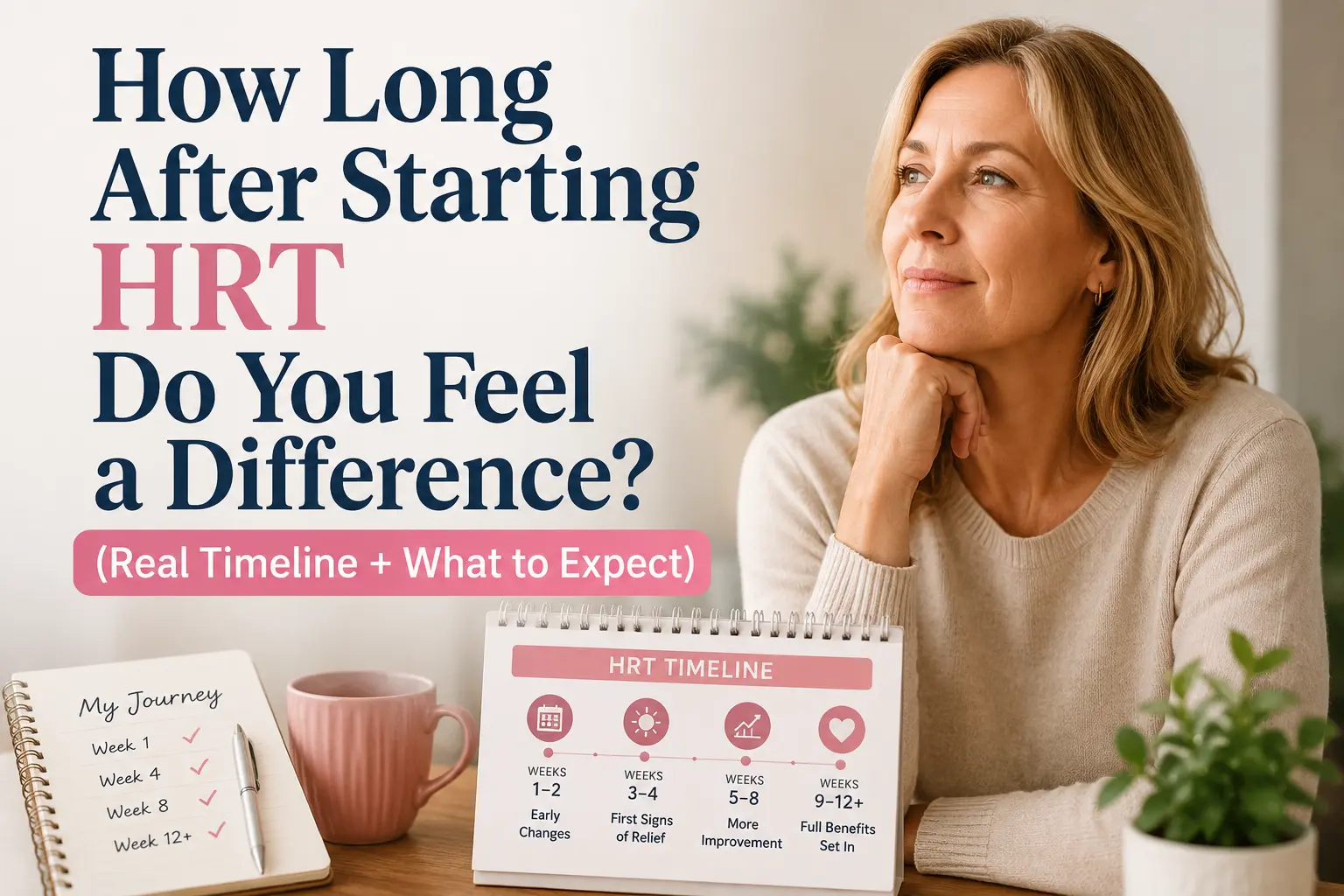
Horizontal featured image of a calm, confident middle-aged woman in soft natural light with a clean background, overlaid text reading “How Long After Starting HRT Do You Feel a Difference? (Real Timeline + What to Expect)”.

Starting hormone replacement therapy (HRT) is a big step and one of the first questions most people have is:

“When will I actually feel better?”

Here’s the honest, straightforward answer:

Most people notice some changes within 2–4 weeks, but it usually takes 8–12 weeks to feel the full benefits.

That said, HRT doesn’t flip a switch overnight.

Some symptoms improve quickly, others take longer, and your experience depends on your body, your hormone levels, and your treatment plan.

Let’s break it down so you know exactly what to expect.


SEE HOW HRT CAN HELP YOU!


How Long Does HRT Take to Work?


HRT works by gradually restoring hormone levels, not instantly correcting them.

A realistic timeline looks like this:

  • Early changes: 2–4 weeks
  • Noticeable improvement: 4–8 weeks
  • Full results: 8–12 weeks (sometimes longer)

If you don’t feel much in the first couple of weeks, that’s normal. 

Your body is still adjusting.


HRT Timeline: Week-by-Week


Let’s take a look at a typical HRT timeline across the weeks after starting:


Weeks 1–2: Subtle Early Changes


This phase is often quiet.

You might notice:

  • Slightly better sleep
  • A small improvement in mood
  • Less intense hot flashes (for some)

Or you may not notice anything yet, and that’s completely normal.


Weeks 3–4: First Signs It’s Working


This is when many people start to feel something shifting.

Common changes:

  • Hot flashes and night sweats begin to decrease
  • Sleep becomes more consistent
  • Mood feels a bit more stable

This is often the point where people think, “Okay, this might be working.”


Weeks 5–8: More Consistent Improvement


Changes become easier to notice and more reliable.

You may experience:

  • Fewer temperature swings
  • More steady energy
  • Improved focus and mental clarity
  • Less anxiety or irritability


Weeks 9–12: Real, Noticeable Difference


This is where HRT starts to feel meaningful in everyday life.

You may notice:

  • Stable mood throughout the day
  • Deeper, more restful sleep
  • Increased libido
  • Reduced joint discomfort


3+ Months: Long-Term Benefits Build


Some benefits take longer, but they continue to improve over time.

These include:

  • Ongoing relief from joint pain
  • Skin and hair changes
  • Support for bone health and metabolism


How Long Each Symptom Takes to Improve


Not all symptoms respond at the same pace.

Here’s what most people experience:

  • Hot flashes & night sweats: 2–4 weeks
  • Sleep issues: 2–6 weeks
  • Mood & anxiety: 4–8 weeks
  • Brain fog & focus: 4–8 weeks
  • Libido: 6–12+ weeks
  • Joint pain: 8–12 weeks

If one symptom improves before another, that’s completely normal.

HRT works in stages.


Why Your Timeline May Be Faster or Slower


No two people respond to HRT the same way.

Here’s why your experience may differ:


Your Starting Hormone Levels


If your hormone levels are very low, it can take longer to rebuild and feel the effects.


Type of HRT


Different forms absorb differently:

  • Patches and creams provide steady hormone levels
  • Pills can take longer to stabilize
  • Pellets release hormones gradually over time


Dosage


If your dose is too low, you may not feel much at first.

Adjustments are common and expected.


Your Body’s Absorption


Everyone metabolizes hormones differently, which affects how quickly you feel results.


Lifestyle Factors


Sleep quality, stress levels, diet, and activity all play a role in how your body responds.


Signs Your HRT Is Working


Early improvements are often subtle, but they matter.

Look for:

  • You’re sleeping better than before
  • Hot flashes are less frequent or intense
  • Your mood feels more stable
  • You have more consistent energy

These small changes usually come before bigger, more noticeable results.


Signs Your HRT May Need Adjustment


It’s very common to adjust HRT in the beginning.

You may need a change if:

  • You feel no improvement after 8–12 weeks
  • Your symptoms are getting worse
  • Side effects don’t go away
  • You still feel off or unbalanced

HRT is not one-size-fits-all.

Fine-tuning is part of the process.


What’s Normal (and What’s Not) in the Beginning


Let’s take a look at what is typically common and uncommon when starting


What’s Normal


  • Gradual improvement, not instant results
  • Mild side effects early on (like slight bloating or breast tenderness)
  • Some symptoms improving faster than others


What’s Not Normal


  • No improvement at all after a few months
  • Symptoms becoming significantly worse
  • Side effects that don’t settle over time

If something doesn’t feel right, it’s worth checking in.


What to Expect in the First 3 Months


The first 90 days are all about finding your balance.

During this time:

This period is less about perfection and more about progress.


When to Talk to a Provider


You don’t need to just wait it out if something feels off.

Reach out if:

  • You’re not seeing progress after a couple of months
  • Your symptoms are still affecting your daily life
  • You’re unsure if your experience is normal

Getting the right adjustments can make a big difference.


How Amari Health Helps You Get Better Results


One of the biggest reasons people don’t see results with HRT is lack of personalization.

At Amari Health, the approach focuses on:

  • Understanding your specific hormone levels
  • Matching treatment to your symptoms
  • Adjusting your plan based on how you actually feel

This kind of tailored care helps you move from guessing to real progress.


CONTACT US


The Bottom Line: How Long After Starting HRT Do You Feel a Difference


Most people feel some improvement within 2–4 weeks, with more noticeable results building over 8–12 weeks.

If it feels slow at first, that’s normal.

Hormone therapy works gradually, but with the right approach, those small changes turn into real, lasting improvements.

The key is patience, consistency, and making adjustments when needed.


SCHEDULE A CONSULTATION


FAQ: How Long After Starting HRT Do You Feel a Difference


How soon after starting HRT will I lose weight?


Weight loss isn’t usually immediate with HRT. Some people notice small changes in the first few weeks, especially with reduced bloating or better energy, but studies show meaningful changes in body composition often take a few months. HRT can support metabolism and make it easier to lose weight, but results depend on diet, activity, and overall health.


What does the first week of HRT feel like?


The first week is often subtle. Some people feel slightly calmer or sleep a bit better, while others notice no difference at all. Mild side effects like bloating or breast tenderness can happen early on, but many people don’t feel noticeable changes until a few weeks in.


Do hot flashes get worse when you first start HRT?


Most people find that hot flashes improve with HRT, but in some cases, symptoms may briefly feel the same or slightly more noticeable during the first couple of weeks as the body adjusts. This usually settles as hormone levels stabilize.


What are the first signs of estrogen working?


Early signs often include better sleep, fewer or less intense hot flashes, and a more stable mood. These changes can be subtle at first but are usually the first indicators that estrogen levels are improving.


Does HRT make you tired when you first start it?


Some people feel slightly tired in the beginning as their body adjusts, while others feel more energized. This usually improves within a few weeks. If fatigue continues, it may be a sign that your dose or timing needs to be adjusted.

Watch Our Workshop Video

Fill out the form below to get instant access to our full workshop video. Discover valuable insights and strategies that you can start applying right away!

Name(Required)

Is Bio-Identical HRT Safe for Women?

Concerns around hormone therapy largely stem from the Women’s Health Initiative (WHI) study conducted over two decades ago. However, it’s important to note that the WHI studied synthetic, non-human hormones—specifically horse-derived hormones which were later shown to have harmful effects.

Since then, a growing body of research on bio-identical hormones—which are structurally identical to those naturally produced by the human body—has found no increased risk of chronic disease. These safer, plant-derived hormones have become a trusted, evidence-based option for women seeking to restore balance and relieve symptoms.