Post Content
Post Contents
Follow Us

HRT for PCOS: Can Hormone Therapy Help With Symptoms?

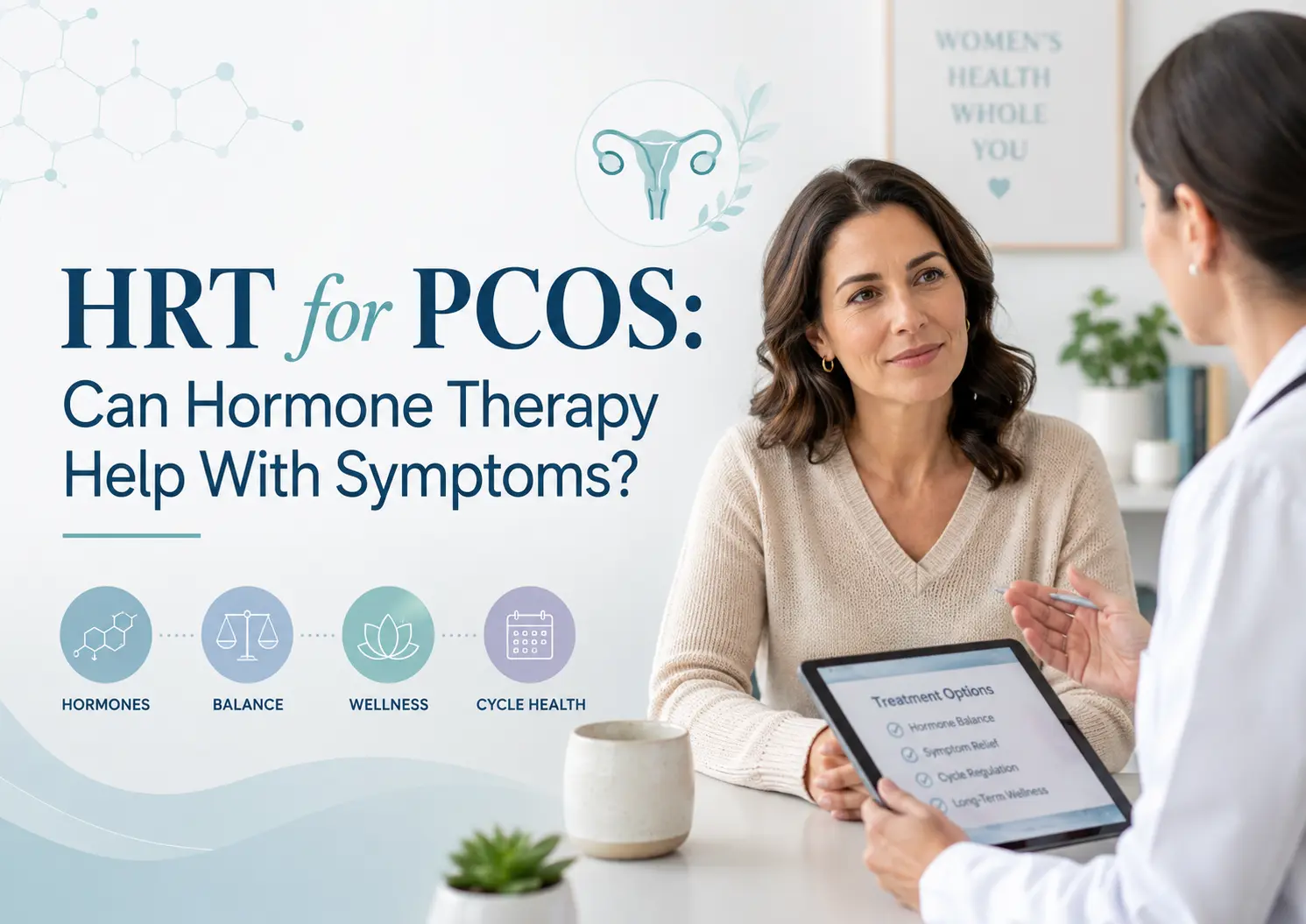
Woman seated across from a healthcare provider in a wellness clinic discussing HRT for PCOS, with a tablet showing treatment options and graphics for hormones, balance, wellness, and cycle health beside the article title “HRT for PCOS: Can Hormone Therapy Help With Symptoms?”
Post Contents

If you have PCOS and keep seeing people talk about HRT, hormone therapy, progesterone, estrogen, birth control, or “balancing hormones,” it can get confusing fast.

Some people use the term HRT to mean menopause hormone replacement therapy.

Others use it more broadly to describe any treatment that affects estrogen, progesterone, testosterone, or other hormones.

With PCOS, that difference matters.

HRT for PCOS may help some people, but the right approach depends on your age, symptoms, cycle pattern, hormone levels, health history, and whether you are trying to get pregnant.

For many reproductive-age women with PCOS, the treatment is not classic menopause HRT.

It may involve combined hormonal birth control, cyclic progesterone or progestin, metabolic care, anti-androgen support, lifestyle changes, or a personalized hormone-balancing plan.

For women in perimenopause or menopause, HRT may be considered for symptoms like hot flashes, night sweats, sleep changes, vaginal dryness, mood shifts, and low estrogen symptoms.

If you also have PCOS, your provider should look at the full picture, including androgen levels, insulin resistance, cardiovascular risk, uterine health, and how your symptoms have changed over time.

At Amari Health in Scarsdale, NY, PCOS care is not about guessing which hormone is “off.”

It is about understanding why your symptoms are happening and building a plan around your body, your labs, and your goals.


SEE HOW HRT CAN HELP YOU


Quick Answer: Can HRT Help PCOS?

HRT may help some people with PCOS, but it depends on what symptoms are being treated.

For reproductive-age women, hormone therapy often means birth control pills, cyclic progesterone, or progestin therapy rather than classic menopause HRT.

For women in perimenopause or menopause, HRT may help low-estrogen symptoms, but PCOS-related androgen and metabolic issues still need to be addressed.

Hormone therapy may be useful for irregular periods, uterine lining protection, acne, unwanted hair growth, and some menopause-related symptoms.

However, PCOS is not only an estrogen or progesterone issue.

It can also involve high androgens, irregular ovulation, insulin resistance, inflammation, weight changes, and long-term metabolic risk.

That is why the best treatment plan starts with a full evaluation, not a guess.


What Is PCOS?

PCOS stands for polycystic ovary syndrome.

Some medical sources are beginning to use the term polyendocrine metabolic ovarian syndrome, or PMOS, because the condition often involves more than the ovaries.

It can affect hormones, metabolism, skin, hair, weight, mood, cycles, and long-term health risk.

Many patients and providers still use the term PCOS, so that is the term used throughout this article.

Mayo Clinic now refers to the condition as PMOS while noting the same pattern of hormone imbalance, irregular periods, and ovarian changes.

PCOS is commonly associated with irregular periods, missed periods, heavy or unpredictable bleeding, acne, oily skin, excess facial or body hair, scalp hair thinning, weight gain, difficulty losing weight, insulin resistance, fatigue, mood changes, trouble with ovulation, and fertility challenges.

Not every person with PCOS has ovarian cysts, and not every person has the same symptoms.

One woman may mainly struggle with irregular periods and acne.

Another may have normal-looking skin but significant insulin resistance and weight changes.

Another may not realize she has PCOS until she starts trying to conceive.

That is why PCOS treatment should not be one-size-fits-all.


How PCOS Is Diagnosed Before Hormone Treatment

Before talking about HRT for PCOS, it helps to confirm what is actually being treated.

PCOS is usually diagnosed by looking at symptoms, cycle patterns, androgen signs or lab results, and sometimes ultrasound findings.

Providers may also run tests to rule out other conditions that can cause similar symptoms, such as thyroid disorders, high prolactin, adrenal conditions, or other hormone changes.

A proper evaluation may include:

  • Cycle history
  • Bleeding patterns
  • Acne, hair growth, or hair thinning patterns
  • Weight and metabolic history
  • Pregnancy goals
  • Testosterone and other androgen markers
  • Thyroid testing
  • A1C, glucose, and insulin markers
  • Cholesterol
  • Blood pressure
  • Medication and supplement review

This step matters because irregular periods, acne, weight gain, fatigue, mood changes, and hair thinning can come from more than one cause.

Starting hormones without understanding the bigger picture can make it harder to know what is helping and what still needs attention.


What Does “HRT for PCOS” Actually Mean?

This is where many people get stuck.

“HRT” usually stands for hormone replacement therapy.

In standard medical use, HRT often refers to estrogen, progesterone, or a combination of hormones used during perimenopause or menopause when natural hormone levels decline.

But online, many people use HRT more loosely.

They may use it to describe birth control pills, progesterone therapy, bioidentical hormones, testosterone therapy, or general hormone-balancing treatment.

With PCOS, those are not all the same thing.

Menopause HRT

Menopause HRT is usually used when estrogen levels have declined and symptoms are interfering with quality of life.

It may involve estrogen alone or estrogen with progesterone, depending on whether a woman still has her uterus.

Combined Hormonal Birth Control

Combined hormonal birth control contains estrogen and progestin.

In PCOS, it is often used to regulate periods, reduce androgen activity, help acne, and lower excess hair growth over time.

Cyclic Progesterone or Progestin Therapy

Some women with PCOS do not ovulate regularly.

When ovulation does not happen, progesterone may remain low or inconsistent.

Cyclic progesterone or progestin therapy may be used to trigger more predictable bleeding and help protect the uterine lining.

One study noted that progestin therapy can help regulate periods and protect against endometrial cancer, but it does not improve androgen levels or prevent pregnancy.

Bioidentical Hormone Therapy

Bioidentical hormones are designed to be structurally similar to hormones made by the body.

Some women ask about bioidentical hormone therapy for PCOS because they want a more personalized approach than standard birth control.

Whether this makes sense depends on your symptoms, hormone levels, cycle pattern, and safety profile.

Bioidentical does not automatically mean right for every person.

It still needs to be monitored carefully.

Testosterone Therapy

Testosterone is already often elevated in PCOS.

Because of that, testosterone therapy is not usually the answer for reproductive-age women with androgen-dominant PCOS symptoms like acne, facial hair growth, or scalp hair thinning.

There are exceptions in specific settings, such as certain menopause cases or gender-affirming care, but this needs careful medical evaluation.


HRT vs Birth Control vs Progesterone for PCOS

Many people ask whether HRT and birth control are the same thing.

They are related, but they are not identical.

Option Common Use in PCOS May Help With Does It Prevent Pregnancy?
Combined hormonal birth control Cycle regulation and androgen symptoms Irregular periods, acne, unwanted hair growth, uterine lining protection Yes
Cyclic progesterone or progestin More predictable bleeding and uterine lining protection Infrequent or absent periods Not always
Menopause HRT Perimenopause or menopause symptoms Hot flashes, night sweats, sleep issues, vaginal dryness, low estrogen symptoms No
Metformin Metabolic support Insulin resistance, blood sugar patterns, metabolic health, sometimes ovulation support No
Anti-androgen medication Androgen-related symptoms Acne, facial hair growth, scalp hair thinning No, but pregnancy prevention is usually discussed because of fetal risk

The right option depends on your symptoms and goals.

If you are trying to prevent pregnancy and manage acne, one option may make sense.

If you are trying to conceive, that same option may not fit your goal.

If you are in menopause and dealing with hot flashes, your plan will be different again.


How PCOS Affects Estrogen, Progesterone, Testosterone, and Insulin

PCOS is often described as a hormone imbalance, but that phrase can be too vague.

The main hormone and metabolic patterns may include high androgens, irregular ovulation, inconsistent progesterone, insulin resistance, and altered estrogen-progesterone signaling.

Testosterone and Other Androgens

Androgens are hormones such as testosterone and DHEA-S.

Everyone has androgens, but in PCOS, they may be elevated or more active than normal.

High androgen activity may contribute to acne, oily skin, facial hair growth, body hair growth, scalp hair thinning, and irregular ovulation.

Lowering androgen effects is one reason combined hormonal contraceptives and anti-androgen medications are sometimes used in PCOS care.

Progesterone and Irregular Ovulation

Ovulation is when the ovary releases an egg.

If you do not ovulate regularly, your periods may become irregular, delayed, absent, or unpredictable.

Irregular ovulation can also affect progesterone.

Progesterone usually rises after ovulation.

If ovulation does not happen consistently, progesterone may not rise in a steady pattern.

This is one reason some women with PCOS are prescribed cyclic progesterone or progestin therapy.

Estrogen and the Uterine Lining

PCOS does not always mean estrogen is low.

Some women with PCOS may have ongoing estrogen exposure without regular progesterone-driven shedding of the uterine lining.

When periods are very infrequent, the uterine lining may build up over time.

This is one reason providers often take irregular or absent periods seriously in PCOS care.

Insulin Resistance

Many people with PCOS have insulin resistance.

This means the body has to produce more insulin to keep blood sugar regulated.

High insulin can worsen androgen production and make weight management more difficult.

This is why PCOS care often includes nutrition, movement, sleep, stress support, and sometimes medication aimed at metabolic health.


How Hormone Therapy May Help PCOS Symptoms

Hormone therapy may help certain PCOS symptoms, especially when symptoms are related to irregular cycles, androgen activity, or low estrogen during perimenopause or menopause.

It is not usually the whole answer by itself.

PCOS Concern Could Hormone Therapy Help? What Else May Need Attention?
Irregular periods Yes, in some cases Ovulation, uterine lining health, progesterone patterns
Acne Sometimes Androgens, inflammation, skin care, medication options
Facial hair growth Sometimes Androgens, hair removal, anti-androgen support
Hair thinning Sometimes, depending on the cause Testosterone, DHT sensitivity, thyroid, iron, nutrition
Weight gain Not usually as a stand-alone treatment Insulin resistance, metabolic health, sleep, nutrition, muscle mass
Fertility Not usually as the main treatment Ovulation support, metabolic health, fertility planning
Perimenopause symptoms Possibly Estrogen decline, progesterone, sleep, mood, metabolic risk
Menopause symptoms Possibly Low estrogen symptoms, uterine protection, personal risk factors

Irregular Periods

Irregular periods are one of the most common reasons people with PCOS ask about hormone therapy.

Depending on your situation, a provider may consider combined hormonal birth control, cyclic progesterone, progestin therapy, or another strategy to create more predictable bleeding.

This can help reduce the stress of not knowing when your period will come.

It may also support uterine lining protection when periods are very infrequent.

However, regulating bleeding is not the same as fixing every part of PCOS.

You may still need support for insulin resistance, inflammation, thyroid function, stress, sleep, or androgen-related symptoms.

Acne and Oily Skin

PCOS-related acne is often connected to androgen activity.

Hormone therapy that lowers androgen effects may help some women see fewer breakouts over time.

This usually takes patience.

Skin changes often take several months to respond.

If acne is severe, painful, or persistent, your provider may also discuss dermatology support, nutrition, gut health, inflammation, stress, or other medication options.

Facial Hair or Excess Body Hair

Excess hair growth, also called hirsutism, is another common androgen-related symptom.

Combined hormonal contraceptives may help reduce androgen activity, but hair growth changes slowly.

Existing coarse hair may not disappear on its own.

Some women also need hair removal treatments, anti-androgen medication, or additional hormone evaluation.

Australian Prescriber notes that the combined oral contraceptive pill is commonly used as first-line pharmacological therapy for irregular periods and clinical hyperandrogenism, including hirsutism and acne.

Hair Thinning

Scalp hair thinning in PCOS is often related to androgen sensitivity.

This is different from general shedding due to stress, thyroid issues, low iron, low protein intake, illness, or rapid weight loss.

If hair thinning is one of your main symptoms, it is important to look deeper than estrogen and progesterone.

Your provider may want to assess androgens, thyroid function, iron status, nutrition, stress, medication history, and scalp health.

Weight Gain or Difficulty Losing Weight

HRT is not a primary weight-loss treatment for PCOS.

Weight changes in PCOS are often connected to insulin resistance, blood sugar regulation, inflammation, sleep quality, stress hormones, nutrition, muscle mass, and activity level.

Hormone support may be part of a broader plan if your labs and symptoms point in that direction, but it should not be presented as a stand-alone fix for PCOS-related weight gain.

At Amari Health, this is where a whole-body approach matters.

If your hormones, blood sugar, gut health, stress response, and inflammation are all influencing each other, treating only one piece may not give you the results you want.

Mood, Sleep, and Fatigue

PCOS can affect how you feel day to day.

Some women experience anxiety, irritability, low mood, poor sleep, fatigue, or brain fog.

These symptoms may come from several overlapping issues, including hormone fluctuations, insulin resistance, inflammation, blood sugar swings, poor sleep quality, nutrient deficiencies, thyroid dysfunction, high stress, or perimenopause.

Hormone therapy may help if symptoms are connected to estrogen or progesterone changes, but it should be guided by a proper evaluation rather than symptoms alone.


HRT for PCOS Before Menopause: What to Know

For women who are still in their reproductive years, “HRT for PCOS” usually does not mean replacing hormones lost to menopause.

Instead, treatment often focuses on regulating periods, reducing androgen symptoms, protecting the uterine lining, supporting ovulation if pregnancy is desired, improving insulin sensitivity, supporting weight and metabolic health, reducing acne or unwanted hair growth, and lowering long-term risks connected to PCOS.

In this stage, your provider may talk about combined hormonal contraception, cyclic progesterone, progestin therapy, metformin, anti-androgen medication, nutrition, strength training, sleep support, stress management, or fertility-focused care.

The right plan depends on your main goal.

If you want fewer breakouts and more predictable periods, your plan may look different than someone who is trying to conceive.

If your biggest concern is weight gain and insulin resistance, your plan may look different than someone whose main symptom is heavy bleeding.

That is why testing and context matter.


HRT for PCOS During Perimenopause

Perimenopause can be especially confusing for women with PCOS.

PCOS can already cause irregular periods, mood changes, sleep problems, weight changes, and hair concerns.

Perimenopause can cause many of those same symptoms.

That means you may wonder: is this my PCOS, perimenopause, or both?

During perimenopause, estrogen and progesterone can fluctuate.

Periods may become more unpredictable.

Sleep may worsen.

Anxiety, irritability, hot flashes, night sweats, vaginal dryness, lower libido, and brain fog may appear.

If you have PCOS, androgen symptoms and insulin resistance may still be part of the picture.

You may also notice that weight feels harder to manage, especially around the midsection.

In this stage, HRT may be considered for perimenopause symptoms, but your provider should also assess PCOS-related risks and patterns.

A thoughtful plan may include hormone testing, metabolic testing, nutrition support, strength training, sleep support, and symptom tracking.


HRT for PCOS After Menopause: Can You Take It?

PCOS does not always simply disappear after menopause.

Some symptoms may shift.

Periods stop, so irregular cycles are no longer the main concern.

But androgen-related hair changes, weight changes, insulin resistance, cholesterol concerns, and cardiovascular risk may still matter.

After menopause, HRT may be considered for symptoms such as hot flashes, night sweats, poor sleep, mood changes, vaginal dryness, pain with intercourse, low libido, brain fog, joint discomfort, and other low-estrogen symptoms.

If a woman still has her uterus, estrogen therapy is usually paired with progesterone or a progestogen to protect the uterine lining.

That decision should be made with a qualified provider after reviewing personal risk factors.

For women with a history of PCOS, menopause hormone therapy should be personalized.

The goal is not just to replace estrogen.

It is to understand the full hormonal and metabolic picture.


Can HRT Help PCOS Fertility?

HRT is not usually the main fertility treatment for PCOS.

If you are trying to get pregnant, the focus is usually on ovulation, egg release, metabolic health, and cycle timing.

Some hormone therapies may prevent ovulation while you are taking them, which means they would not be used when actively trying to conceive.

Mayo Clinic lists options such as letrozole, clomiphene, metformin, and gonadotropins among treatments that may be considered when the goal is ovulation or pregnancy.

That does not mean hormones are irrelevant.

It means the plan needs to match the goal.

If you have PCOS and want to get pregnant now or in the near future, tell your provider before starting any hormone therapy. Fertility goals should shape the treatment plan from the beginning.


Is HRT Safe If You Have PCOS?

HRT or hormone therapy can be appropriate for some people with PCOS, but it is not right for everyone.

A provider should review factors such as:

  • Personal or family history of blood clots
  • Migraine with aura
  • Smoking status
  • Blood pressure
  • Cholesterol
  • Liver disease
  • History of hormone-sensitive cancer
  • Unexplained vaginal bleeding
  • Pregnancy goals
  • Uterine health
  • Weight and metabolic risk
  • Current medications
  • Age and menopause status

This does not mean you should be afraid of hormone therapy.

It means hormones should be used with a clear reason, proper testing, and follow-up.

PCOS is already complex.

Adding hormones without understanding your baseline can make it harder to know what is helping, what is not, and what needs to change.


What Should Be Checked Before Considering HRT for PCOS?

Before starting hormone therapy for PCOS, it helps to understand what is happening in your body.

Depending on your symptoms, your provider may evaluate:

  • Cycle history
  • Bleeding patterns
  • Acne, hair growth, or hair loss patterns
  • Pregnancy goals
  • Current medications and supplements
  • Blood pressure
  • Family and personal health history
  • Testosterone and other androgen markers
  • Estrogen and progesterone patterns
  • Thyroid markers
  • A1C and glucose
  • Fasting insulin
  • Cholesterol
  • Inflammation markers when appropriate
  • Nutrient status when relevant
  • Stress, sleep, and lifestyle factors

At Amari Health, PCOS care is built around personalized evaluation.

Amari’s PCOS page describes care that uses clinical therapies and lifestyle optimization to address hormonal imbalances, with personalized care aimed at supporting hormone balance.

That type of approach matters because two women can both have PCOS and need very different care.

One may need help with insulin resistance.

Another may need androgen support.

Another may need progesterone support for irregular cycles.

Another may need perimenopause care.

Another may need fertility-focused treatment.

The diagnosis may be the same, but the plan should not be copied and pasted.


SEE IF HRT IS RIGHT FOR YOU


What to Ask Your Provider Before Starting HRT for PCOS

Before starting HRT or hormone therapy for PCOS, it helps to ask direct questions.

Ask what type of hormone therapy is being recommended and why.

Ask whether the goal is to regulate bleeding, reduce androgen symptoms, protect the uterine lining, support menopause symptoms, or address something else.

You may also want to ask:

  • Will this help my specific symptoms?
  • Will this affect ovulation or pregnancy?
  • Does this address insulin resistance?
  • Do I need progesterone for uterine protection?
  • What labs should be checked first?
  • How long should it take to notice changes?
  • What side effects should I watch for?
  • How will we know if the plan is working?
  • What happens if I want to stop?

A clear treatment plan should explain the reason for the therapy, what it is expected to help, what it will not fix, and how your provider will monitor your response.


PCOS Hormone Care in Scarsdale, NY

If you are looking for PCOS and hormone therapy in Scarsdale, NY, or the Westchester County area, Amari Health takes a root-cause approach to PCOS, hormone imbalance, and metabolic health.

Instead of looking at one symptom in isolation, the team considers how hormones, insulin, inflammation, gut health, lifestyle, sleep, stress, and aging may be interacting.

For women in Scarsdale, Westchester County, and the surrounding New York area, Amari Health offers personalized care for PCOS issues, hormone symptoms, perimenopause, menopause, weight concerns, fatigue, and related symptoms.

This can be especially helpful if you have been told to “just lose weight,” “just take birth control,” or “everything looks normal,” even though you still do not feel like yourself.


CONTACT US


The Bottom Line on HRT for PCOS

HRT for PCOS is not a simple yes-or-no topic.

Hormone therapy may help some people with PCOS, especially when the goal is to regulate bleeding, protect the uterine lining, reduce androgen-related symptoms, or manage perimenopause and menopause symptoms.

But PCOS is not only an estrogen or progesterone problem.

It can involve androgens, insulin resistance, inflammation, ovulation issues, stress, sleep, thyroid health, gut health, and long-term metabolic risk.

The best plan depends on your body, your symptoms, your labs, your age, and your goals.

If you are considering HRT for PCOS, the safest next step is not to guess.

It is to get a full evaluation and work with a provider who understands both hormone health and the broader metabolic picture.

Amari Health helps women take a more personalized approach to PCOS and hormone imbalance, with care designed to uncover what your body is trying to tell you and build a plan that supports long-term wellness.


SCHEDULE A CONSULTATION


FAQs

Can HRT help PCOS?

HRT or hormone therapy may help some PCOS symptoms, especially irregular bleeding, uterine lining protection, acne, unwanted hair growth, and perimenopause or menopause symptoms. The right approach depends on your age, cycle pattern, hormone levels, symptoms, health history, and pregnancy goals.

Is HRT the same as birth control for PCOS?

No. Many people use the term HRT loosely, but birth control and menopause HRT are different. Combined hormonal birth control may be used in reproductive-age women with PCOS to regulate cycles and reduce androgen symptoms. Menopause HRT is usually used when estrogen levels decline during perimenopause or menopause.

Does progesterone help PCOS?

Progesterone or progestin therapy may help some women with PCOS have more predictable bleeding and protect the uterine lining when periods are infrequent. However, progesterone alone usually does not lower androgen symptoms such as acne, facial hair growth, or scalp hair thinning.

Does estrogen help PCOS?

Estrogen-containing therapy may help some PCOS symptoms when used as part of combined hormonal contraception. It may help regulate bleeding and reduce androgen activity. In menopause, estrogen therapy may help low-estrogen symptoms such as hot flashes, night sweats, sleep problems, and vaginal dryness. It should be personalized and monitored by a provider.

Can HRT help PCOS weight gain?

HRT is not a primary weight-loss treatment for PCOS. PCOS-related weight changes are often tied to insulin resistance, blood sugar regulation, inflammation, sleep, stress, nutrition, and muscle mass. Hormone support may be one part of care if indicated, but metabolic health usually needs to be addressed directly.

Can PCOS symptoms continue after menopause?

Yes, some PCOS-related concerns can continue after menopause, especially androgen-related hair changes, weight changes, insulin resistance, cholesterol concerns, and metabolic risk. Period irregularity is no longer a symptom after menopause, but the broader hormone and metabolic picture can still matter.

What are the signs you need hormone replacement therapy?

You may want to discuss hormone replacement therapy with a healthcare provider if hot flashes, night sweats, disrupted sleep, vaginal dryness, painful sex, mood changes, or other perimenopause or menopause symptoms are affecting your comfort or daily life. These symptoms do not automatically mean that you need HRT, since the right treatment depends on their severity, your health history, personal risk factors, and preferences.

Not Sure Where to Start?

Lorem ipsum dolor sit amet consectetur. Et ultrices nunc donec placerat. In velit mattis ac arcu vitae tortor ullamcorper.

keep learning

Lorem ipsum dolor sit amet consectetur. Et ultrices nunc donec placerat.

Functional medicine doctor reviewing patient notes with healthy foods, supplements, and lab testing equipment, with text overlay “What Does a Functional Medicine Doctor Do?”

A functional medicine doctor identifies and treats the root causes of health concerns by evaluating how lifestyle, nutrition, hormones, genetics, environment, and daily habits influence overall health.

Instead of only managing symptoms, functional medicine focuses on improving how body systems function together to support long-term wellness.

Functional medicine doctors aim to understand why symptoms occur, not just what diagnosis matches them.

This approach often looks at how digestion, hormone balance, immune function, metabolism, and stress responses interact.

Many people seek functional medicine when they experience ongoing symptoms such as fatigue, hormone imbalance, digestive issues, inflammation, or other health changes that have not fully improved with conventional treatment alone.


SEE HOW FUNCTIONAL MEDICINE CAN HELP YOU


What Is Functional Medicine?


Functional medicine is a patient-centered approach that focuses on identifying underlying imbalances contributing to symptoms.

It considers the whole person rather than focusing on a single symptom or diagnosis.

Instead of treating symptoms in isolation, functional medicine evaluates how different systems in the body influence each other.

For example:

A conventional approach may treat headaches with medication.

A functional medicine approach may explore possible contributing factors such as:

  • hormone fluctuations
  • nutrient deficiencies
  • chronic stress
  • inflammation
  • gut health imbalance
  • poor sleep patterns
  • blood sugar changes

Functional medicine is often referred to as root-cause medicine because it seeks to identify deeper contributors to health concerns.


How Does Functional Medicine Work?


Functional medicine works by analyzing patterns in the body rather than focusing on a single symptom.

Practitioners evaluate how key systems interact, including:

  • digestive system
  • hormone system
  • immune system
  • nervous system
  • metabolic system

These systems are interconnected.

When one area becomes imbalanced, other systems may also be affected.

For example, chronic stress may influence hormone balance, sleep quality, digestion, and inflammation levels.

By identifying these connections, functional medicine doctors create personalized care plans designed to support overall health improvement.


What Does a Functional Medicine Doctor Do? (Step-by-Step)


Although each practitioner may have a slightly different approach, most functional medicine doctors follow a structured process.


1. Review Your Complete Health History


Functional medicine appointments often involve a more detailed review of your health history than a standard medical visit.

Discussion topics may include:

  • previous medical conditions
  • family health history
  • diet patterns
  • sleep quality
  • stress levels
  • lifestyle habits
  • environmental exposures
  • medications and supplements
  • timeline of symptoms

Understanding patterns over time can help identify possible contributing factors.


2. Identify Possible Root Causes


Functional medicine focuses on identifying underlying factors that may influence symptoms.

Common contributors may include:

  • chronic inflammation
  • hormone imbalance
  • gut microbiome imbalance
  • nutrient deficiencies
  • blood sugar dysregulation
  • immune system dysfunction
  • chronic stress response
  • environmental exposures

Addressing these factors may support improvements across multiple symptoms.


3. Use Specialty or Advanced Testing


Functional medicine doctors may recommend testing to better understand how the body is functioning.

Testing may include:

  • hormone levels
  • thyroid markers
  • vitamin and mineral levels
  • gut health markers
  • inflammation markers
  • metabolic markers
  • food sensitivity testing

These results help guide personalized recommendations.


4. Create a Personalized Treatment Plan


Treatment plans are tailored to each individual’s symptoms, goals, and health history.

Recommendations may include:

  • nutrition adjustments
  • lifestyle changes
  • targeted supplementation
  • stress management strategies
  • sleep optimization
  • physical activity guidance

Plans are typically designed to be practical and sustainable.


5. Monitor Progress Over Time


Functional medicine focuses on gradual, long-term health improvements.

Doctors often monitor progress and adjust recommendations based on how symptoms change over time.

This ongoing process allows care plans to evolve as health improves.


Examples of Functional Medicine in Practice


Functional medicine often looks at how multiple factors may influence symptoms.

  • Example 1: A person experiencing fatigue may have contributing factors such as nutrient deficiencies, poor sleep quality, or blood sugar imbalance.
  • Example 2: Digestive symptoms such as bloating may be linked to gut microbiome imbalance, food sensitivities, or stress response.
  • Example 3: Hormone symptoms such as mood changes or irregular cycles may be influenced by stress levels, inflammation, or metabolic health.

These examples illustrate how functional medicine focuses on identifying connections between symptoms and underlying imbalances.


What Conditions Do Functional Medicine Doctors Treat?


Functional medicine is commonly used to support chronic symptoms, ongoing health concerns, and preventative care.


Hormone Imbalance


  • menopause symptoms
  • low testosterone
  • thyroid imbalance
  • adrenal imbalance
  • irregular menstrual cycles
  • PCOS symptoms


Digestive Health Concerns


  • bloating
  • constipation
  • diarrhea
  • IBS symptoms
  • food sensitivities
  • gut microbiome imbalance
  • acid reflux


Chronic Fatigue and Brain Fog


  • persistent tiredness
  • low energy
  • poor stress recovery
  • mental fog


Autoimmune Conditions


  • Hashimoto’s thyroiditis
  • rheumatoid arthritis
  • inflammatory immune responses


Metabolic Health Concerns


  • weight changes
  • insulin resistance
  • blood sugar imbalance
  • metabolic syndrome


Inflammation-Related Symptoms


  • joint discomfort
  • headaches
  • skin concerns
  • immune imbalance
  • Migraines


Sleep and Stress-Related Concerns


  • difficulty sleeping
  • chronic stress response
  • nervous system imbalance

Functional medicine may also be used for general wellness and prevention.


How Functional Medicine Is Different From Conventional Medicine


Functional medicine and conventional medicine serve different roles in healthcare.

Functional medicine often complements traditional care by providing a broader view of long-term health patterns.

Conventional Medicine Functional Medicine
Focuses on diagnosis Focuses on root causes
Often symptom-based Systems-based approach
Shorter appointments Longer, more detailed visits
Standardized treatment protocols Personalized care plans
Medication-focused Lifestyle-focused support
Reactive care Preventative approach

Both approaches can be valuable depending on individual health needs.


What Happens During a Functional Medicine Appointment?


The first appointment is often more in-depth than a standard visit.

Topics discussed may include:

  • health history
  • diet habits
  • stress levels
  • sleep patterns
  • lifestyle habits
  • activity level
  • symptom timeline
  • personal health goals

Some practitioners ask patients to complete questionnaires beforehand.

Follow-up visits typically review progress and adjust recommendations.


Common Treatments Used in Functional Medicine


Functional medicine plans often combine multiple strategies to support health improvement.


Nutrition Support


Nutrition plays an important role in overall health.

Recommendations may focus on:

  • whole foods
  • balanced blood sugar
  • reducing highly processed foods
  • supporting gut health
  • identifying food sensitivities


Lifestyle Adjustments


Daily habits can influence inflammation, hormones, and metabolism.

Recommendations may include:

  • improving sleep routines
  • stress management techniques
  • consistent physical activity
  • reducing environmental exposures


Targeted Supplements


Supplements may be recommended to support nutrient balance or specific body systems.

Examples include:

  • vitamins
  • minerals
  • omega-3 fatty acids
  • probiotics
  • digestive support nutrients

Recommendations are individualized.


Stress and Nervous System Support


Chronic stress can affect digestion, hormones, sleep, and immune function.

Functional medicine often includes strategies to support nervous system balance.

Examples include:

  • mindfulness practices
  • breathing techniques
  • relaxation strategies
  • recovery support


Benefits of Functional Medicine


Potential benefits may include:

  • personalized care
  • deeper understanding of health patterns
  • focus on long-term improvement
  • preventative health support
  • whole-body perspective
  • collaborative care approach

Many individuals appreciate having more time to discuss their symptoms and goals.


Functional Medicine vs Integrative Medicine vs Holistic Medicine


These terms are sometimes used interchangeably, but they have slightly different meanings.


Functional Medicine


Focuses on identifying root causes of symptoms by evaluating body systems and health patterns.


Integrative Medicine


Combines conventional treatments with complementary approaches.


Holistic Medicine


Considers physical, emotional, and lifestyle factors when evaluating health.

All approaches emphasize individualized care.


Who Should See a Functional Medicine Doctor?


Functional medicine may be helpful for individuals who:

  • experience ongoing symptoms without clear answers
  • want a personalized health plan
  • prefer a preventative approach
  • want to better understand contributing factors to symptoms
  • are interested in lifestyle-based care
  • want support for hormone balance or digestive health
  • feel their symptoms may be interconnected

Some individuals seek functional medicine for a more comprehensive understanding of their health.


CONTACT US


Is Functional Medicine Worth It?


Whether functional medicine is worthwhile depends on individual preferences and health goals.

Some individuals value this approach because it:

  • explores possible root causes of symptoms
  • emphasizes long-term health improvement
  • supports prevention strategies
  • focuses on lifestyle factors
  • encourages collaboration between doctor and patient

Functional medicine may be used alongside conventional healthcare depending on individual needs.


How Functional Medicine Supports Long-Term Health


Functional medicine emphasizes improving how body systems function together over time.

By addressing lifestyle habits, nutrition, stress response, and environmental influences, this approach aims to support long-term wellness.

Small, sustainable changes often play an important role in overall health outcomes.

Understanding patterns in the body can help guide more personalized health decisions.


Conclusion: What Does a Functional Medicine Doctor Do


Functional medicine doctors focus on understanding the underlying factors that influence health rather than only managing symptoms.

By evaluating lifestyle habits, nutrition, environment, genetics, and body systems, functional medicine aims to create personalized care plans designed to support long-term wellness.

For individuals looking for a more comprehensive and proactive approach to health, functional medicine can provide additional insight into how different aspects of health are connected.

Identifying potential root causes of symptoms can often be an important step toward improving overall wellbeing.


SCHEDULE A CONSULTATION


FAQ: What Does a Functional Medicine Doctor Do


Why would someone see a functional medicine doctor?


Someone may see a functional medicine doctor when they want a more personalized approach to their health or when symptoms continue despite standard treatment. Functional medicine focuses on identifying underlying factors that may contribute to symptoms such as hormone imbalance, digestive issues, fatigue, inflammation, or metabolic concerns. Many individuals choose this approach to better understand how lifestyle, nutrition, stress, and environment may influence their health.


What are the pros and cons of functional medicine doctors?


One potential benefit of functional medicine is its personalized approach, which often includes longer appointments and a focus on lifestyle factors that influence health. Patients may appreciate the emphasis on prevention and understanding root causes. Possible drawbacks may include limited insurance coverage for certain services, variability in practitioner training, and the need for ongoing lifestyle changes that require commitment. Individual experiences can vary depending on the provider and health goals.


Can functional medicine diagnose?


Functional medicine practitioners can assess symptoms, review medical history, and use laboratory testing to evaluate potential imbalances in the body. Licensed healthcare providers practicing functional medicine may diagnose certain conditions within their scope of practice. Functional medicine often works alongside conventional healthcare when diagnosis or treatment requires additional medical evaluation.


Which is better, integrative or functional medicine?


Integrative medicine and functional medicine both consider the whole person when evaluating health. Integrative medicine combines conventional treatments with complementary therapies, while functional medicine focuses specifically on identifying root causes of symptoms by analyzing body systems and lifestyle factors. The best approach depends on individual preferences, health goals, and the type of care being sought.


What is the purpose of a functional medicine doctor?


The purpose of a functional medicine doctor is to identify factors that may contribute to symptoms and develop personalized care plans that support overall health. By evaluating nutrition, lifestyle habits, stress levels, environment, and body system interactions, functional medicine aims to improve long-term wellness and help individuals better understand their health patterns.

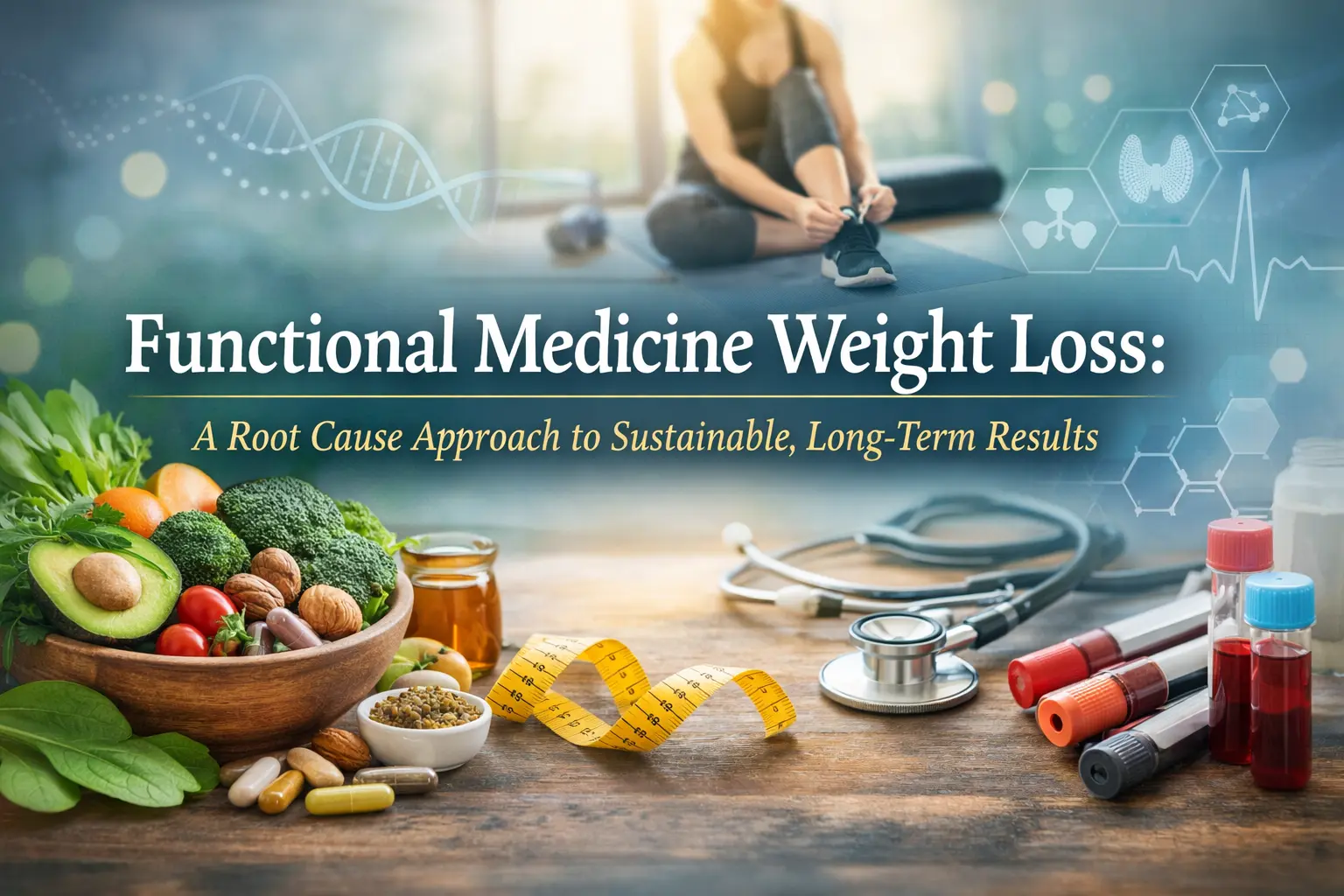
Functional medicine weight loss concept featuring healthy foods, supplements, lab testing tools, measuring tape, and medical symbols representing a root cause approach to sustainable long-term results.

Many people struggling with weight loss feel like they are doing everything right but still not seeing progress.

You may be eating well, exercising consistently, and trying different diets, yet the results don’t last.

Functional medicine weight loss takes a different approach.

Instead of focusing only on calories or short-term dieting strategies, it looks deeper to identify why weight gain or weight loss resistance is happening in the first place.

Functional medicine views weight gain as a symptom of underlying imbalances in the body.

By identifying and addressing root causes such as hormone imbalance, inflammation, gut health issues, insulin resistance, nutrient deficiencies, and metabolic dysfunction, this approach supports sustainable weight loss and overall health improvement.

Rather than forcing the body to lose weight, functional medicine works to help the body function more efficiently so weight loss can happen naturally.


SEE HOW FUNCTIONAL MEDICINE CAN HELP YOU


What Is Functional Medicine Weight Loss?


Functional medicine weight loss is a personalized, whole-body approach that focuses on improving metabolic health.

Instead of using a one-size-fits-all diet plan, functional medicine evaluates the biological, lifestyle, and environmental factors that influence weight.

This approach recognizes that weight gain is often influenced by multiple interconnected factors, including:

  • hormone imbalances
  • insulin resistance
  • thyroid dysfunction
  • gut microbiome imbalance
  • chronic inflammation
  • stress and cortisol dysregulation
  • poor sleep quality
  • nutrient deficiencies
  • genetics
  • lifestyle habits

Functional medicine practitioners use detailed health histories, advanced lab testing, and individualized treatment plans to address these contributors.

The goal is not only weight loss, but also improved energy, stable blood sugar, balanced hormones, improved digestion, and long-term metabolic health.


Why Traditional Weight Loss Methods Often Fall Short


Many traditional weight loss programs focus primarily on calorie restriction or increased exercise.

While these approaches may lead to short-term results, they often do not address the biological factors that influence metabolism.

Common reasons traditional dieting approaches may not lead to lasting results include:


Metabolic adaptation


When calorie intake is significantly reduced, the body may respond by slowing metabolic rate to conserve energy.

This adaptation can make continued weight loss more difficult over time.


Hormonal disruption


Hormones regulate appetite, fat storage, metabolism, and energy levels.

When hormones are not balanced, the body may resist losing weight.


Blood sugar instability


Frequent spikes and drops in blood sugar may increase cravings and hunger, making consistency more difficult.


Chronic inflammation


Inflammation can interfere with insulin signaling and metabolic efficiency.


Elevated cortisol levels


Chronic stress can increase cortisol, which may contribute to abdominal fat accumulation and increased appetite.


Gut health imbalances


The gut microbiome influences digestion, immune health, inflammation levels, and metabolism.

Functional medicine weight loss aims to address these underlying contributors so the body is better able to regulate weight naturally.


How Functional Medicine Identifies Root Causes of Weight Gain


Functional medicine looks at the body as an interconnected system.

Identifying root causes allows for more targeted and personalized treatment strategies.


Hormone Imbalance and Weight Gain


Hormones play a significant role in metabolism, fat storage, and appetite regulation.

Hormones commonly evaluated include:

  • thyroid hormones that regulate metabolic rate
  • insulin, which influences blood sugar control and fat storage
  • cortisol, the primary stress hormone
  • estrogen and progesterone, which influence fat distribution
  • testosterone, which affects muscle mass and metabolic function
  • leptin and ghrelin, which regulate hunger and fullness signals

Even subtle hormone imbalances may affect weight regulation.


Insulin Resistance and Blood Sugar Dysregulation


Insulin resistance is one of the most common underlying contributors to weight gain and difficulty losing weight.

When insulin levels remain elevated, the body is more likely to store fat rather than use fat for energy.

Common signs of insulin resistance include:

  • difficulty losing weight
  • increased abdominal fat
  • sugar cravings
  • fatigue after meals
  • increased hunger shortly after eating
  • elevated fasting glucose levels

Improving insulin sensitivity may support metabolic flexibility and more efficient fat metabolism.


Gut Health and the Microbiome


The gut microbiome plays an important role in digestion, inflammation balance, immune function, and metabolic activity.

Gut health imbalances that may affect weight include:

  • microbial imbalance
  • digestive discomfort
  • increased intestinal permeability
  • poor nutrient absorption
  • food sensitivities
  • chronic bloating

Improving gut health may support improved metabolic function and reduced inflammation.


Chronic Inflammation and Metabolic Function


Inflammation can interfere with hormone signaling and insulin sensitivity.

Common contributors to chronic inflammation include:

  • highly processed foods
  • food sensitivities
  • environmental exposures
  • chronic stress
  • poor gut health
  • lack of restorative sleep

Reducing inflammation may help improve metabolic efficiency and energy regulation.


Stress, Sleep, and Cortisol Balance


Sleep and stress management are often overlooked factors in weight regulation.

Elevated cortisol levels may:

  • increase fat storage
  • increase appetite
  • disrupt blood sugar balance
  • reduce metabolic efficiency
  • interfere with hormone balance

Improving sleep quality and stress resilience supports overall metabolic health.


Functional Medicine Testing for Weight Loss


Functional medicine may use advanced testing to better understand the biological factors affecting metabolism.

Testing may include:

  • comprehensive metabolic panels
  • thyroid function testing beyond standard screening markers
  • fasting insulin levels
  • hemoglobin A1C
  • inflammatory markers
  • cortisol rhythm testing
  • sex hormone panels
  • micronutrient testing
  • gut microbiome testing
  • metabolic markers related to insulin sensitivity

These insights help guide personalized treatment strategies.


What a Functional Medicine Weight Loss Plan May Include


Functional medicine weight loss programs are individualized based on each person’s health history, symptoms, lifestyle, and lab findings.


Personalized Nutrition Strategy


Nutrition plans are designed to support stable blood sugar, reduce inflammation, and support metabolic health.

Plans often focus on:

  • nutrient-dense whole foods
  • adequate protein intake
  • healthy fats that support hormone production
  • fiber-rich carbohydrates
  • blood sugar stability
  • identifying potential food sensitivities
  • reducing ultra-processed foods

The goal is to create sustainable dietary habits that support long-term health.


Lifestyle Optimization


Daily habits play an important role in metabolic health.

Lifestyle strategies may include:

  • improving sleep consistency and quality
  • supporting stress resilience
  • optimizing movement and physical activity
  • improving recovery and energy balance
  • creating sustainable routines

Small lifestyle improvements can support significant metabolic changes over time.


Gut Health Support


Supporting gut health may include:

  • dietary adjustments
  • microbiome support strategies
  • digestive support protocols
  • reducing gut inflammation
  • improving nutrient absorption

Gut health improvements may influence metabolic function and overall well-being.


Hormone Optimization


When clinically appropriate, addressing hormone imbalances may support metabolic health.

Balanced hormones may help support:

  • energy levels
  • muscle maintenance
  • fat metabolism
  • appetite regulation
  • metabolic efficiency


Targeted Supplementation


Supplement strategies are typically based on individual lab findings and health needs.

Targeted supplementation may support:

  • metabolic function
  • insulin sensitivity
  • inflammation balance
  • micronutrient status
  • digestive health


Benefits of Functional Medicine for Weight Loss


Functional medicine weight loss focuses on improving health in a sustainable and comprehensive way.

Potential benefits include:

  • sustainable fat loss
  • improved metabolic efficiency
  • increased energy levels
  • improved blood sugar regulation
  • reduced inflammation
  • improved digestion
  • improved hormone balance
  • reduced cravings
  • improved mental clarity
  • improved long-term weight maintenance
  • improved metabolic flexibility

By addressing underlying imbalances, the body may respond more effectively to lifestyle changes.


Who Is a Good Candidate for Functional Medicine Weight Loss?


Functional medicine weight loss may be beneficial for individuals who:

  • struggle to lose weight despite consistent diet and exercise
  • regain weight after dieting
  • experience persistent fatigue
  • suspect hormone imbalance
  • have thyroid dysfunction
  • have insulin resistance
  • experience menopause-related weight changes
  • have PCOS
  • experience chronic inflammation
  • have digestive symptoms
  • want a personalized weight loss strategy
  • want sustainable results rather than short-term weight loss


Functional Medicine vs Traditional Weight Loss Approaches


Traditional weight loss approaches often focus primarily on calorie restriction and generalized diet plans.

Functional medicine takes a more comprehensive approach that considers:

  • metabolic health
  • hormone balance
  • blood sugar regulation
  • gut microbiome health
  • inflammation levels
  • nutrient status
  • lifestyle habits
  • stress physiology
  • sleep quality

By addressing these interconnected factors, functional medicine aims to create a foundation for long-term weight management.


What the Functional Medicine Weight Loss Process May Look Like


While every plan is personalized, many individuals follow a structured process:

  • Initial health assessment: A detailed review of symptoms, health history, lifestyle habits, and goals helps identify potential contributing factors.
  • Advanced lab testing: Testing helps identify metabolic, hormonal, or inflammatory imbalances that may influence weight.
  • Personalized care plan: A customized plan may include nutrition strategies, lifestyle adjustments, gut health support, metabolic support, and other targeted therapies.
  • Ongoing adjustments: Care plans are adjusted over time based on progress and individual response.
  • Long-term metabolic support: The focus remains on maintaining results and supporting long-term health.


How Long Does Functional Medicine Weight Loss Take?


Weight loss timelines vary depending on underlying health factors and metabolic function.

Some individuals may notice improvements in:

  • energy levels
  • appetite regulation
  • digestion
  • cravings
  • mental clarity

within the first several weeks.

Because functional medicine focuses on improving metabolic function, progress is typically gradual and sustainable rather than rapid and temporary.

Long-term success often involves improving metabolic flexibility and supporting consistent lifestyle habits.


Why a Personalized Approach Supports Long-Term Success


Each individual has a unique metabolic profile influenced by genetics, lifestyle, medical history, and environmental factors.

Personalized care allows treatment plans to be tailored to:

  • individual symptoms
  • lab findings
  • lifestyle habits
  • health goals
  • metabolic needs

This individualized approach may support long-term adherence and improved health outcomes.


CONTACT US


Functional Medicine Weight Loss at Amari Health


Amari Health provides a comprehensive approach to weight loss that focuses on identifying and addressing underlying factors that influence metabolism.

Care plans are designed to support:

  • metabolic balance
  • hormone health
  • digestive health
  • inflammation reduction
  • blood sugar stability
  • sustainable lifestyle habits

By addressing root causes of weight gain, functional medicine provides a pathway toward long-term wellness and metabolic health.

The goal is to help patients improve overall health while working toward a healthy and maintainable weight.


SCHEDULE A CONSULTATION


FAQs: Functional Medicine Weight Loss


Does functional medicine help with weight loss?


Functional medicine may support weight loss by identifying underlying contributors such as hormone imbalance, inflammation, gut health dysfunction, and blood sugar dysregulation. Addressing these factors may improve metabolic function and support sustainable results.


What is a functional medicine approach to obesity?


A functional medicine approach to obesity focuses on identifying biological and lifestyle factors that contribute to weight gain. Treatment plans often include personalized nutrition strategies, metabolic support, lifestyle optimization, and hormone balance support.


Can functional medicine help with hormonal weight gain?


Hormonal imbalances can influence metabolism, appetite, and fat storage. Functional medicine evaluates hormone function and creates individualized plans to support balance and metabolic health.


Can functional medicine help with insulin resistance?


Functional medicine often addresses insulin resistance through personalized nutrition, lifestyle strategies, and metabolic support approaches designed to improve insulin sensitivity.


How is functional medicine different from dieting?


Traditional dieting often focuses only on calorie intake. Functional medicine focuses on identifying underlying factors that influence weight gain, such as hormone imbalance, inflammation, gut health issues, and metabolic dysfunction.


Can functional medicine help with menopause weight gain?


Hormonal changes during menopause may influence metabolism and fat distribution. Functional medicine may help identify contributing factors and create personalized strategies to support metabolic health.


Is functional medicine weight loss sustainable?


Functional medicine focuses on improving metabolic health and supporting long-term lifestyle changes. By addressing root causes of weight gain, this approach may support sustainable weight management over time.

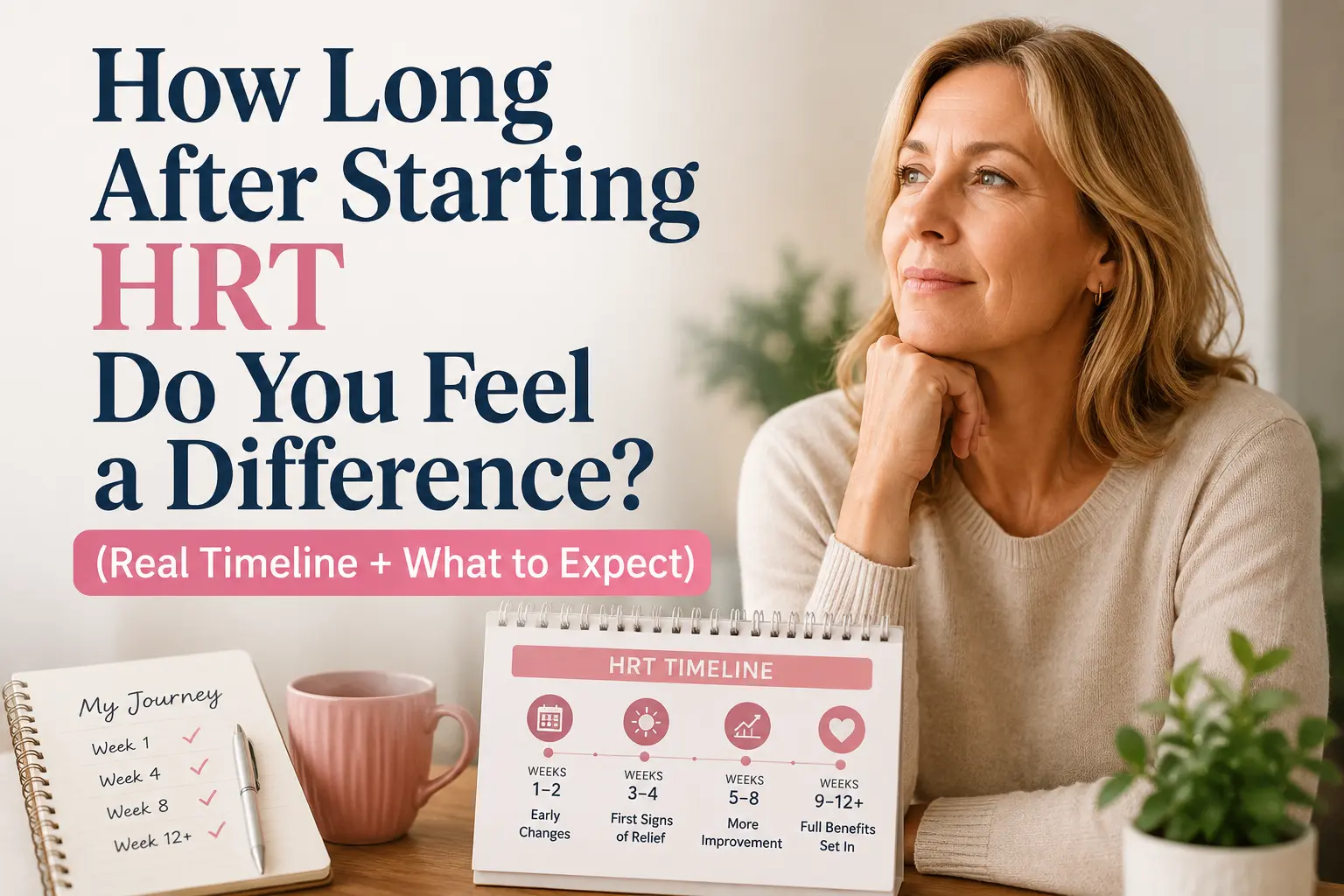
Horizontal featured image of a calm, confident middle-aged woman in soft natural light with a clean background, overlaid text reading “How Long After Starting HRT Do You Feel a Difference? (Real Timeline + What to Expect)”.

Starting hormone replacement therapy (HRT) is a big step and one of the first questions most people have is:

“When will I actually feel better?”

Here’s the honest, straightforward answer:

Most people notice some changes within 2–4 weeks, but it usually takes 8–12 weeks to feel the full benefits.

That said, HRT doesn’t flip a switch overnight.

Some symptoms improve quickly, others take longer, and your experience depends on your body, your hormone levels, and your treatment plan.

Let’s break it down so you know exactly what to expect.


SEE HOW HRT CAN HELP YOU!


How Long Does HRT Take to Work?


HRT works by gradually restoring hormone levels, not instantly correcting them.

A realistic timeline looks like this:

  • Early changes: 2–4 weeks
  • Noticeable improvement: 4–8 weeks
  • Full results: 8–12 weeks (sometimes longer)

If you don’t feel much in the first couple of weeks, that’s normal. 

Your body is still adjusting.


HRT Timeline: Week-by-Week


Let’s take a look at a typical HRT timeline across the weeks after starting:


Weeks 1–2: Subtle Early Changes


This phase is often quiet.

You might notice:

  • Slightly better sleep
  • A small improvement in mood
  • Less intense hot flashes (for some)

Or you may not notice anything yet, and that’s completely normal.


Weeks 3–4: First Signs It’s Working


This is when many people start to feel something shifting.

Common changes:

  • Hot flashes and night sweats begin to decrease
  • Sleep becomes more consistent
  • Mood feels a bit more stable

This is often the point where people think, “Okay, this might be working.”


Weeks 5–8: More Consistent Improvement


Changes become easier to notice and more reliable.

You may experience:

  • Fewer temperature swings
  • More steady energy
  • Improved focus and mental clarity
  • Less anxiety or irritability


Weeks 9–12: Real, Noticeable Difference


This is where HRT starts to feel meaningful in everyday life.

You may notice:

  • Stable mood throughout the day
  • Deeper, more restful sleep
  • Increased libido
  • Reduced joint discomfort


3+ Months: Long-Term Benefits Build


Some benefits take longer, but they continue to improve over time.

These include:

  • Ongoing relief from joint pain
  • Skin and hair changes
  • Support for bone health and metabolism


How Long Each Symptom Takes to Improve


Not all symptoms respond at the same pace.

Here’s what most people experience:

  • Hot flashes & night sweats: 2–4 weeks
  • Sleep issues: 2–6 weeks
  • Mood & anxiety: 4–8 weeks
  • Brain fog & focus: 4–8 weeks
  • Libido: 6–12+ weeks
  • Joint pain: 8–12 weeks

If one symptom improves before another, that’s completely normal.

HRT works in stages.


Why Your Timeline May Be Faster or Slower


No two people respond to HRT the same way.

Here’s why your experience may differ:


Your Starting Hormone Levels


If your hormone levels are very low, it can take longer to rebuild and feel the effects.


Type of HRT


Different forms absorb differently:

  • Patches and creams provide steady hormone levels
  • Pills can take longer to stabilize
  • Pellets release hormones gradually over time


Dosage


If your dose is too low, you may not feel much at first.

Adjustments are common and expected.


Your Body’s Absorption


Everyone metabolizes hormones differently, which affects how quickly you feel results.


Lifestyle Factors


Sleep quality, stress levels, diet, and activity all play a role in how your body responds.


Signs Your HRT Is Working


Early improvements are often subtle, but they matter.

Look for:

  • You’re sleeping better than before
  • Hot flashes are less frequent or intense
  • Your mood feels more stable
  • You have more consistent energy

These small changes usually come before bigger, more noticeable results.


Signs Your HRT May Need Adjustment


It’s very common to adjust HRT in the beginning.

You may need a change if:

  • You feel no improvement after 8–12 weeks
  • Your symptoms are getting worse
  • Side effects don’t go away
  • You still feel off or unbalanced

HRT is not one-size-fits-all.

Fine-tuning is part of the process.


What’s Normal (and What’s Not) in the Beginning


Let’s take a look at what is typically common and uncommon when starting


What’s Normal


  • Gradual improvement, not instant results
  • Mild side effects early on (like slight bloating or breast tenderness)
  • Some symptoms improving faster than others


What’s Not Normal


  • No improvement at all after a few months
  • Symptoms becoming significantly worse
  • Side effects that don’t settle over time

If something doesn’t feel right, it’s worth checking in.


What to Expect in the First 3 Months


The first 90 days are all about finding your balance.

During this time:

This period is less about perfection and more about progress.


When to Talk to a Provider


You don’t need to just wait it out if something feels off.

Reach out if:

  • You’re not seeing progress after a couple of months
  • Your symptoms are still affecting your daily life
  • You’re unsure if your experience is normal

Getting the right adjustments can make a big difference.


How Amari Health Helps You Get Better Results


One of the biggest reasons people don’t see results with HRT is lack of personalization.

At Amari Health, the approach focuses on:

  • Understanding your specific hormone levels
  • Matching treatment to your symptoms
  • Adjusting your plan based on how you actually feel

This kind of tailored care helps you move from guessing to real progress.


CONTACT US


The Bottom Line: How Long After Starting HRT Do You Feel a Difference


Most people feel some improvement within 2–4 weeks, with more noticeable results building over 8–12 weeks.

If it feels slow at first, that’s normal.

Hormone therapy works gradually, but with the right approach, those small changes turn into real, lasting improvements.

The key is patience, consistency, and making adjustments when needed.


SCHEDULE A CONSULTATION


FAQ: How Long After Starting HRT Do You Feel a Difference


How soon after starting HRT will I lose weight?


Weight loss isn’t usually immediate with HRT. Some people notice small changes in the first few weeks, especially with reduced bloating or better energy, but studies show meaningful changes in body composition often take a few months. HRT can support metabolism and make it easier to lose weight, but results depend on diet, activity, and overall health.


What does the first week of HRT feel like?


The first week is often subtle. Some people feel slightly calmer or sleep a bit better, while others notice no difference at all. Mild side effects like bloating or breast tenderness can happen early on, but many people don’t feel noticeable changes until a few weeks in.


Do hot flashes get worse when you first start HRT?


Most people find that hot flashes improve with HRT, but in some cases, symptoms may briefly feel the same or slightly more noticeable during the first couple of weeks as the body adjusts. This usually settles as hormone levels stabilize.


What are the first signs of estrogen working?


Early signs often include better sleep, fewer or less intense hot flashes, and a more stable mood. These changes can be subtle at first but are usually the first indicators that estrogen levels are improving.


Does HRT make you tired when you first start it?


Some people feel slightly tired in the beginning as their body adjusts, while others feel more energized. This usually improves within a few weeks. If fatigue continues, it may be a sign that your dose or timing needs to be adjusted.

Watch Our Workshop Video

Fill out the form below to get instant access to our full workshop video. Discover valuable insights and strategies that you can start applying right away!

Name(Required)

Is Bio-Identical HRT Safe for Women?

Concerns around hormone therapy largely stem from the Women’s Health Initiative (WHI) study conducted over two decades ago. However, it’s important to note that the WHI studied synthetic, non-human hormones—specifically horse-derived hormones which were later shown to have harmful effects.

Since then, a growing body of research on bio-identical hormones—which are structurally identical to those naturally produced by the human body—has found no increased risk of chronic disease. These safer, plant-derived hormones have become a trusted, evidence-based option for women seeking to restore balance and relieve symptoms.