
Peptide therapy offers a multitude of benefits, making it a versatile treatment option for various health conditions. Here are some of the key advantages:
Peptides like Growth Hormone-Releasing Hormones (GHRH) can stimulate muscle growth and accelerate recovery. This is particularly beneficial for athletes and individuals undergoing physical rehabilitation.
Certain peptides have been shown to enhance cognitive abilities, including memory, focus, and mental clarity. This can be a game-changer for those experiencing brain fog or cognitive decline.
Peptides such as DSIP (Delta Sleep-Inducing Peptide) can help regulate sleep patterns, leading to more restful and restorative sleep.
Peptides like Thymosin Alpha-1 can strengthen the immune system, making it more effective at combating infections and diseases.
Collagen-stimulating peptides can improve skin elasticity, reduce wrinkles, and promote a youthful appearance.
Peptides like AOD9604 can aid in weight loss by enhancing fat metabolism and reducing appetite.
Certain peptides have anti-inflammatory properties that can help manage chronic pain and reduce inflammation.
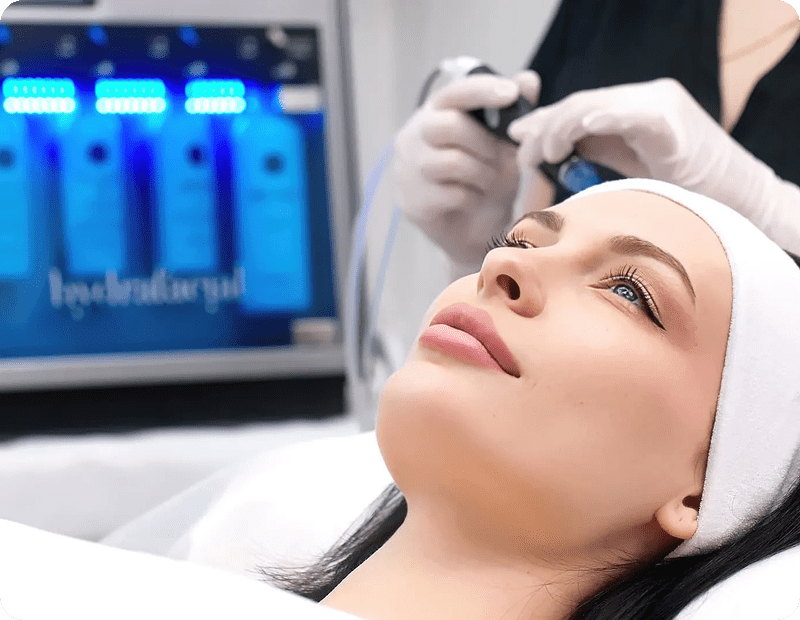

Peptide therapy is suitable for a wide range of individuals, from those looking to enhance their athletic performance to those seeking relief from chronic conditions. Here are some groups who might benefit the most:
Peptide therapy can be used to treat a variety of conditions, thanks to its versatile nature. Some of the conditions that can be effectively managed include:


Before considering peptide therapy, there are several lifestyle changes and home remedies you can try to improve your health:
Ensure you’re consuming a balanced diet rich in essential nutrients. Foods high in antioxidants, healthy fats, and lean proteins can support overall health.
Engage in regular physical activity to improve muscle strength, cardiovascular health, and mental well-being.
Prioritize sleep by maintaining a consistent sleep schedule and creating a restful environment.
Practice stress-reducing techniques such as meditation, yoga, or deep-breathing exercises.
Stay well-hydrated by drinking plenty of water throughout the day.
Consider taking supplements like vitamins, minerals, and amino acids that can support your health. However, consult with a healthcare provider before starting any new supplement regimen.
At Amari Health, we believe in a personalized, science-backed approach to healthcare. Here’s how we determine if peptide therapy is right for you:
Your journey begins with a comprehensive consultation where we discuss your symptoms, medical history, and health goals. This helps us understand your unique needs and concerns.
We utilize advanced diagnostic tests to get a detailed picture of your health. This may include blood tests, hormone panels, and other specialized tests to identify underlying imbalances.
Based on the results of your tests, we create a personalized treatment plan tailored to your specific needs. This plan may include peptide therapy along with other interventions to optimize your health.
We provide ongoing support and monitoring to ensure that your treatment is effective and to make any necessary adjustments. Our goal is to help you achieve lasting vitality and well-being.


Peptide therapy offers a promising, science-backed approach to addressing a variety of health concerns. At Amari Health in Middletown, CT, we are committed to providing precision care tailored to your unique needs. By focusing on root-cause thinking and using advanced diagnostics, we aim to restore balance and optimize your health for long-term vitality. If you’re experiencing symptoms that are affecting your quality of life, consider exploring the benefits of peptide therapy as part of a comprehensive, personalized treatment plan. Your body is telling you something, and we’re here to listen and help you feel fully yourself again.
Concerns around hormone therapy largely stem from the Women’s Health Initiative (WHI) study conducted over two decades ago. However, it’s important to note that the WHI studied synthetic, non-human hormones—specifically horse-derived hormones which were later shown to have harmful effects.
Since then, a growing body of research on bio-identical hormones—which are structurally identical to those naturally produced by the human body—has found no increased risk of chronic disease. These safer, plant-derived hormones have become a trusted, evidence-based option for women seeking to restore balance and relieve symptoms.