Learn More About Blogs

Horizontal featured image showing a healthcare professional consulting with a patient about thyroid health, with subtle thyroid and wellness imagery in the background and overlaid text reading “Functional Medicine for Thyroid: A Root-Cause Approach to Thyroid Health.”

The thyroid affects far more than metabolism alone.

This small gland helps regulate energy production, body temperature, digestion, hormone balance, mood, sleep, heart function, and cognitive performance.

When thyroid hormones become imbalanced, symptoms can impact nearly every part of daily life.

Many people with thyroid dysfunction struggle with fatigue, brain fog, weight changes, hair thinning, low motivation, anxiety, poor sleep, digestive issues, or difficulty concentrating.

Some continue experiencing symptoms even after being told their thyroid labs are “normal.”

This is one reason many individuals are turning to functional medicine for thyroid support.

Functional medicine takes a more comprehensive and personalized approach to thyroid health.

Instead of focusing only on thyroid hormone levels, it looks at potential root contributors such as inflammation, autoimmune activity, stress, nutrient deficiencies, gut health, blood sugar balance, and lifestyle factors that may affect thyroid function.

At Amari Health, thyroid wellness support is designed to help patients better understand what may be contributing to their symptoms while creating individualized strategies focused on long-term health and hormone balance.


SEE HOW FUNCTIONAL MEDICINE CAN HELP YOU


What Is Functional Medicine for Thyroid Health?

Functional medicine is a patient-centered approach that focuses on identifying and addressing possible root causes of symptoms and chronic health concerns.

When applied to thyroid health, functional medicine often evaluates how different systems in the body may be interconnected rather than looking only at thyroid hormone levels in isolation.

This may include evaluating:

  • Thyroid hormone balance
  • Autoimmune markers
  • Inflammation
  • Nutrient deficiencies
  • Gut health
  • Stress and cortisol levels
  • Blood sugar regulation
  • Sleep quality
  • Lifestyle habits
  • Environmental exposures

Rather than asking only whether thyroid levels fall within a reference range, functional medicine practitioners often ask:

  • Why are symptoms happening?
  • Could inflammation be affecting thyroid function?
  • Is stress disrupting hormone balance?
  • Are nutrient deficiencies contributing to symptoms?
  • Could gut health or autoimmune activity be involved?

This broader perspective may help provide a more complete understanding of thyroid health and overall wellness.


Understanding the Thyroid and Its Role in the Body

The thyroid is a butterfly-shaped gland located in the front of the neck.

It produces hormones that help regulate metabolism, energy production, body temperature, and many essential bodily functions.

The two primary thyroid hormones are:

  • T4 (thyroxine)
  • T3 (triiodothyronine)

T4 is considered the storage form of thyroid hormone, while T3 is the active form the body uses for metabolism and energy production.

The body also relies on signals from the pituitary gland through thyroid-stimulating hormone (TSH) to regulate thyroid hormone production.

When this system becomes disrupted, symptoms may begin to develop gradually over time.


GET HELP WITH YOUR THYROID SYMPTOMS


Common Signs of Thyroid Dysfunction

Thyroid symptoms can vary depending on whether the thyroid is underactive, overactive, or affected by autoimmune conditions such as Hashimoto’s thyroiditis.

Common Symptoms of Hypothyroidism

Hypothyroidism occurs when the thyroid does not produce enough thyroid hormone.

Possible symptoms may include:

  • Fatigue
  • Weight gain
  • Brain fog
  • Dry skin
  • Hair thinning
  • Depression or low mood
  • Constipation
  • Feeling cold frequently
  • Slower metabolism
  • Muscle weakness
  • Low motivation
  • Irregular menstrual cycles

Common Symptoms of Hyperthyroidism

Hyperthyroidism occurs when the thyroid produces too much thyroid hormone.

Possible symptoms may include:

  • Anxiety
  • Rapid heartbeat
  • Increased sweating
  • Trouble sleeping
  • Irritability
  • Unexplained weight loss
  • Tremors
  • Muscle weakness
  • Frequent bowel movements
  • Feeling overheated

Some individuals may also experience thyroid symptoms despite having thyroid lab values that appear within a standard reference range.


Can You Have Thyroid Symptoms With Normal Labs?

Yes, some people continue experiencing thyroid-related symptoms even when standard thyroid testing appears “normal.”

This can happen for several reasons, including:

  • Incomplete thyroid testing
  • Poor conversion of T4 into active T3
  • Autoimmune thyroid activity
  • Chronic stress and elevated cortisol
  • Nutrient deficiencies
  • Inflammation
  • Gut health imbalances

Functional medicine often takes a more comprehensive look at these potential contributors instead of relying solely on a single thyroid marker.


Why Conventional Thyroid Testing May Miss Problems

Many conventional thyroid evaluations primarily focus on thyroid-stimulating hormone (TSH).

While TSH can provide useful information, it may not always offer a complete picture of thyroid function.

Functional medicine for thyroid concerns often involves a broader review of thyroid-related markers and overall health patterns.

Common Thyroid Tests

Test What It May Evaluate
TSH Signals how strongly the body is asking the thyroid to produce hormones
Free T3 The active thyroid hormone involved in metabolism and energy production
Free T4 The storage form of thyroid hormone
Reverse T3 May help evaluate thyroid hormone conversion patterns
TPO Antibodies Can help identify autoimmune thyroid activity
Thyroglobulin Antibodies Provides additional information about autoimmune thyroid conditions

Some individuals with persistent fatigue, weight changes, or brain fog may benefit from more comprehensive testing when symptoms and standard lab findings do not align.


Root Causes of Thyroid Dysfunction

Functional medicine places strong emphasis on identifying potential root contributors that may affect thyroid function.

In many cases, thyroid dysfunction may involve several overlapping factors rather than one isolated issue.

Chronic Stress and Cortisol Imbalance

Long-term stress can affect hormone signaling throughout the body.

Elevated cortisol levels may influence thyroid hormone conversion, metabolism, sleep quality, and inflammation.

Chronic stress may also contribute to:

  • Fatigue
  • Brain fog
  • Blood sugar imbalance
  • Hormone disruption
  • Poor recovery
  • Sleep disturbances

Autoimmune Thyroid Conditions

Hashimoto’s thyroiditis is one of the most common causes of hypothyroidism.

In autoimmune thyroid conditions, the immune system mistakenly attacks thyroid tissue, which may gradually affect hormone production over time.

Functional medicine approaches often focus on supporting immune balance while identifying factors that may contribute to inflammation and autoimmune activity.

Nutrient Deficiencies

The thyroid relies on several nutrients for healthy hormone production and conversion.

Nutrients Important for Thyroid Function

Nutrient Potential Role in Thyroid Health
Selenium Supports thyroid hormone conversion and antioxidant function
Zinc Supports immune health and thyroid hormone production
Iron Important for oxygen transport and cellular energy
Vitamin D May support immune balance and inflammation regulation
Iodine Required for thyroid hormone production
B Vitamins Supports metabolism and energy production
Magnesium Supports sleep stress response and muscle function

Gut Health and Thyroid Function

The gut and thyroid are closely connected.

Digestive imbalances, inflammation, and changes in the gut microbiome may affect nutrient absorption, immune regulation, and hormone balance.

Some individuals with thyroid concerns may also experience:

  • Bloating
  • Constipation
  • Food sensitivities
  • Digestive discomfort
  • Acid reflux

Functional medicine often considers gut health an important part of supporting overall thyroid wellness.

Blood Sugar Imbalance

Frequent blood sugar spikes and crashes may contribute to inflammation, fatigue, hormone stress, and metabolic dysfunction.

Balanced nutrition and stable blood sugar levels may help support:

  • Consistent energy
  • Hormone balance
  • Reduced inflammation
  • Appetite regulation
  • Metabolic health


Functional Medicine Testing for Thyroid Health

Functional medicine testing often goes beyond standard thyroid panels to evaluate how multiple systems in the body may be interacting.

Depending on symptoms and health history, testing may include:

  • Comprehensive thyroid panels
  • Thyroid antibody testing
  • Vitamin and mineral testing
  • Cortisol testing
  • Hormone evaluations
  • Inflammatory markers
  • Gut health assessments
  • Food sensitivity testing
  • Metabolic testing

The goal is to gather a more complete understanding of what may be contributing to symptoms and hormone imbalance.


Functional Medicine vs Conventional Thyroid Care

Both conventional medicine and functional medicine can play important roles in thyroid care.

However, the overall approach often differs.

Conventional Thyroid Care Functional Medicine Thyroid Care
Often focused on diagnosis and medication management Focuses on identifying possible root contributors
Primarily relies on TSH testing Often includes broader thyroid and wellness testing
Standardized treatment approaches Personalized wellness strategies
Often symptom-focused Looks at nutrition, stress, gut health, inflammation, and lifestyle habits
Shorter appointments Often includes more in-depth health evaluations


Nutrition and Diet for Thyroid Health

Nutrition can play a major role in supporting hormone balance, metabolism, energy levels, and overall wellness.

Functional medicine often emphasizes anti-inflammatory nutrition patterns focused on whole foods and balanced meals.

Foods That May Support Thyroid Health

Food Type Potential Benefits
Lean proteins Supports metabolism, muscle health, and hormone production
Healthy fats Supports hormone balance and brain function
Fiber-rich vegetables Supports digestion, gut health, and blood sugar balance
Selenium-rich foods May support thyroid hormone conversion
Omega-3 rich foods May help support a healthy inflammatory response
Hydration Supports energy metabolism and overall wellness

Some individuals may also benefit from identifying inflammatory food triggers or sensitivities under professional guidance.


Foods That May Affect Thyroid Function

Some foods and lifestyle habits may affect thyroid health differently depending on the individual.

Potential considerations may include:

  • Highly processed foods
  • Excess added sugar
  • Chronic alcohol intake
  • Nutrient-poor diets
  • Severe calorie restriction
  • High stress eating patterns

In some cases, individuals with autoimmune thyroid conditions may also explore whether certain food sensitivities contribute to inflammation.


Lifestyle Factors That Affect Thyroid Hormones

Lifestyle habits can significantly influence thyroid function and hormone balance.

Important Lifestyle Factors

Lifestyle Factor Why It Matters
Sleep quality Supports hormone regulation, recovery, and metabolism
Stress management May help reduce cortisol-related hormone disruption
Exercise Supports metabolism, cardiovascular health, and energy levels
Blood sugar balance May support stable energy and reduced inflammation
Environmental toxin reduction May help support endocrine health
Consistent daily habits Supports long-term hormone balance and wellness


Can Functional Medicine Help Hashimoto’s?

Hashimoto’s thyroiditis is an autoimmune condition that affects the thyroid gland.

Functional medicine approaches for Hashimoto’s often focus on:

  • Supporting immune health
  • Reducing inflammation
  • Evaluating gut health
  • Addressing nutrient deficiencies
  • Supporting stress management
  • Reviewing dietary habits
  • Identifying lifestyle factors that may affect inflammation

Because autoimmune conditions can affect each person differently, individualized care plans are often important.


Who May Benefit From Functional Medicine for Thyroid Issues?

Some individuals who explore functional medicine for thyroid concerns include those experiencing:

  • Persistent fatigue
  • Brain fog
  • Difficulty losing weight
  • Hair thinning
  • Mood changes
  • Low energy
  • Digestive symptoms
  • Hormone imbalance symptoms
  • Thyroid symptoms despite normal labs
  • Autoimmune thyroid conditions
  • Chronic inflammation

Functional medicine may be especially appealing for individuals seeking a more comprehensive and personalized approach to thyroid wellness.


How Amari Health Can Help Support Thyroid Health

At Amari Health, thyroid wellness support is approached through personalized evaluations designed to help identify factors that may be contributing to symptoms and hormone imbalance.

Depending on individual needs, wellness plans may include:

  • Comprehensive lab testing
  • Nutrition and lifestyle guidance
  • Hormone wellness support
  • Gut health support
  • Stress management strategies
  • Personalized wellness planning

The goal is to help patients better understand their health while supporting long-term wellness and overall quality of life.


CONTACT US


Final Thoughts: Functional Medicine for Thyroid

The thyroid plays an essential role in energy production, metabolism, mood, digestion, hormone balance, and overall well-being.

Functional medicine for thyroid concerns offers a broader and more personalized approach that looks beyond symptoms alone to evaluate possible underlying contributors such as inflammation, autoimmune activity, nutrient deficiencies, stress, gut health, and lifestyle habits.

For individuals struggling with ongoing fatigue, brain fog, weight changes, digestive symptoms, or thyroid-related concerns despite normal labs, a more comprehensive approach may provide additional insight into overall health and wellness.


SCHEDULE A CONSULTATION


FAQs: Functional Medicine for Thyroid

Can functional medicine help thyroid problems?

Functional medicine may help support thyroid health by looking at potential root contributors such as inflammation, stress, nutrient deficiencies, gut health, autoimmune activity, and lifestyle habits. The goal is to create a more personalized approach to wellness rather than focusing only on symptom management.

What is the root cause of thyroid problems?

There is not always one single cause of thyroid dysfunction. Possible contributing factors may include autoimmune conditions, chronic stress, inflammation, nutrient deficiencies, blood sugar imbalance, gut health issues, hormone changes, and environmental exposures.

Can you have thyroid symptoms with normal labs?

Yes, some individuals continue experiencing symptoms such as fatigue, brain fog, weight changes, or hair thinning even when standard thyroid labs appear normal. More comprehensive thyroid testing may sometimes provide additional insight into thyroid function and overall hormone balance.

What is the difference between functional medicine and conventional medicine thyroid care?

Conventional thyroid care often focuses on diagnosis and medication management, while functional medicine typically takes a broader approach by evaluating nutrition, stress, inflammation, gut health, lifestyle habits, and possible root contributors to symptoms.

What is Hashimoto’s thyroiditis?

Hashimoto’s thyroiditis is an autoimmune condition where the immune system attacks the thyroid gland. Over time, this may affect thyroid hormone production and contribute to symptoms associated with hypothyroidism.

Can stress affect thyroid hormones?

Yes, chronic stress may influence thyroid hormone conversion, cortisol levels, inflammation, sleep quality, and overall hormone balance. Long-term stress can also contribute to fatigue and metabolic changes.

Who may benefit from functional medicine for thyroid concerns?

Individuals experiencing fatigue, brain fog, weight changes, digestive symptoms, hormone imbalance symptoms, autoimmune thyroid conditions, or thyroid symptoms despite normal labs may benefit from a more personalized and comprehensive wellness approach.

What does a functional medicine doctor do?

A functional medicine doctor takes a more personalized approach to health by looking for possible root contributors to symptoms and chronic conditions. Instead of focusing only on symptom management, they may evaluate factors such as nutrition, inflammation, stress, hormone balance, gut health, lifestyle habits, sleep quality, and environmental exposures. For thyroid concerns, this often includes comprehensive testing and individualized wellness strategies designed to support overall health and hormone function.
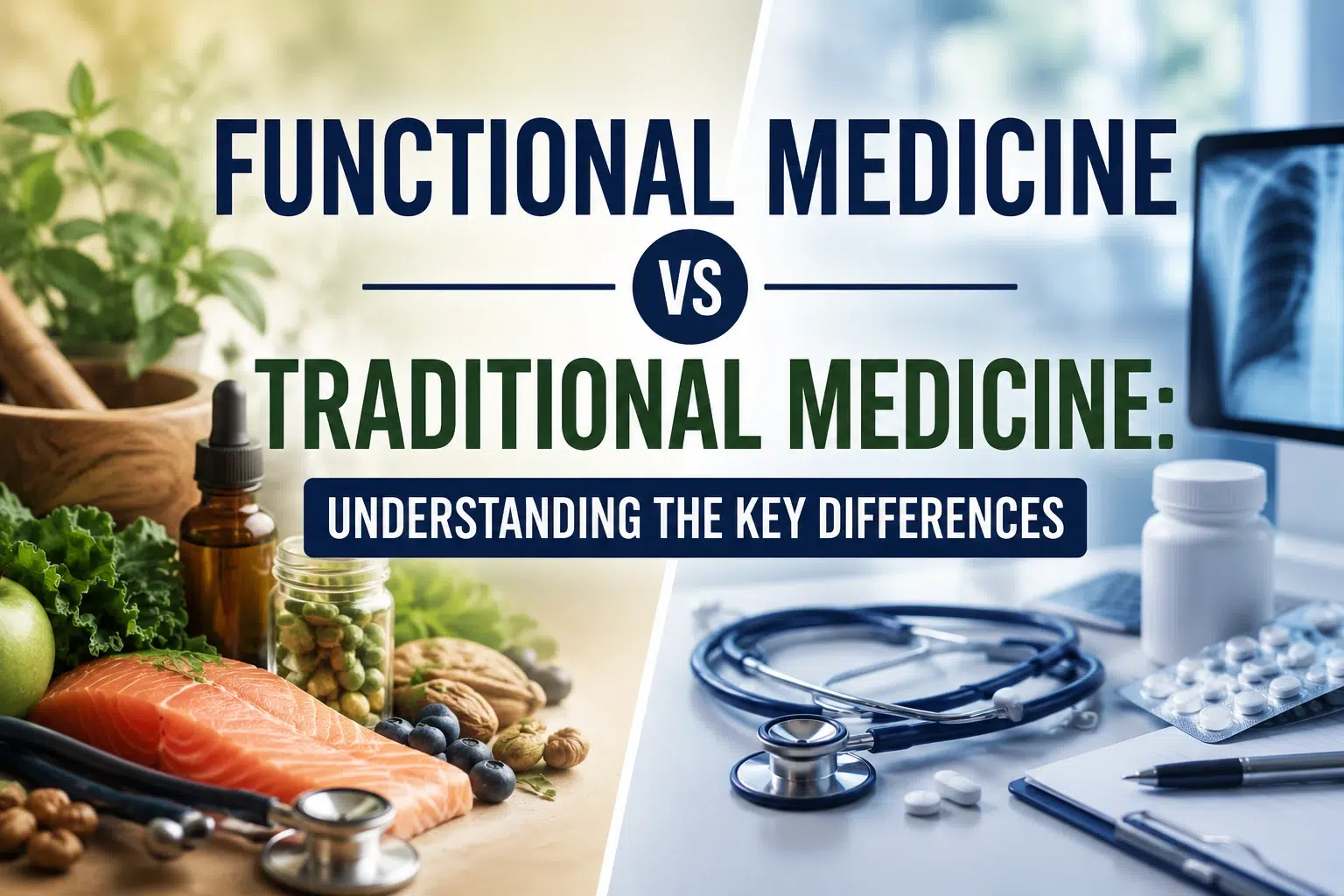

Split-screen featured image comparing functional medicine and traditional medicine. The left side shows healthy foods, herbs, and wellness-focused imagery representing functional medicine, while the right side shows a stethoscope, pills, and medical equipment representing traditional medicine. Overlaid text reads “Functional Medicine vs Traditional Medicine: Understanding the Key Differences.”

When comparing functional medicine vs traditional medicine, many people are trying to answer an important question:

What type of healthcare approach is best for improving both short-term symptoms and long-term health?

Traditional medicine and functional medicine both play valuable roles in healthcare, but they often approach patient care differently.

Traditional medicine typically focuses on diagnosing and treating disease, while functional medicine aims to understand why symptoms are happening in the first place.

If you have ever felt frustrated by recurring symptoms, short appointments, or treatment plans that only address part of the picture, you are not alone.

Many people are now exploring functional medicine vs conventional medicine to better understand how these approaches differ and whether they can work together.


SEE HOW FUNCTIONAL MEDICINE CAN HELP YOU


What Is Functional Medicine?

Functional medicine is a personalized, systems-based approach to healthcare that focuses on identifying and addressing potential root causes of symptoms and chronic health concerns.

Rather than viewing the body as separate systems that function independently, functional medicine looks at how everything is connected.

This may include evaluating:

  • Nutrition
  • Sleep quality
  • Stress levels
  • Hormone balance
  • Gut health
  • Inflammation
  • Blood sugar regulation
  • Environmental exposures
  • Lifestyle habits
  • Metabolic function

The goal is to understand how these factors may influence overall health and contribute to symptoms.

For example, if someone struggles with chronic fatigue, a functional medicine provider may explore:

  • sleep quality
  • nutrient deficiencies
  • stress levels
  • thyroid health
  • hormone imbalances
  • digestive function
  • inflammation
  • blood sugar stability

Instead of only focusing on the symptom itself, functional medicine looks deeper into possible contributing factors.

This root-cause approach is one reason functional medicine has become increasingly popular among people dealing with chronic symptoms and long-term health concerns.


What Is Traditional Medicine?

Traditional medicine, also called conventional medicine or Western medicine, is the standard healthcare model used in hospitals, clinics, and medical practices across the country.

This approach focuses heavily on:

  • diagnosing disease
  • treating symptoms
  • managing acute conditions
  • using evidence-based medications and procedures
  • performing imaging and diagnostic testing

Traditional medicine excels in situations where immediate treatment is necessary.

Examples include:

  • infections
  • broken bones
  • heart attacks
  • emergency surgery
  • trauma care
  • severe illness
  • acute medical conditions

Conventional medicine has played a major role in advancing public health and lifesaving medical treatment.

For many conditions, especially emergencies and acute illnesses, traditional medicine is essential.


Functional Medicine vs Traditional Medicine: Key Differences

Although both approaches aim to improve patient health, the philosophy and treatment strategies can look very different.

Category Functional Medicine Traditional Medicine
Main Focus Finding root causes and improving whole-body function Diagnosing and treating symptoms or disease
Approach to Care Personalized and lifestyle-focused Standardized and diagnosis-focused
View of the Body Interconnected systems working together Often focused on specific symptoms or organs
Treatment Methods Nutrition, lifestyle changes, stress management, targeted supplementation, and wellness strategies Medications, procedures, surgery, and standardized medical treatment
Appointment Length Often longer and more detailed Typically shorter and symptom-focused
Prevention Focus Strong emphasis on prevention and wellness optimization Often focused on treatment after symptoms develop
Chronic Symptoms Investigates contributing lifestyle, metabolic, and inflammatory factors Frequently focuses on symptom management


Root Cause Treatment vs Symptom Management

One of the biggest differences between functional medicine and traditional medicine is how symptoms are viewed.

Traditional medicine often focuses on diagnosing a condition and selecting treatments that help reduce symptoms quickly and effectively.

Functional medicine asks additional questions such as:

  • Why are these symptoms happening?
  • What systems in the body may be contributing?
  • Could inflammation, stress, gut health, hormones, or nutrition play a role?

For example, someone experiencing chronic headaches may receive medication through conventional medicine.

Functional medicine may also investigate:

  • sleep habits
  • stress levels
  • hydration
  • nutrient deficiencies
  • hormone fluctuations
  • food sensitivities
  • gut health
  • inflammation triggers

This broader perspective is one reason many patients seek functional medicine for ongoing or recurring health concerns.


Functional Medicine and Chronic Health Conditions

Interest in functional medicine has grown significantly among people dealing with chronic symptoms that may not fully improve through symptom-focused care alone.

Examples include:

  • fatigue
  • brain fog
  • digestive issues
  • hormone imbalances
  • chronic stress
  • sleep disturbances
  • inflammation
  • metabolic dysfunction
  • autoimmune-related symptoms

Functional medicine often looks at how lifestyle habits and long-term patterns may affect these conditions over time.

For example, chronic stress may affect:

  • cortisol levels
  • sleep quality
  • digestion
  • blood sugar regulation
  • inflammation
  • energy levels

Instead of treating these symptoms separately, functional medicine providers often evaluate how they may be connected.


Preventive Care vs Reactive Care

Another major difference between functional medicine vs conventional medicine is prevention.

Functional medicine strongly emphasizes preventive healthcare and wellness optimization before symptoms become more severe.

This may include:

  • improving nutrition
  • supporting sleep quality
  • managing stress
  • encouraging regular movement
  • optimizing metabolic health
  • reducing inflammation
  • improving recovery habits

Traditional medicine is often more reactive, meaning treatment commonly begins after symptoms or disease appear.

That does not mean one approach is better than the other.

Prevention and medical treatment both play important roles in overall healthcare.


Personalized Medicine vs Standardized Treatment

Traditional medicine typically uses standardized clinical guidelines based on large-scale research and established treatment protocols.

This creates consistency in diagnosis and medical treatment.

Functional medicine tends to be more individualized.

Treatment plans may be based on:

  • symptom history
  • lifestyle habits
  • nutrition
  • lab results
  • environmental factors
  • stress levels
  • metabolic health
  • sleep patterns

Two people with similar symptoms may receive completely different recommendations depending on their overall health picture.

This personalized approach is one reason many patients feel functional medicine appointments are more comprehensive.


How Functional Medicine Looks at the Whole Body

Functional medicine is often described as a “whole-body” or “systems-based” approach.

Rather than separating symptoms into isolated categories, it considers how different systems influence one another.

Examples include:

  • Gut health affecting inflammation and immune function
  • Sleep influencing hormone balance and metabolism
  • Stress impacting digestion and blood sugar
  • Nutrition affecting energy levels and recovery
  • Inflammation contributing to multiple chronic symptoms

This interconnected perspective can help explain why symptoms sometimes overlap across different areas of health.


Conditions Commonly Addressed in Functional Medicine

Functional medicine is commonly used to support people dealing with symptoms such as:

  • Fatigue
  • Brain fog
  • Digestive problems
  • Weight management challenges
  • Hormone imbalances
  • Sleep issues
  • Stress-related symptoms
  • Chronic inflammation
  • Metabolic concerns
  • Autoimmune-related symptoms

Treatment plans often include a combination of:

  • nutrition support
  • lifestyle modifications
  • stress management
  • wellness strategies
  • advanced lab testing
  • personalized recommendations


When Traditional Medicine Is Essential

While functional medicine offers many benefits, traditional medicine remains critical for many areas of healthcare.

Conventional medicine is especially important for:

  • emergency care
  • trauma treatment
  • severe infections
  • surgeries
  • cancer treatment
  • diagnostic imaging
  • acute illness management
  • lifesaving medications

For many people, healthcare is not about choosing one approach over the other.

It is about using the strengths of both when appropriate.


Can Functional Medicine and Traditional Medicine Work Together?

Yes.

Many healthcare providers believe these approaches can complement each other.

Traditional medicine may help diagnose and stabilize acute conditions, while functional medicine may help support long-term health, prevention, and lifestyle optimization.

For example:

  • A patient with high blood pressure may use prescription medication while also improving sleep, nutrition, exercise habits, and stress management.
  • Someone recovering from surgery may use traditional medical care while focusing on inflammation support, recovery habits, and overall wellness.

This integrative approach is becoming increasingly common among patients looking for more comprehensive healthcare support.


SCHEDULE A CONSULTATION


Is Functional Medicine Evidence-Based?

This is one of the most common questions people ask when comparing functional medicine vs traditional medicine.

Functional medicine includes many evidence-based principles related to:

  • nutrition
  • sleep
  • exercise
  • metabolic health
  • inflammation
  • lifestyle medicine
  • chronic disease prevention

However, treatment approaches can vary depending on the provider, philosophy, and patient needs.

It is important to work with qualified healthcare professionals who prioritize science-based care and individualized treatment strategies.


Why Are More People Interested in Functional Medicine?

Many people are looking for healthcare that feels more personalized and comprehensive.

Patients are increasingly interested in:

  • longer appointments
  • individualized care plans
  • lifestyle-focused healthcare
  • preventive wellness strategies
  • root cause investigation
  • support for chronic symptoms

People often want to better understand how stress, sleep, nutrition, hormones, inflammation, and metabolic health may be affecting how they feel every day.

Functional medicine aims to help patients take a more active role in their long-term health and wellness.


Who May Benefit From Functional Medicine?

Functional medicine may be helpful for people who:

  • want a more personalized healthcare experience
  • are dealing with recurring or chronic symptoms
  • want to focus on prevention and wellness
  • are interested in optimizing nutrition and lifestyle habits
  • want to better understand possible root causes behind symptoms

Healthcare decisions should always be based on individual needs, symptoms, and medical history.


SEE IF FUNCTIONAL MEDICINE IS RIGHT FOR YOU


Functional Medicine vs Conventional Medicine: Which Is Better?

There is no universal answer.

Traditional medicine is essential for emergencies, acute illnesses, surgery, and serious medical conditions.

Functional medicine often focuses more heavily on prevention, lifestyle optimization, and understanding the root causes behind chronic symptoms.

For many individuals, the most effective healthcare strategy may involve combining aspects of both approaches depending on their health needs and goals.


How Amari Health Supports Personalized Wellness

At Amari Health, personalized wellness involves looking beyond isolated symptoms to better understand the full picture of a person’s health.

By considering factors like nutrition, stress, metabolic health, hormones, inflammation, sleep quality, and lifestyle habits, care can be tailored to support long-term wellness and overall health optimization.

Every person’s health journey is unique, which is why individualized care and a whole-body perspective can play an important role in helping patients feel their best.


CONTACT US


FAQs: Functional Medicine vs Traditional Medicine

What is the difference between a functional doctor and a traditional doctor?

A functional doctor typically focuses on identifying potential root causes behind symptoms by looking at factors like nutrition, hormones, sleep, stress, inflammation, and lifestyle habits. A traditional doctor usually focuses more on diagnosing and treating disease using medications, procedures, and evidence-based medical treatment. Both approaches can play important roles in healthcare depending on the patient’s needs.

Can a functional medicine doctor help with autoimmune disease?

Functional medicine providers often work with patients experiencing autoimmune-related symptoms by focusing on inflammation, gut health, stress, sleep, nutrition, and lifestyle factors that may affect overall wellness. Functional medicine is not a replacement for medical care, but some people use it alongside conventional treatment as part of a broader health strategy.

Are naturopaths and functional medicine the same thing?

No. Naturopathic medicine and functional medicine are different, although there can be some overlap. Functional medicine is an approach that may be used by different types of healthcare providers, while naturopathic medicine is its own healthcare discipline focused on natural therapies and holistic care.

Can functional medicine help with thyroid?

Functional medicine providers often evaluate factors that may affect thyroid health, including stress, inflammation, nutrient deficiencies, gut health, sleep, and hormone balance. Some people seek functional medicine support when experiencing symptoms such as fatigue, weight changes, brain fog, or low energy related to thyroid concerns.

What are the five pillars of functional medicine?

The five pillars of functional medicine commonly include nutrition, sleep, stress management, movement or exercise, and healthy lifestyle habits. These foundational areas are often viewed as important for supporting long-term wellness and overall body function.

What is an example of functional medicine?

An example of functional medicine could involve evaluating a patient with chronic fatigue by looking at sleep quality, stress levels, nutrient deficiencies, gut health, hormone balance, inflammation, and metabolic health instead of only focusing on the fatigue symptom itself.

What does a functional medicine doctor do?

A functional medicine doctor looks at how different systems in the body may be connected and works to identify possible root causes behind symptoms and chronic health concerns. This often includes evaluating factors such as nutrition, sleep, stress, hormones, inflammation, gut health, lifestyle habits, and metabolic function. Treatment plans are typically personalized and focused on supporting long-term wellness.

Can functional medicine help with weight loss?

Functional medicine may help support weight loss by addressing factors that can affect metabolism and overall health, including hormones, blood sugar balance, stress, sleep quality, inflammation, nutrition, and lifestyle habits. Instead of focusing only on calorie reduction, functional medicine often looks at underlying factors that may contribute to weight gain or difficulty losing weight.

Middle-aged woman measuring her waist while standing in workout clothes beside text reading “Can HRT Help You Lose Weight? What Women Need to Know About Hormones, Belly Fat, and Menopause.”

If you feel like losing weight became harder almost overnight during perimenopause or menopause, you are not imagining it.

Many women notice stubborn belly fat, slower metabolism, lower energy levels, poor sleep, and changes in body composition during this stage of life.

Even women who eat well and stay active may suddenly struggle with weight gain that feels impossible to reverse.

That is why so many women ask:

Can HRT help you lose weight?

The short answer is that hormone replacement therapy (HRT) may help support weight loss for some women, especially when hormonal changes are making it harder to maintain a healthy weight during menopause.

However, HRT is not considered a traditional weight loss treatment or a quick fix.

Instead, HRT may help improve several underlying factors connected to menopause weight gain, including metabolism, sleep quality, muscle loss, insulin sensitivity, and energy levels.

For many women, that can make healthy weight loss feel more realistic again.


SEE IF HRT CAN HELP YOUR WEIGHT LOSS GOALS


Why Menopause Often Causes Weight Gain


Studies show weight gain during menopause is extremely common, especially around the abdomen.

One of the biggest reasons is declining estrogen levels.

Estrogen affects several processes tied to metabolism, body composition, appetite regulation, and fat storage.

As estrogen drops, the body often begins storing more fat around the midsection instead of the hips and thighs.

At the same time, women naturally lose muscle mass with age.

Since muscle burns more calories than fat, losing lean muscle can slow metabolism and make weight gain easier.

Menopause can also affect lifestyle habits in ways that contribute to weight gain.

Many women experience:

  • Fatigue
  • Poor sleep
  • Increased stress and cortisol
  • Mood changes
  • Lower motivation to exercise
  • Insulin resistance
  • Increased cravings
  • Reduced recovery from workouts

These hormonal and metabolic changes are a major reason why many women feel like their normal diet and exercise routines stop working during menopause.


Can HRT Actually Help You Lose Weight?


HRT may help support weight management indirectly by improving symptoms and hormonal imbalances that can make weight loss more difficult.

For example, women who sleep better, feel more energized, and experience fewer menopause symptoms may find it easier to:

  • Exercise consistently
  • Build or maintain muscle
  • Recover from workouts
  • Manage cravings
  • Stay physically active throughout the day

Some women also notice improvements in body composition, meaning they may lose inches around the waist or maintain lean muscle more effectively even if the number on the scale changes slowly.

Research has also suggested that hormone replacement therapy may help reduce the accumulation of abdominal fat during menopause in some women.

Still, HRT works best as part of a larger health strategy that includes nutrition, movement, sleep, and stress management.


Does HRT Help With Belly Fat?


Many women specifically look into HRT because of stubborn menopause belly fat.

Lower estrogen levels are associated with increased visceral fat, which is the deeper abdominal fat stored around the organs.

This type of fat is linked to insulin resistance, heart disease, inflammation, and metabolic dysfunction.

HRT may help support healthier fat distribution during menopause by improving hormonal balance and reducing some of the metabolic changes associated with estrogen decline.

Some women report:

  • Less bloating
  • Reduced waist circumference
  • Improved muscle tone
  • Better workout performance
  • Easier weight maintenance

However, HRT is not a guaranteed solution for belly fat.

Factors like stress, sleep quality, diet, activity level, insulin resistance, and genetics still play a major role.


Why Weight Loss Feels Harder During Menopause


Many women become frustrated during menopause because the same habits that worked earlier in life suddenly stop producing results.

This is not simply about getting older.

Hormonal changes can directly affect:

  • Metabolism
  • Muscle maintenance
  • Appetite
  • Blood sugar regulation
  • Fat storage
  • Energy production

As estrogen declines, the body may burn fewer calories at rest and store fat more easily around the abdomen.

Sleep disruption also becomes more common during menopause.

Poor sleep can increase cortisol levels, worsen cravings, reduce recovery from exercise, and contribute to additional weight gain.

For some women, menopause can also increase insulin resistance, which may make fat loss slower and cravings more intense.


How Long Does It Take to Lose Weight on HRT?


HRT does not usually cause rapid weight loss overnight.

Instead, many women notice gradual improvements over time as hormone levels stabilize and menopause symptoms become more manageable.

A general timeline may look something like this:


First Few Weeks


  • Better sleep
  • Reduced hot flashes
  • Improved mood
  • More stable energy levels


2 to 3 Months


  • Better workout consistency
  • Reduced bloating
  • Improved recovery
  • Fewer cravings


3 to 6 Months


  • Changes in body composition
  • Easier weight maintenance
  • Reduced abdominal fat accumulation
  • Improved muscle preservation

Results vary from person to person depending on:

  • Hormone levels
  • Age
  • Type of HRT
  • Nutrition habits
  • Exercise routine
  • Stress levels
  • Existing metabolic health


Why Some Women Gain Weight on HRT


Not every woman loses weight on HRT, and some women may temporarily gain weight after starting treatment.

This may happen because of:

  • Water retention
  • Hormonal adjustments
  • Changes in progesterone levels
  • Increased appetite
  • Reduced activity levels unrelated to HRT

In many cases, early bloating or fluid retention improves as the body adapts to treatment.

It is also important to understand that HRT cannot completely offset factors like chronic stress, lack of sleep, poor nutrition, or a sedentary lifestyle.


What Is the Best HRT for Weight Loss?


There is no single “best” form of HRT for weight loss because treatment should be personalized based on symptoms, hormone levels, medical history, and health goals.

Depending on the individual, treatment may include:

  • Estrogen therapy
  • Progesterone therapy
  • Combination therapy
  • Testosterone support in some cases

Some women respond well to patches or creams, while others prefer oral medications.

The goal of HRT is typically to improve menopause symptoms and support overall health rather than simply produce weight loss.


HRT and Metabolism


Hormones affect much more than reproductive health.

They also play a major role in:

  • Metabolism
  • Appetite regulation
  • Energy production
  • Blood sugar balance
  • Fat storage
  • Muscle maintenance

As hormone levels decline during menopause, metabolism often slows.

This can make it easier to gain weight and harder to lose it even without major lifestyle changes.

HRT may help support metabolic health by improving hormonal balance and helping women preserve lean muscle, maintain energy, and stay physically active.


Can You Combine HRT With Weight Loss Medications?


Some women combine HRT with medical weight loss treatments like GLP-1 medications as part of a medically supervised plan.

GLP-1 medications primarily help with:

  • Appetite control
  • Blood sugar regulation
  • Slower digestion
  • Reduced food cravings

Meanwhile, HRT addresses menopause-related hormonal changes and symptoms.

For women struggling with menopause weight gain, insulin resistance, or metabolic dysfunction, combining both approaches may help support better long-term results in some cases.


What Else Helps With Weight Loss During Menopause?


Even if HRT improves hormone balance, healthy lifestyle habits still matter.

The most effective long-term approach to menopause weight loss often includes:

  • Strength Training: Resistance training helps preserve muscle mass and support metabolism.
  • Higher Protein Intake: Protein can help maintain lean muscle while improving fullness and recovery.
  • Better Sleep: Improving sleep quality may help regulate cortisol, appetite, and energy levels.
  • Stress Management: Chronic stress may contribute to hormonal imbalance and abdominal fat storage.
  • Daily Movement: Walking, resistance training, and regular movement all support metabolic health.
  • Blood Sugar Support: Stabilizing blood sugar may help reduce cravings and energy crashes.


Who May Benefit From HRT?


HRT may be appropriate for women experiencing symptoms related to perimenopause or menopause, including:

  • Hot flashes
  • Night sweats
  • Brain fog
  • Fatigue
  • Mood changes
  • Poor sleep
  • Low sex drive
  • Weight changes

A healthcare provider can evaluate hormone levels, symptoms, medical history, and overall health to determine whether HRT may be appropriate.


SEE IF HRT IS RIGHT FOR YOU


Final Thoughts on HRT and Weight Loss


So, can HRT help you lose weight?

For many women, the answer is yes, but usually indirectly.

Hormone replacement therapy may help support weight management by improving hormonal balance, energy levels, sleep quality, metabolism, muscle maintenance, and fat distribution during menopause.

While HRT is not designed to be a standalone weight loss treatment, many women find that once their hormones are better balanced, healthy habits become easier to maintain and stubborn menopause weight gain becomes more manageable.

If menopause symptoms and weight changes are affecting your quality of life, speaking with a provider experienced in hormone health may help you determine whether HRT could be part of a personalized treatment plan.


SCHEDULE A CONSULTATION


FAQs: Can HRT Help You Lose Weight


What is the best HRT to lose weight?


There is no single best HRT for weight loss because every woman’s hormone levels, symptoms, and health history are different. Some women respond well to estrogen patches, while others may benefit from combination therapy that includes progesterone or testosterone support. The best approach is a personalized treatment plan designed around your symptoms, metabolism, and overall health goals.


Can HRT help you lose belly fat?


HRT may help reduce menopause-related belly fat for some women by improving hormonal balance and supporting healthier fat distribution. Lower estrogen levels are linked to increased abdominal fat storage during menopause, and hormone therapy may help reduce some of those changes when combined with healthy eating, strength training, sleep, and stress management.


How long does it take for HRT to help lose weight?


Most women do not see immediate weight loss from HRT. Some symptoms like poor sleep, fatigue, and hot flashes may improve within a few weeks, while changes in body composition and weight management can take several months. Many women notice gradual improvements within 3 to 6 months when HRT is combined with healthy lifestyle habits.


Can I take semaglutide with HRT?


Some women take semaglutide and HRT together under medical supervision. These treatments work differently. HRT helps address hormonal changes related to menopause, while semaglutide primarily supports appetite control and blood sugar regulation. Combining both may help support weight loss and metabolic health for some women, but treatment should always be guided by a healthcare provider.


Which is better for weight loss, estrogen or progesterone?


Estrogen generally has a stronger connection to metabolism, fat distribution, and menopause-related weight gain. Progesterone still plays an important role in hormonal balance, sleep, and mood, but estrogen is usually more closely associated with body composition and belly fat changes during menopause.


Is it easier to lose weight on or off HRT?


For some women, losing weight may feel easier on HRT because symptoms like fatigue, poor sleep, mood swings, and low energy improve. When hormone levels are more balanced, many women find it easier to exercise consistently, recover from workouts, manage cravings, and maintain healthy habits.


Why does HRT make you look younger?


HRT may help improve skin hydration, elasticity, sleep quality, and overall energy levels, which can contribute to a more youthful appearance. Hormones like estrogen play a role in collagen production and skin health, so balancing hormone levels during menopause may help reduce some visible signs of aging for certain women.


How long after starting HRT do you feel a difference?


Many women begin noticing some improvements within a few weeks of starting HRT, especially with symptoms like hot flashes, sleep issues, mood changes, and low energy. However, more noticeable changes related to metabolism, body composition, and weight management may take several months. Most women see more consistent results within 3 to 6 months, depending on their hormone levels, lifestyle habits, and overall health.

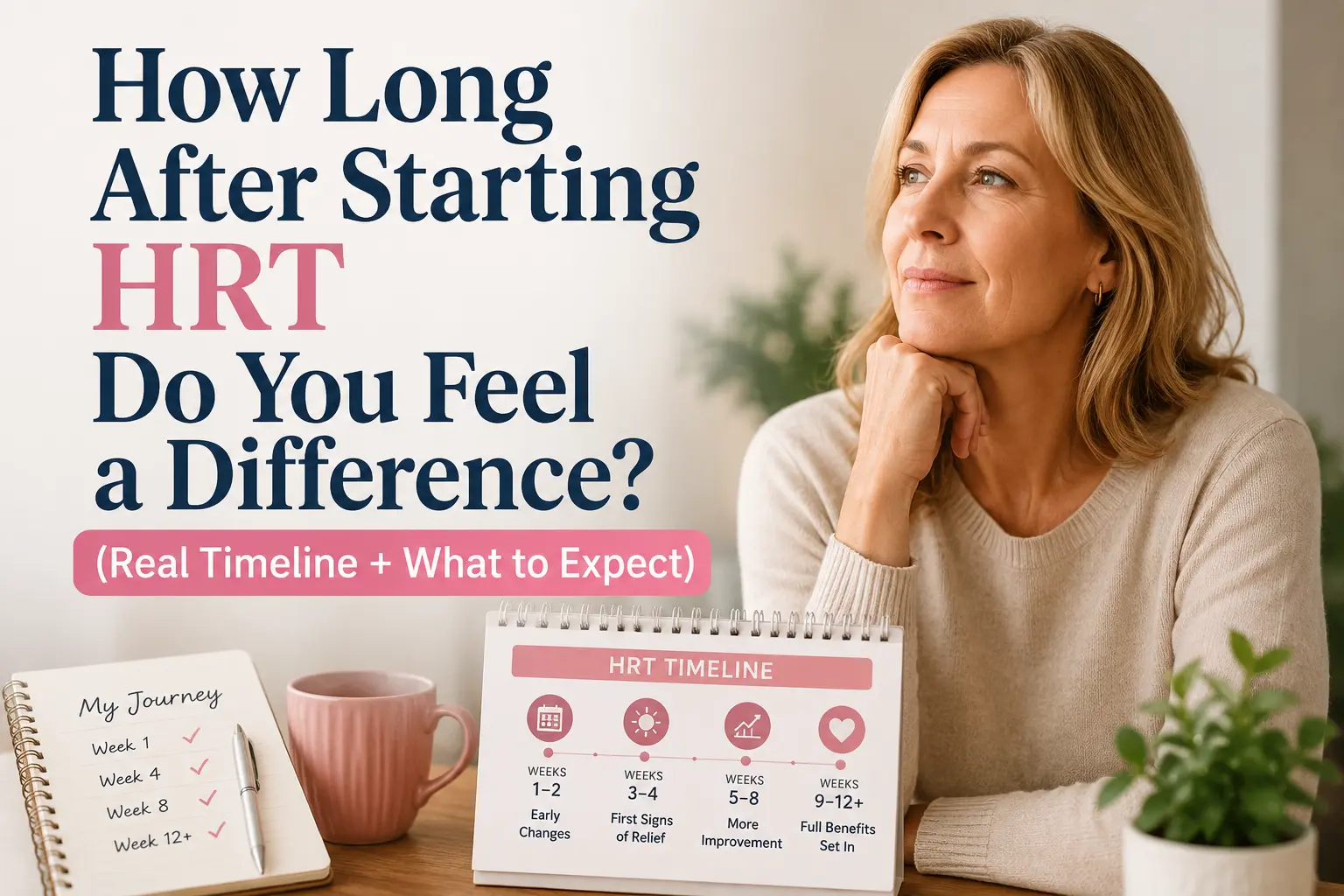
Horizontal featured image of a calm, confident middle-aged woman in soft natural light with a clean background, overlaid text reading “How Long After Starting HRT Do You Feel a Difference? (Real Timeline + What to Expect)”.

Starting hormone replacement therapy (HRT) is a big step and one of the first questions most people have is:

“When will I actually feel better?”

Here’s the honest, straightforward answer:

Most people notice some changes within 2–4 weeks, but it usually takes 8–12 weeks to feel the full benefits.

That said, HRT doesn’t flip a switch overnight.

Some symptoms improve quickly, others take longer, and your experience depends on your body, your hormone levels, and your treatment plan.

Let’s break it down so you know exactly what to expect.


SEE HOW HRT CAN HELP YOU!


How Long Does HRT Take to Work?


HRT works by gradually restoring hormone levels, not instantly correcting them.

A realistic timeline looks like this:

  • Early changes: 2–4 weeks
  • Noticeable improvement: 4–8 weeks
  • Full results: 8–12 weeks (sometimes longer)

If you don’t feel much in the first couple of weeks, that’s normal. 

Your body is still adjusting.


HRT Timeline: Week-by-Week


Let’s take a look at a typical HRT timeline across the weeks after starting:


Weeks 1–2: Subtle Early Changes


This phase is often quiet.

You might notice:

  • Slightly better sleep
  • A small improvement in mood
  • Less intense hot flashes (for some)

Or you may not notice anything yet, and that’s completely normal.


Weeks 3–4: First Signs It’s Working


This is when many people start to feel something shifting.

Common changes:

  • Hot flashes and night sweats begin to decrease
  • Sleep becomes more consistent
  • Mood feels a bit more stable

This is often the point where people think, “Okay, this might be working.”


Weeks 5–8: More Consistent Improvement


Changes become easier to notice and more reliable.

You may experience:

  • Fewer temperature swings
  • More steady energy
  • Improved focus and mental clarity
  • Less anxiety or irritability


Weeks 9–12: Real, Noticeable Difference


This is where HRT starts to feel meaningful in everyday life.

You may notice:

  • Stable mood throughout the day
  • Deeper, more restful sleep
  • Increased libido
  • Reduced joint discomfort


3+ Months: Long-Term Benefits Build


Some benefits take longer, but they continue to improve over time.

These include:

  • Ongoing relief from joint pain
  • Skin and hair changes
  • Support for bone health and metabolism


How Long Each Symptom Takes to Improve


Not all symptoms respond at the same pace.

Here’s what most people experience:

  • Hot flashes & night sweats: 2–4 weeks
  • Sleep issues: 2–6 weeks
  • Mood & anxiety: 4–8 weeks
  • Brain fog & focus: 4–8 weeks
  • Libido: 6–12+ weeks
  • Joint pain: 8–12 weeks

If one symptom improves before another, that’s completely normal.

HRT works in stages.


Why Your Timeline May Be Faster or Slower


No two people respond to HRT the same way.

Here’s why your experience may differ:


Your Starting Hormone Levels


If your hormone levels are very low, it can take longer to rebuild and feel the effects.


Type of HRT


Different forms absorb differently:

  • Patches and creams provide steady hormone levels
  • Pills can take longer to stabilize
  • Pellets release hormones gradually over time


Dosage


If your dose is too low, you may not feel much at first.

Adjustments are common and expected.


Your Body’s Absorption


Everyone metabolizes hormones differently, which affects how quickly you feel results.


Lifestyle Factors


Sleep quality, stress levels, diet, and activity all play a role in how your body responds.


Signs Your HRT Is Working


Early improvements are often subtle, but they matter.

Look for:

  • You’re sleeping better than before
  • Hot flashes are less frequent or intense
  • Your mood feels more stable
  • You have more consistent energy

These small changes usually come before bigger, more noticeable results.


Signs Your HRT May Need Adjustment


It’s very common to adjust HRT in the beginning.

You may need a change if:

  • You feel no improvement after 8–12 weeks
  • Your symptoms are getting worse
  • Side effects don’t go away
  • You still feel off or unbalanced

HRT is not one-size-fits-all.

Fine-tuning is part of the process.


What’s Normal (and What’s Not) in the Beginning


Let’s take a look at what is typically common and uncommon when starting


What’s Normal


  • Gradual improvement, not instant results
  • Mild side effects early on (like slight bloating or breast tenderness)
  • Some symptoms improving faster than others


What’s Not Normal


  • No improvement at all after a few months
  • Symptoms becoming significantly worse
  • Side effects that don’t settle over time

If something doesn’t feel right, it’s worth checking in.


What to Expect in the First 3 Months


The first 90 days are all about finding your balance.

During this time:

This period is less about perfection and more about progress.


When to Talk to a Provider


You don’t need to just wait it out if something feels off.

Reach out if:

  • You’re not seeing progress after a couple of months
  • Your symptoms are still affecting your daily life
  • You’re unsure if your experience is normal

Getting the right adjustments can make a big difference.


How Amari Health Helps You Get Better Results


One of the biggest reasons people don’t see results with HRT is lack of personalization.

At Amari Health, the approach focuses on:

  • Understanding your specific hormone levels
  • Matching treatment to your symptoms
  • Adjusting your plan based on how you actually feel

This kind of tailored care helps you move from guessing to real progress.


CONTACT US


The Bottom Line: How Long After Starting HRT Do You Feel a Difference


Most people feel some improvement within 2–4 weeks, with more noticeable results building over 8–12 weeks.

If it feels slow at first, that’s normal.

Hormone therapy works gradually, but with the right approach, those small changes turn into real, lasting improvements.

The key is patience, consistency, and making adjustments when needed.


SCHEDULE A CONSULTATION


FAQ: How Long After Starting HRT Do You Feel a Difference


How soon after starting HRT will I lose weight?


Weight loss isn’t usually immediate with HRT. Some people notice small changes in the first few weeks, especially with reduced bloating or better energy, but studies show meaningful changes in body composition often take a few months. HRT can support metabolism and make it easier to lose weight, but results depend on diet, activity, and overall health.


What does the first week of HRT feel like?


The first week is often subtle. Some people feel slightly calmer or sleep a bit better, while others notice no difference at all. Mild side effects like bloating or breast tenderness can happen early on, but many people don’t feel noticeable changes until a few weeks in.


Do hot flashes get worse when you first start HRT?


Most people find that hot flashes improve with HRT, but in some cases, symptoms may briefly feel the same or slightly more noticeable during the first couple of weeks as the body adjusts. This usually settles as hormone levels stabilize.


What are the first signs of estrogen working?


Early signs often include better sleep, fewer or less intense hot flashes, and a more stable mood. These changes can be subtle at first but are usually the first indicators that estrogen levels are improving.


Does HRT make you tired when you first start it?


Some people feel slightly tired in the beginning as their body adjusts, while others feel more energized. This usually improves within a few weeks. If fatigue continues, it may be a sign that your dose or timing needs to be adjusted.

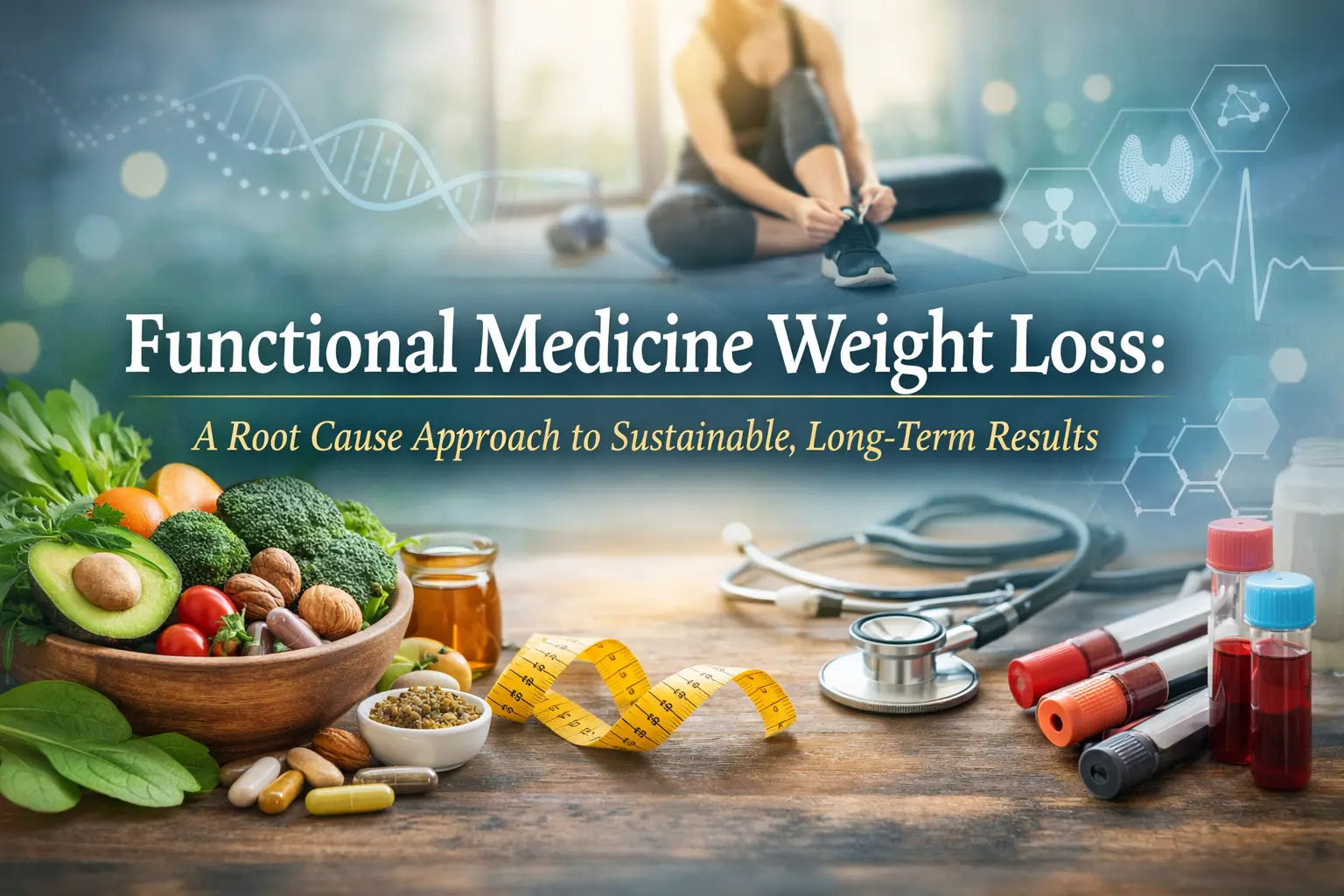
Functional medicine weight loss concept featuring healthy foods, supplements, lab testing tools, measuring tape, and medical symbols representing a root cause approach to sustainable long-term results.

Many people struggling with weight loss feel like they are doing everything right but still not seeing progress.

You may be eating well, exercising consistently, and trying different diets, yet the results don’t last.

Functional medicine weight loss takes a different approach.

Instead of focusing only on calories or short-term dieting strategies, it looks deeper to identify why weight gain or weight loss resistance is happening in the first place.

Functional medicine views weight gain as a symptom of underlying imbalances in the body.

By identifying and addressing root causes such as hormone imbalance, inflammation, gut health issues, insulin resistance, nutrient deficiencies, and metabolic dysfunction, this approach supports sustainable weight loss and overall health improvement.

Rather than forcing the body to lose weight, functional medicine works to help the body function more efficiently so weight loss can happen naturally.


SEE HOW FUNCTIONAL MEDICINE CAN HELP YOU


What Is Functional Medicine Weight Loss?


Functional medicine weight loss is a personalized, whole-body approach that focuses on improving metabolic health.

Instead of using a one-size-fits-all diet plan, functional medicine evaluates the biological, lifestyle, and environmental factors that influence weight.

This approach recognizes that weight gain is often influenced by multiple interconnected factors, including:

  • hormone imbalances
  • insulin resistance
  • thyroid dysfunction
  • gut microbiome imbalance
  • chronic inflammation
  • stress and cortisol dysregulation
  • poor sleep quality
  • nutrient deficiencies
  • genetics
  • lifestyle habits

Functional medicine practitioners use detailed health histories, advanced lab testing, and individualized treatment plans to address these contributors.

The goal is not only weight loss, but also improved energy, stable blood sugar, balanced hormones, improved digestion, and long-term metabolic health.


Why Traditional Weight Loss Methods Often Fall Short


Many traditional weight loss programs focus primarily on calorie restriction or increased exercise.

While these approaches may lead to short-term results, they often do not address the biological factors that influence metabolism.

Common reasons traditional dieting approaches may not lead to lasting results include:


Metabolic adaptation


When calorie intake is significantly reduced, the body may respond by slowing metabolic rate to conserve energy.

This adaptation can make continued weight loss more difficult over time.


Hormonal disruption


Hormones regulate appetite, fat storage, metabolism, and energy levels.

When hormones are not balanced, the body may resist losing weight.


Blood sugar instability


Frequent spikes and drops in blood sugar may increase cravings and hunger, making consistency more difficult.


Chronic inflammation


Inflammation can interfere with insulin signaling and metabolic efficiency.


Elevated cortisol levels


Chronic stress can increase cortisol, which may contribute to abdominal fat accumulation and increased appetite.


Gut health imbalances


The gut microbiome influences digestion, immune health, inflammation levels, and metabolism.

Functional medicine weight loss aims to address these underlying contributors so the body is better able to regulate weight naturally.


How Functional Medicine Identifies Root Causes of Weight Gain


Functional medicine looks at the body as an interconnected system.

Identifying root causes allows for more targeted and personalized treatment strategies.


Hormone Imbalance and Weight Gain


Hormones play a significant role in metabolism, fat storage, and appetite regulation.

Hormones commonly evaluated include:

  • thyroid hormones that regulate metabolic rate
  • insulin, which influences blood sugar control and fat storage
  • cortisol, the primary stress hormone
  • estrogen and progesterone, which influence fat distribution
  • testosterone, which affects muscle mass and metabolic function
  • leptin and ghrelin, which regulate hunger and fullness signals

Even subtle hormone imbalances may affect weight regulation.


Insulin Resistance and Blood Sugar Dysregulation


Insulin resistance is one of the most common underlying contributors to weight gain and difficulty losing weight.

When insulin levels remain elevated, the body is more likely to store fat rather than use fat for energy.

Common signs of insulin resistance include:

  • difficulty losing weight
  • increased abdominal fat
  • sugar cravings
  • fatigue after meals
  • increased hunger shortly after eating
  • elevated fasting glucose levels

Improving insulin sensitivity may support metabolic flexibility and more efficient fat metabolism.


Gut Health and the Microbiome


The gut microbiome plays an important role in digestion, inflammation balance, immune function, and metabolic activity.

Gut health imbalances that may affect weight include:

  • microbial imbalance
  • digestive discomfort
  • increased intestinal permeability
  • poor nutrient absorption
  • food sensitivities
  • chronic bloating

Improving gut health may support improved metabolic function and reduced inflammation.


Chronic Inflammation and Metabolic Function


Inflammation can interfere with hormone signaling and insulin sensitivity.

Common contributors to chronic inflammation include:

  • highly processed foods
  • food sensitivities
  • environmental exposures
  • chronic stress
  • poor gut health
  • lack of restorative sleep

Reducing inflammation may help improve metabolic efficiency and energy regulation.


Stress, Sleep, and Cortisol Balance


Sleep and stress management are often overlooked factors in weight regulation.

Elevated cortisol levels may:

  • increase fat storage
  • increase appetite
  • disrupt blood sugar balance
  • reduce metabolic efficiency
  • interfere with hormone balance

Improving sleep quality and stress resilience supports overall metabolic health.


Functional Medicine Testing for Weight Loss


Functional medicine may use advanced testing to better understand the biological factors affecting metabolism.

Testing may include:

  • comprehensive metabolic panels
  • thyroid function testing beyond standard screening markers
  • fasting insulin levels
  • hemoglobin A1C
  • inflammatory markers
  • cortisol rhythm testing
  • sex hormone panels
  • micronutrient testing
  • gut microbiome testing
  • metabolic markers related to insulin sensitivity

These insights help guide personalized treatment strategies.


What a Functional Medicine Weight Loss Plan May Include


Functional medicine weight loss programs are individualized based on each person’s health history, symptoms, lifestyle, and lab findings.


Personalized Nutrition Strategy


Nutrition plans are designed to support stable blood sugar, reduce inflammation, and support metabolic health.

Plans often focus on:

  • nutrient-dense whole foods
  • adequate protein intake
  • healthy fats that support hormone production
  • fiber-rich carbohydrates
  • blood sugar stability
  • identifying potential food sensitivities
  • reducing ultra-processed foods

The goal is to create sustainable dietary habits that support long-term health.


Lifestyle Optimization


Daily habits play an important role in metabolic health.

Lifestyle strategies may include:

  • improving sleep consistency and quality
  • supporting stress resilience
  • optimizing movement and physical activity
  • improving recovery and energy balance
  • creating sustainable routines

Small lifestyle improvements can support significant metabolic changes over time.


Gut Health Support


Supporting gut health may include:

  • dietary adjustments
  • microbiome support strategies
  • digestive support protocols
  • reducing gut inflammation
  • improving nutrient absorption

Gut health improvements may influence metabolic function and overall well-being.


Hormone Optimization


When clinically appropriate, addressing hormone imbalances may support metabolic health.

Balanced hormones may help support:

  • energy levels
  • muscle maintenance
  • fat metabolism
  • appetite regulation
  • metabolic efficiency


Targeted Supplementation


Supplement strategies are typically based on individual lab findings and health needs.

Targeted supplementation may support:

  • metabolic function
  • insulin sensitivity
  • inflammation balance
  • micronutrient status
  • digestive health


Benefits of Functional Medicine for Weight Loss


Functional medicine weight loss focuses on improving health in a sustainable and comprehensive way.

Potential benefits include:

  • sustainable fat loss
  • improved metabolic efficiency
  • increased energy levels
  • improved blood sugar regulation
  • reduced inflammation
  • improved digestion
  • improved hormone balance
  • reduced cravings
  • improved mental clarity
  • improved long-term weight maintenance
  • improved metabolic flexibility

By addressing underlying imbalances, the body may respond more effectively to lifestyle changes.


Who Is a Good Candidate for Functional Medicine Weight Loss?


Functional medicine weight loss may be beneficial for individuals who:

  • struggle to lose weight despite consistent diet and exercise
  • regain weight after dieting
  • experience persistent fatigue
  • suspect hormone imbalance
  • have thyroid dysfunction
  • have insulin resistance
  • experience menopause-related weight changes
  • have PCOS
  • experience chronic inflammation
  • have digestive symptoms
  • want a personalized weight loss strategy
  • want sustainable results rather than short-term weight loss


Functional Medicine vs Traditional Weight Loss Approaches


Traditional weight loss approaches often focus primarily on calorie restriction and generalized diet plans.

Functional medicine takes a more comprehensive approach that considers:

  • metabolic health
  • hormone balance
  • blood sugar regulation
  • gut microbiome health
  • inflammation levels
  • nutrient status
  • lifestyle habits
  • stress physiology
  • sleep quality

By addressing these interconnected factors, functional medicine aims to create a foundation for long-term weight management.


What the Functional Medicine Weight Loss Process May Look Like


While every plan is personalized, many individuals follow a structured process:

  • Initial health assessment: A detailed review of symptoms, health history, lifestyle habits, and goals helps identify potential contributing factors.
  • Advanced lab testing: Testing helps identify metabolic, hormonal, or inflammatory imbalances that may influence weight.
  • Personalized care plan: A customized plan may include nutrition strategies, lifestyle adjustments, gut health support, metabolic support, and other targeted therapies.
  • Ongoing adjustments: Care plans are adjusted over time based on progress and individual response.
  • Long-term metabolic support: The focus remains on maintaining results and supporting long-term health.


How Long Does Functional Medicine Weight Loss Take?


Weight loss timelines vary depending on underlying health factors and metabolic function.

Some individuals may notice improvements in:

  • energy levels
  • appetite regulation
  • digestion
  • cravings
  • mental clarity

within the first several weeks.

Because functional medicine focuses on improving metabolic function, progress is typically gradual and sustainable rather than rapid and temporary.

Long-term success often involves improving metabolic flexibility and supporting consistent lifestyle habits.


Why a Personalized Approach Supports Long-Term Success


Each individual has a unique metabolic profile influenced by genetics, lifestyle, medical history, and environmental factors.

Personalized care allows treatment plans to be tailored to:

  • individual symptoms
  • lab findings
  • lifestyle habits
  • health goals
  • metabolic needs

This individualized approach may support long-term adherence and improved health outcomes.


CONTACT US


Functional Medicine Weight Loss at Amari Health


Amari Health provides a comprehensive approach to weight loss that focuses on identifying and addressing underlying factors that influence metabolism.

Care plans are designed to support:

  • metabolic balance
  • hormone health
  • digestive health
  • inflammation reduction
  • blood sugar stability
  • sustainable lifestyle habits

By addressing root causes of weight gain, functional medicine provides a pathway toward long-term wellness and metabolic health.

The goal is to help patients improve overall health while working toward a healthy and maintainable weight.


SCHEDULE A CONSULTATION


FAQs: Functional Medicine Weight Loss


Does functional medicine help with weight loss?


Functional medicine may support weight loss by identifying underlying contributors such as hormone imbalance, inflammation, gut health dysfunction, and blood sugar dysregulation. Addressing these factors may improve metabolic function and support sustainable results.


What is a functional medicine approach to obesity?


A functional medicine approach to obesity focuses on identifying biological and lifestyle factors that contribute to weight gain. Treatment plans often include personalized nutrition strategies, metabolic support, lifestyle optimization, and hormone balance support.


Can functional medicine help with hormonal weight gain?


Hormonal imbalances can influence metabolism, appetite, and fat storage. Functional medicine evaluates hormone function and creates individualized plans to support balance and metabolic health.


Can functional medicine help with insulin resistance?


Functional medicine often addresses insulin resistance through personalized nutrition, lifestyle strategies, and metabolic support approaches designed to improve insulin sensitivity.


How is functional medicine different from dieting?


Traditional dieting often focuses only on calorie intake. Functional medicine focuses on identifying underlying factors that influence weight gain, such as hormone imbalance, inflammation, gut health issues, and metabolic dysfunction.


Can functional medicine help with menopause weight gain?


Hormonal changes during menopause may influence metabolism and fat distribution. Functional medicine may help identify contributing factors and create personalized strategies to support metabolic health.


Is functional medicine weight loss sustainable?


Functional medicine focuses on improving metabolic health and supporting long-term lifestyle changes. By addressing root causes of weight gain, this approach may support sustainable weight management over time.

Functional medicine doctor reviewing patient notes with healthy foods, supplements, and lab testing equipment, with text overlay “What Does a Functional Medicine Doctor Do?”

A functional medicine doctor identifies and treats the root causes of health concerns by evaluating how lifestyle, nutrition, hormones, genetics, environment, and daily habits influence overall health.

Instead of only managing symptoms, functional medicine focuses on improving how body systems function together to support long-term wellness.

Functional medicine doctors aim to understand why symptoms occur, not just what diagnosis matches them.

This approach often looks at how digestion, hormone balance, immune function, metabolism, and stress responses interact.

Many people seek functional medicine when they experience ongoing symptoms such as fatigue, hormone imbalance, digestive issues, inflammation, or other health changes that have not fully improved with conventional treatment alone.


SEE HOW FUNCTIONAL MEDICINE CAN HELP YOU


What Is Functional Medicine?


Functional medicine is a patient-centered approach that focuses on identifying underlying imbalances contributing to symptoms.

It considers the whole person rather than focusing on a single symptom or diagnosis.

Instead of treating symptoms in isolation, functional medicine evaluates how different systems in the body influence each other.

For example:

A conventional approach may treat headaches with medication.

A functional medicine approach may explore possible contributing factors such as:

  • hormone fluctuations
  • nutrient deficiencies
  • chronic stress
  • inflammation
  • gut health imbalance
  • poor sleep patterns
  • blood sugar changes

Functional medicine is often referred to as root-cause medicine because it seeks to identify deeper contributors to health concerns.


How Does Functional Medicine Work?


Functional medicine works by analyzing patterns in the body rather than focusing on a single symptom.

Practitioners evaluate how key systems interact, including:

  • digestive system
  • hormone system
  • immune system
  • nervous system
  • metabolic system

These systems are interconnected.

When one area becomes imbalanced, other systems may also be affected.

For example, chronic stress may influence hormone balance, sleep quality, digestion, and inflammation levels.

By identifying these connections, functional medicine doctors create personalized care plans designed to support overall health improvement.


What Does a Functional Medicine Doctor Do? (Step-by-Step)


Although each practitioner may have a slightly different approach, most functional medicine doctors follow a structured process.


1. Review Your Complete Health History


Functional medicine appointments often involve a more detailed review of your health history than a standard medical visit.

Discussion topics may include:

  • previous medical conditions
  • family health history
  • diet patterns
  • sleep quality
  • stress levels
  • lifestyle habits
  • environmental exposures
  • medications and supplements
  • timeline of symptoms

Understanding patterns over time can help identify possible contributing factors.


2. Identify Possible Root Causes


Functional medicine focuses on identifying underlying factors that may influence symptoms.

Common contributors may include:

  • chronic inflammation
  • hormone imbalance
  • gut microbiome imbalance
  • nutrient deficiencies
  • blood sugar dysregulation
  • immune system dysfunction
  • chronic stress response
  • environmental exposures

Addressing these factors may support improvements across multiple symptoms.


3. Use Specialty or Advanced Testing


Functional medicine doctors may recommend testing to better understand how the body is functioning.

Testing may include:

  • hormone levels
  • thyroid markers
  • vitamin and mineral levels
  • gut health markers
  • inflammation markers
  • metabolic markers
  • food sensitivity testing

These results help guide personalized recommendations.


4. Create a Personalized Treatment Plan


Treatment plans are tailored to each individual’s symptoms, goals, and health history.

Recommendations may include:

  • nutrition adjustments
  • lifestyle changes
  • targeted supplementation
  • stress management strategies
  • sleep optimization
  • physical activity guidance

Plans are typically designed to be practical and sustainable.


5. Monitor Progress Over Time


Functional medicine focuses on gradual, long-term health improvements.

Doctors often monitor progress and adjust recommendations based on how symptoms change over time.

This ongoing process allows care plans to evolve as health improves.


Examples of Functional Medicine in Practice


Functional medicine often looks at how multiple factors may influence symptoms.

  • Example 1: A person experiencing fatigue may have contributing factors such as nutrient deficiencies, poor sleep quality, or blood sugar imbalance.
  • Example 2: Digestive symptoms such as bloating may be linked to gut microbiome imbalance, food sensitivities, or stress response.
  • Example 3: Hormone symptoms such as mood changes or irregular cycles may be influenced by stress levels, inflammation, or metabolic health.

These examples illustrate how functional medicine focuses on identifying connections between symptoms and underlying imbalances.


What Conditions Do Functional Medicine Doctors Treat?


Functional medicine is commonly used to support chronic symptoms, ongoing health concerns, and preventative care.


Hormone Imbalance


  • menopause symptoms
  • low testosterone
  • thyroid imbalance
  • adrenal imbalance
  • irregular menstrual cycles
  • PCOS symptoms


Digestive Health Concerns


  • bloating
  • constipation
  • diarrhea
  • IBS symptoms
  • food sensitivities
  • gut microbiome imbalance
  • acid reflux


Chronic Fatigue and Brain Fog


  • persistent tiredness
  • low energy
  • poor stress recovery
  • mental fog


Autoimmune Conditions


  • Hashimoto’s thyroiditis
  • rheumatoid arthritis
  • inflammatory immune responses


Metabolic Health Concerns


  • weight changes
  • insulin resistance
  • blood sugar imbalance
  • metabolic syndrome


Inflammation-Related Symptoms


  • joint discomfort
  • headaches
  • skin concerns
  • immune imbalance
  • Migraines


Sleep and Stress-Related Concerns


  • difficulty sleeping
  • chronic stress response
  • nervous system imbalance

Functional medicine may also be used for general wellness and prevention.


How Functional Medicine Is Different From Conventional Medicine


Functional medicine and conventional medicine serve different roles in healthcare.

Functional medicine often complements traditional care by providing a broader view of long-term health patterns.

Conventional Medicine Functional Medicine
Focuses on diagnosis Focuses on root causes
Often symptom-based Systems-based approach
Shorter appointments Longer, more detailed visits
Standardized treatment protocols Personalized care plans
Medication-focused Lifestyle-focused support
Reactive care Preventative approach

Both approaches can be valuable depending on individual health needs.


What Happens During a Functional Medicine Appointment?


The first appointment is often more in-depth than a standard visit.

Topics discussed may include:

  • health history
  • diet habits
  • stress levels
  • sleep patterns
  • lifestyle habits
  • activity level
  • symptom timeline
  • personal health goals

Some practitioners ask patients to complete questionnaires beforehand.

Follow-up visits typically review progress and adjust recommendations.


Common Treatments Used in Functional Medicine


Functional medicine plans often combine multiple strategies to support health improvement.


Nutrition Support


Nutrition plays an important role in overall health.

Recommendations may focus on:

  • whole foods
  • balanced blood sugar
  • reducing highly processed foods
  • supporting gut health
  • identifying food sensitivities


Lifestyle Adjustments


Daily habits can influence inflammation, hormones, and metabolism.

Recommendations may include:

  • improving sleep routines
  • stress management techniques
  • consistent physical activity
  • reducing environmental exposures


Targeted Supplements


Supplements may be recommended to support nutrient balance or specific body systems.

Examples include:

  • vitamins
  • minerals
  • omega-3 fatty acids
  • probiotics
  • digestive support nutrients

Recommendations are individualized.


Stress and Nervous System Support


Chronic stress can affect digestion, hormones, sleep, and immune function.

Functional medicine often includes strategies to support nervous system balance.

Examples include:

  • mindfulness practices
  • breathing techniques
  • relaxation strategies
  • recovery support


Benefits of Functional Medicine


Potential benefits may include:

  • personalized care
  • deeper understanding of health patterns
  • focus on long-term improvement
  • preventative health support
  • whole-body perspective
  • collaborative care approach

Many individuals appreciate having more time to discuss their symptoms and goals.


Functional Medicine vs Integrative Medicine vs Holistic Medicine


These terms are sometimes used interchangeably, but they have slightly different meanings.


Functional Medicine


Focuses on identifying root causes of symptoms by evaluating body systems and health patterns.


Integrative Medicine


Combines conventional treatments with complementary approaches.


Holistic Medicine


Considers physical, emotional, and lifestyle factors when evaluating health.

All approaches emphasize individualized care.


Who Should See a Functional Medicine Doctor?


Functional medicine may be helpful for individuals who:

  • experience ongoing symptoms without clear answers
  • want a personalized health plan
  • prefer a preventative approach
  • want to better understand contributing factors to symptoms
  • are interested in lifestyle-based care
  • want support for hormone balance or digestive health
  • feel their symptoms may be interconnected

Some individuals seek functional medicine for a more comprehensive understanding of their health.


CONTACT US


Is Functional Medicine Worth It?


Whether functional medicine is worthwhile depends on individual preferences and health goals.

Some individuals value this approach because it:

  • explores possible root causes of symptoms
  • emphasizes long-term health improvement
  • supports prevention strategies
  • focuses on lifestyle factors
  • encourages collaboration between doctor and patient

Functional medicine may be used alongside conventional healthcare depending on individual needs.


How Functional Medicine Supports Long-Term Health


Functional medicine emphasizes improving how body systems function together over time.

By addressing lifestyle habits, nutrition, stress response, and environmental influences, this approach aims to support long-term wellness.

Small, sustainable changes often play an important role in overall health outcomes.

Understanding patterns in the body can help guide more personalized health decisions.


Conclusion: What Does a Functional Medicine Doctor Do


Functional medicine doctors focus on understanding the underlying factors that influence health rather than only managing symptoms.

By evaluating lifestyle habits, nutrition, environment, genetics, and body systems, functional medicine aims to create personalized care plans designed to support long-term wellness.

For individuals looking for a more comprehensive and proactive approach to health, functional medicine can provide additional insight into how different aspects of health are connected.

Identifying potential root causes of symptoms can often be an important step toward improving overall wellbeing.


SCHEDULE A CONSULTATION


FAQ: What Does a Functional Medicine Doctor Do


Why would someone see a functional medicine doctor?


Someone may see a functional medicine doctor when they want a more personalized approach to their health or when symptoms continue despite standard treatment. Functional medicine focuses on identifying underlying factors that may contribute to symptoms such as hormone imbalance, digestive issues, fatigue, inflammation, or metabolic concerns. Many individuals choose this approach to better understand how lifestyle, nutrition, stress, and environment may influence their health.


What are the pros and cons of functional medicine doctors?


One potential benefit of functional medicine is its personalized approach, which often includes longer appointments and a focus on lifestyle factors that influence health. Patients may appreciate the emphasis on prevention and understanding root causes. Possible drawbacks may include limited insurance coverage for certain services, variability in practitioner training, and the need for ongoing lifestyle changes that require commitment. Individual experiences can vary depending on the provider and health goals.


Can functional medicine diagnose?


Functional medicine practitioners can assess symptoms, review medical history, and use laboratory testing to evaluate potential imbalances in the body. Licensed healthcare providers practicing functional medicine may diagnose certain conditions within their scope of practice. Functional medicine often works alongside conventional healthcare when diagnosis or treatment requires additional medical evaluation.


Which is better, integrative or functional medicine?


Integrative medicine and functional medicine both consider the whole person when evaluating health. Integrative medicine combines conventional treatments with complementary therapies, while functional medicine focuses specifically on identifying root causes of symptoms by analyzing body systems and lifestyle factors. The best approach depends on individual preferences, health goals, and the type of care being sought.


What is the purpose of a functional medicine doctor?


The purpose of a functional medicine doctor is to identify factors that may contribute to symptoms and develop personalized care plans that support overall health. By evaluating nutrition, lifestyle habits, stress levels, environment, and body system interactions, functional medicine aims to improve long-term wellness and help individuals better understand their health patterns.

Watch Our Workshop Video

Fill out the form below to get instant access to our full workshop video. Discover valuable insights and strategies that you can start applying right away!

Name(Required)

Is Bio-Identical HRT Safe for Women?

Concerns around hormone therapy largely stem from the Women’s Health Initiative (WHI) study conducted over two decades ago. However, it’s important to note that the WHI studied synthetic, non-human hormones—specifically horse-derived hormones which were later shown to have harmful effects.

Since then, a growing body of research on bio-identical hormones—which are structurally identical to those naturally produced by the human body—has found no increased risk of chronic disease. These safer, plant-derived hormones have become a trusted, evidence-based option for women seeking to restore balance and relieve symptoms.